


An Iron Age burial cairn in northern Scotland is shedding light on ancient mortuary customs after researchers found signs that a woman's brain may have been removed sometime after her death more than 2,000 years ago.
What happened?
At Loch Borralie in Sutherland, scientists studied human remains recovered from a low stone cairn, identifying one adult woman and one young boy, according to Greek Reporter.
The findings were published in the journal Antiquity.
Well-preserved Iron Age remains are rare in Britain. In many regions, soil conditions gradually destroy bones, but in northwestern Scotland, preservation can be strong enough for modern scientific analysis.
Dr. Laura Castells Navarro, lead author of the study and a researcher at the University of York, said, "We knew that in the north-west of Scotland, including the Northern and Western Isles, the circulation and deposition of human remains were particularly prominent," per Greek reporter.
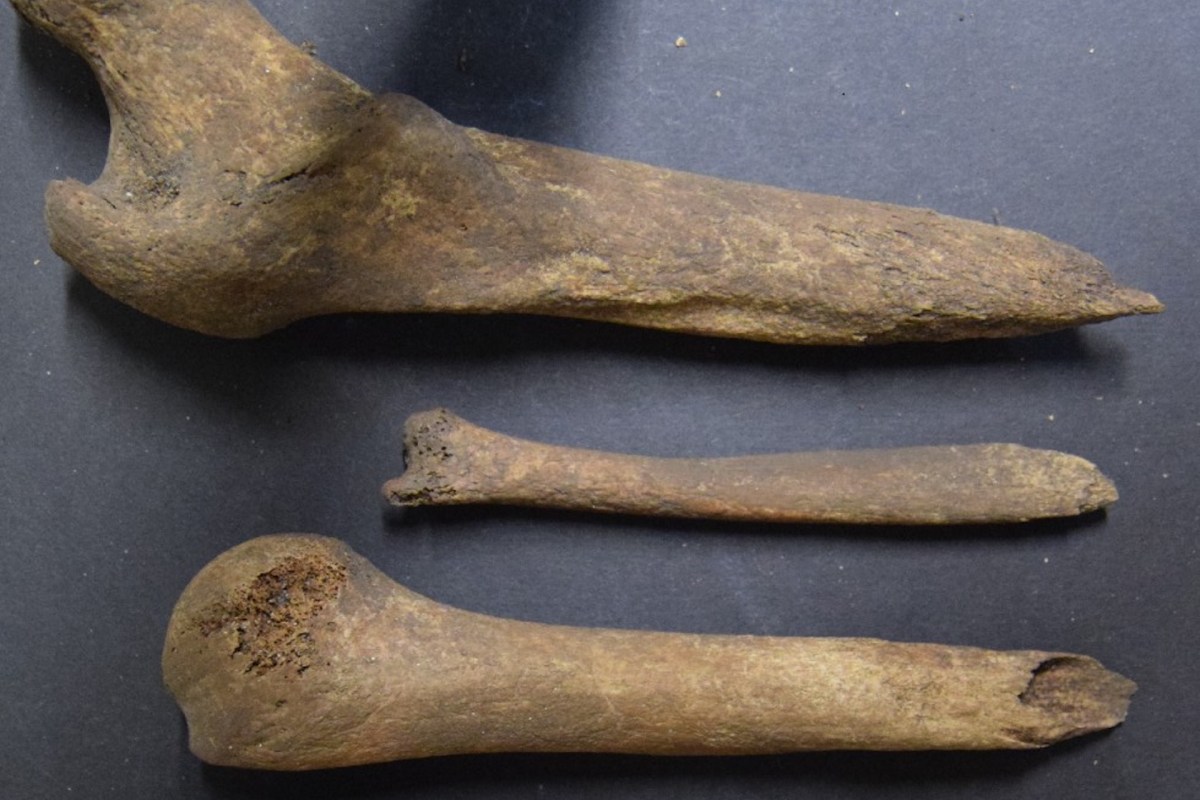
Inside the woman's skull, the team identified delicate cut marks. They also found that a number of long bones from her arm and thigh had been modified so the ends taper to points.
TCD Picks » Quince Spotlight
💡These best-sellers from Quince deliver affordable, sustainable luxury for all




Based on those alterations, the researchers argue that her brain was removed after death and that some of her bones were intentionally carved before she was buried.
Why does it matter?
The burial adds to the evidence on funerary traditions that remain poorly understood.
While archaeologists can often determine where people lived or what they ate, direct evidence of how bodies were treated after death is much harder to find, especially from this period.
In this case, the way the woman's remains were handled suggests the burial may have been more than a simple act of disposal.
Researchers think the care taken with her body could point to ritual, status, or an ongoing relationship between the living and the dead.
The study also adds to what is known about movement in prehistoric Scotland.
Tests of isotopes indicate that both individuals probably grew up about 80 kilometers southeast of Loch Borralie.
Ancient DNA also connected them to populations in Orkney, around 175 kilometers away, and in Applecross, roughly 225 kilometers to the southwest.
Genetic analysis indicated the pair were relatives, with the most likely relationship being maternal second cousins.
Together, those results point to long-range links among Iron Age groups living along Scotland's northern coast and islands.
What's being done?
Scientists are using a combination of osteological analysis, isotope testing, and ancient DNA research to better understand how these communities lived, traveled, and buried their dead.
This interdisciplinary work is helping build a clearer picture of prehistoric life.
In places where bones survive, even small details such as cut marks or chemical traces in teeth can reveal family ties, travel patterns, and cultural traditions that might otherwise be lost.
Discoveries like this often depend on remains that have been carefully preserved for years before technology advances enough for them to be properly studied.
As more sites in Scotland are analyzed using modern techniques, researchers may be able to determine whether this woman's burial was unusual or part of a broader Iron Age tradition.
Castells Navarro said the woman's burial "possibly suggests she commanded a level of reverence and respect by her community."
She also said, "This movement allowed for the spread and maintenance of cultural practices and traditions."

Get TCD's free newsletters for easy tips, smart advice, and a chance to earn $5,000 toward home upgrades. To see more stories like this one, change your Google preferences here.






