


Near Rome, work at Hadrian's Villa has brought to light a buried room that may force historians to push the site's earliest phase further back.
Researchers think the chamber could predate every other known building element at the estate, according to Archaeology Magazine.
What happened?
The find was made in Tivoli, Italy, in the Palazzo area of Hadrian's Villa during the excavation season that ran from April to May.
Pablo de Olavide University's archaeology seminar led the project with the Institute of Hadrian's Villa and Villa d'Este.
This year's excavations exposed a hypogeum, or underground chamber, below one of the Palazzo's peristyles.
The structure was found in a residential zone later incorporated into Emperor Hadrian's sweeping second-century building program. The team has been researching the UNESCO World Heritage site since 2003 under professor Rafael Hidalgo.
TCD Picks » Quince Spotlight
💡These best-sellers from Quince deliver affordable, sustainable luxury for all




Evidence suggests the chamber belongs to the Republican era, from before Hadrian remade the property into one of the Roman world's grandest residences.
Archaeologists suspect it was first used for storage, perhaps as a silo, before being abandoned and partly filled with pottery and construction debris.
Excavators recovered ceramic material that included architectural terra cottas ornamented with animal figures.
The finds matter in part because they come from the only archaeological context at Hadrian's Villa that has so far been securely identified as Republican-era.
Why does it matter?
Discoveries such as this help archaeologists understand how famous landmarks developed over time.
In this case, the buried chamber adds weight to the idea that a villa occupied the landscape before the imperial complex took shape.
Sites such as Hadrian's Villa support tourism; economies; and public understanding of how ancient societies planned homes, managed land, and reused older structures instead of building entirely from scratch.
The discovery also shows how much can remain hidden beneath well-known heritage sites.
Even places that have been studied for decades can still reveal evidence that changes the historical record, one reason preservation funding remains important.
What's being done?
The team's work extended beyond the underground chamber. Archaeologists also continued studying the gardens connected to the Palazzo, giving them a clearer picture of how these landscaped spaces were arranged and maintained.
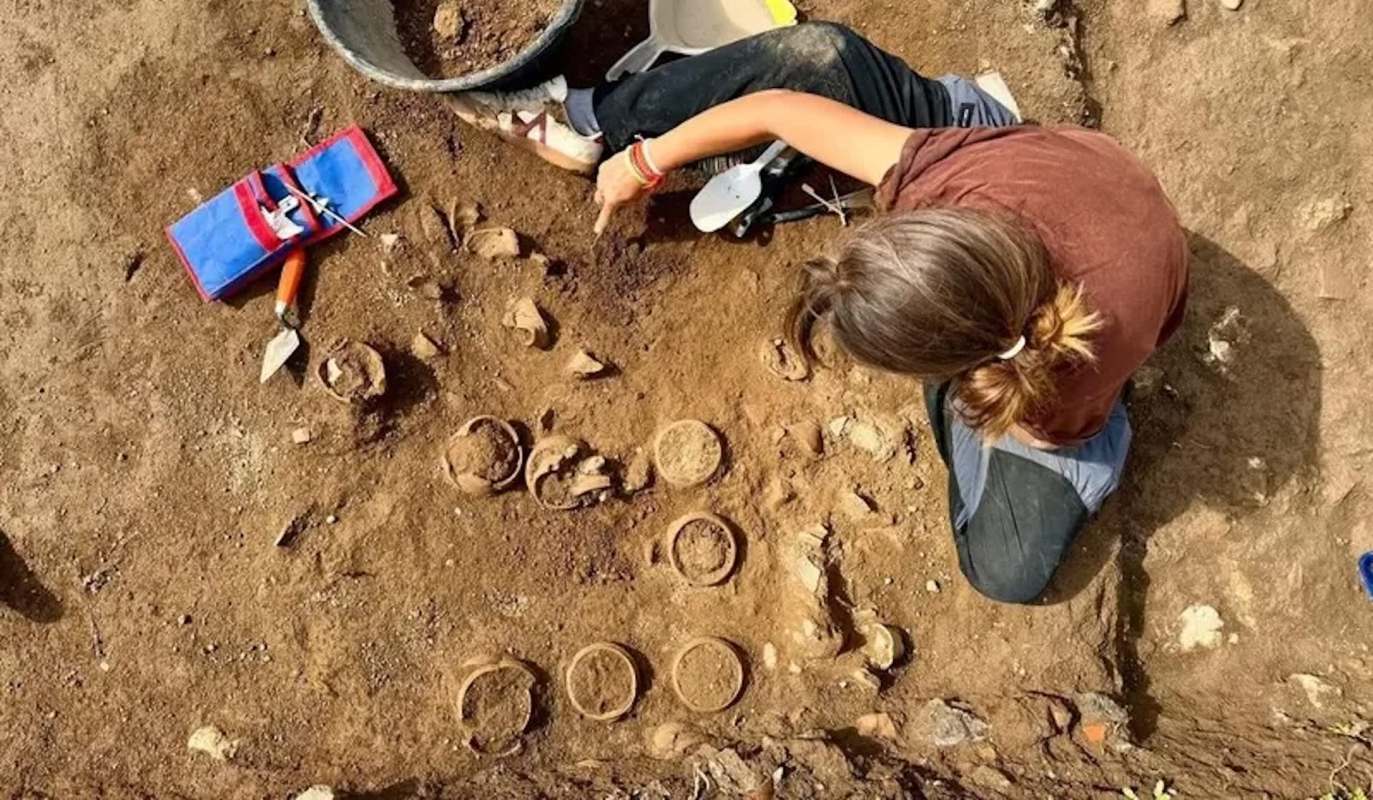
In one peristyle courtyard, the team confirmed that dense rows of ceramic pots formed a flowerbed border around the garden's edge.
Researchers believe the setup allowed fading blooms to be replaced more easily, helping the display stay colorful as the seasons changed.
They also identified regularly spaced planting pits for trees and shrubs, evidence of a deliberately designed landscape that integrated vegetation with architecture.
The new evidence adds to earlier finds from the same area, including a remarkable group of intact ceramic flowerpots.
Continued analysis of the newly recovered artifacts should help clarify the chamber's date, purpose, and role in the villa's long history.
As analysis continues, the chamber and garden finds offer a rare look at what stood on the site before Hadrian's expansion.
Together, they deepen the story of how one of Rome's most celebrated estates was built, adapted, and carefully maintained.

Get TCD's free newsletters for easy tips, smart advice, and a chance to earn $5,000 toward home upgrades. To see more stories like this one, change your Google preferences here.






