


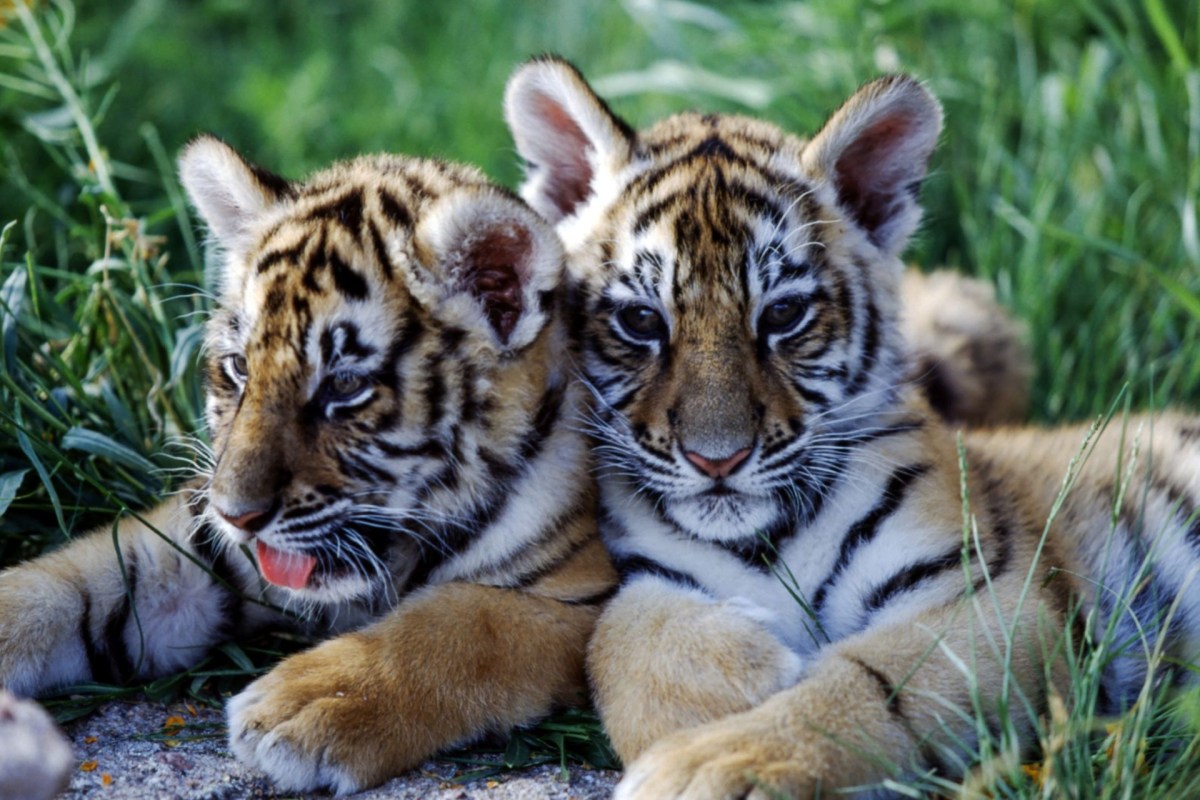
A behind-the-scenes clip from BBC Earth (@bbcearth) is giving viewers a rare glimpse of tiger behavior that even seasoned wildlife experts did not expect to see.
Dan O'Neill pointed to one sequence that appears to show a tigress crossing a river with five cubs, including three that were not her own — behavior he described as cub-sharing.
What happened?
Speaking in an Instagram post, wildlife biologist, broadcaster, and filmmaker Dan O'Neill said viewers were seeing "really intimate social behaviors" that people on the ground would be unlikely to witness.
He said the biggest surprise came from footage of two neighboring female tigers, both of whom had cubs.
According to O'Neill, one mother seemed to leave her young with the other tigress, which then appeared at ease caring for the full group and "crossing a river with five cubs in tow, three of which are not her own."
As O'Neill put it, "tigers are solitary animals."
TCD Picks » Quince Spotlight
💡These best-sellers from Quince deliver affordable, sustainable luxury for all




He added, "That's effectively cub-sharing."
He said scenes like this are hard to document because tigers "live in dense undergrowth" and have "evolved to hide," which makes camera traps too limited to capture such detailed behavior.
Instead, the team used long-lens drones from far enough away that "the cat can't even hear the drone."
Why does it matter?
Rare footage like this could help scientists better understand how endangered animals actually live when humans are not around.
If tiger mothers sometimes cooperate more than expected, that could influence how researchers think about territory, cub survival, and the kinds of habitats that need protection.
That knowledge could also benefit nearby communities. Better wildlife monitoring can support smarter conservation plans, reduce unnecessary disturbance, and improve efforts to prevent human-wildlife conflict.
Protecting tiger habitat also helps preserve forests that store carbon, support biodiversity, and safeguard water resources that people depend on.
Using drones to observe animals from a distance can provide conservation teams with better information without entering fragile habitats.
In a warming world where biodiversity is under pressure, tools like that can help drive more effective protection for species and ecosystems alike.
What are people saying?
O'Neill said these are "cub-rearing behaviors that nobody will ever be able to see without doing it from the sky because they do those behaviors and they exhibit those behaviors when nothing else is seeing them."
One person joked, "Inflation so bad now even tigers are living in joint family," then added, "this is amazing capture by this team. There living like a lion family. Wow!"
Another viewer connected the behavior to other animals, writing: "I have also seen this behavior of 'creching' with Nguni cattle. One cow from the herd will stay behind and watch over all the calves, while the herd treks to the watering hole and back."

Get TCD's free newsletters for easy tips, smart advice, and a chance to earn $5,000 toward home upgrades. To see more stories like this one, change your Google preferences here.







