


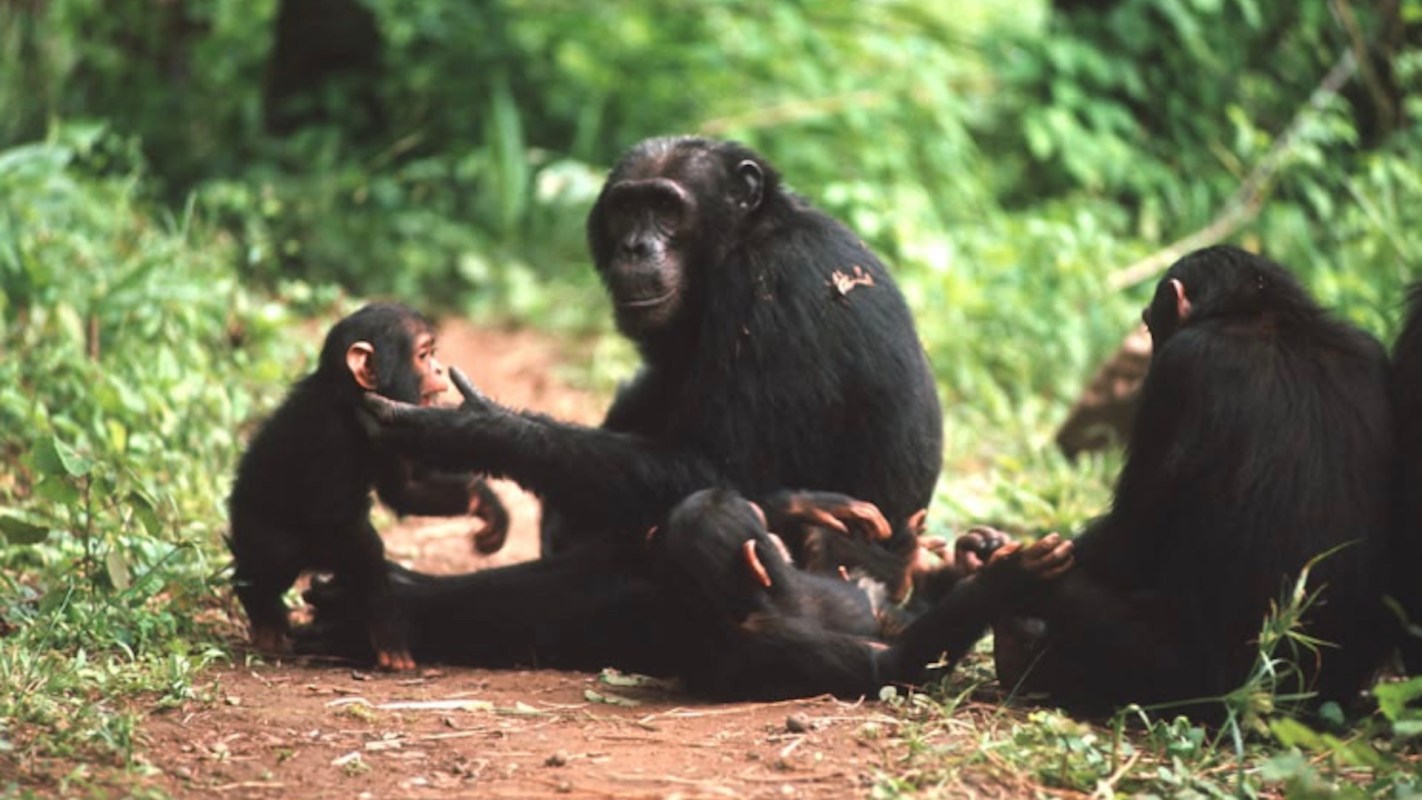
New research highlighted by the Jane Goodall Institute is shedding light on the complex social lives of chimpanzees, suggesting that behavior often viewed as uniquely human may have deeper evolutionary roots.
A recent Instagram post by the Jane Goodall Institute (@janegoodallinst) points to evidence that male chimpanzees can recognize and preferentially care for their own offspring, even in a species known for mating with multiple partners.
What happened?
The educational post drew attention to a 2016 study conducted at Gombe, the Tanzanian research site made famous by renowned primatologist Jane Goodall.
"Did you know that chimpanzees are capable of complex social dynamics, highlighting our close connection to them?" the post asks readers.
It then directs followers to the study, titled "Chimpanzee fathers bias their behaviour towards their offspring."
Researchers found that male chimpanzees were more likely to direct attention and support toward their own offspring than toward unrelated young.
TCD Picks » Quince Spotlight
💡These best-sellers from Quince deliver affordable, sustainable luxury for all




This was a notable finding because chimpanzees live in a promiscuous mating society, where paternity can be difficult to determine.
The results challenge a long-standing assumption that paternal care is unlikely to evolve in species when males cannot be certain which offspring are their own.
Instead, the study suggests that chimpanzee fathers may be able to identify their offspring and adjust their behavior accordingly.
The findings are another reminder of the many traits humans share with our closest living relatives.
Why does it matter?
If chimpanzee offspring benefit from paternal attention and care, threats to their populations may have consequences that extend beyond individual animals.
Habitat loss, poaching, disease, and other human-driven pressures can disrupt family connections and social structures that are important to the well-being of chimpanzee communities.
Understanding these communities can also strengthen the case for conservation efforts. Protecting chimpanzees helps preserve not only an endangered species but also the forests they inhabit.
Those forests play a critical role in storing carbon, supporting biodiversity, and sustaining tourism economies.
Conservation measures that protect great apes can therefore generate broader environmental benefits, helping countless other species while safeguarding ecosystems that communities around the world depend on.

Get TCD's free newsletters for easy tips, smart advice, and a chance to earn $5,000 toward home upgrades. To see more stories like this one, change your Google preferences here.






