


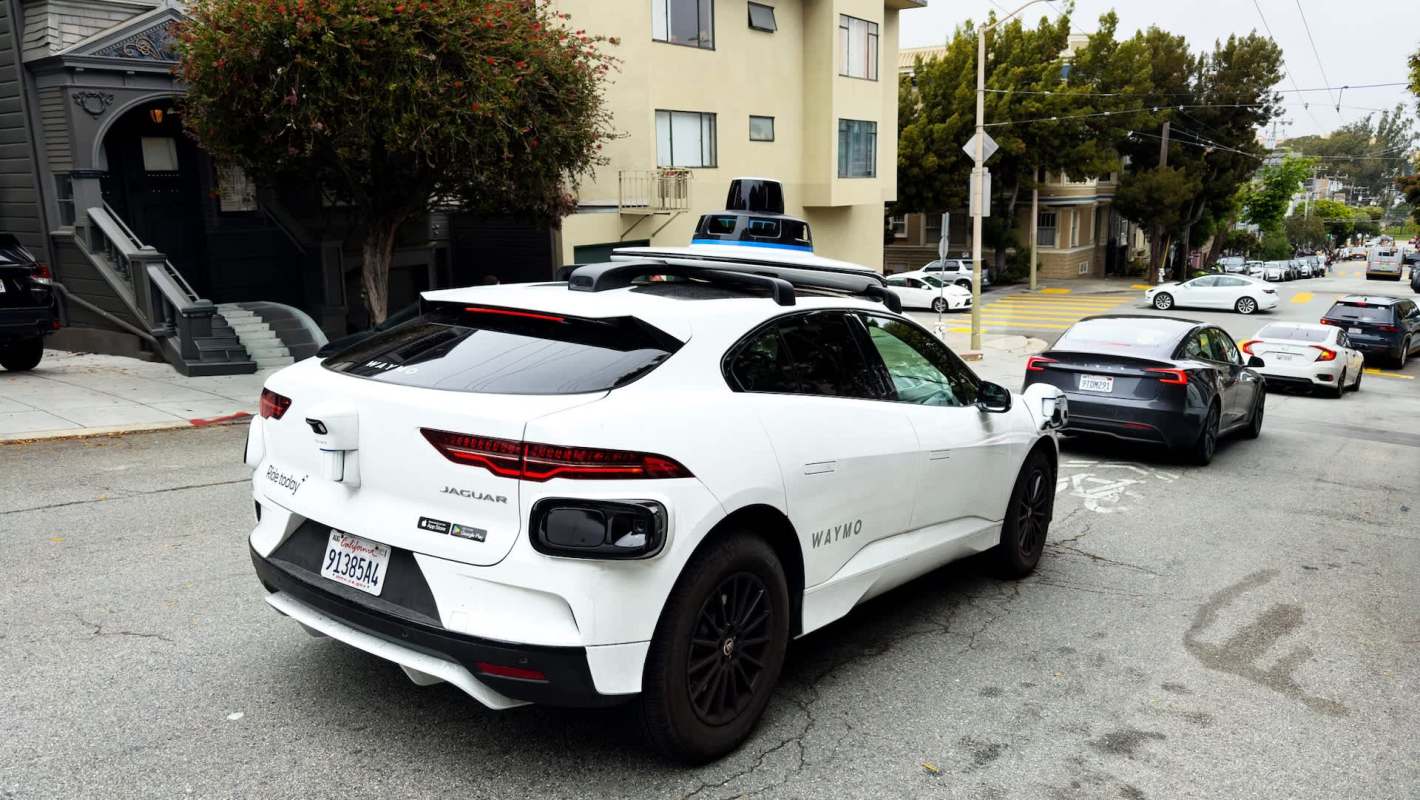
People living at a luxury condominium in San Francisco say an unexpected problem has moved into the building.
They say Waymo robotaxis are now sharing the garage and, at times, leaving residents stuck inside, The Standard reported.
Those complaints have been surfacing on the building's Facebook page, where residents have posted screenshots of autonomous-vehicle backups and said their frustration is mounting.
What happened?
According to residents at Soma Grand in San Francisco's SoMa neighborhood, Waymo vehicles have repeatedly jammed the building's garage, sometimes lining up in ways that block entrances or exits for several minutes.
The Standard reported that some residents now add extra time to their commutes because the self-driving cars can struggle to get through the garage's tight layout.
Soma Grand renter Jacob Thornton, who leases a garage space, said, "It is not just minorly inconvenient. It is insanity." He added, "They brick up, crash out, and block the whole way for 10 to 15 minutes."
TCD Picks » Quince Spotlight
💡These best-sellers from Quince deliver affordable, sustainable luxury for all




Photos from the building's Facebook page that were shared with the outlet showed at least nine residents documenting backups. In one scene described by The Standard, 12 vehicles were clogging the garage's entrances and exits.
Residents said the issue arises both when Waymos head out to pick up riders and when they return for charging or cleaning. They also said Waymo removed many of the vehicles from the garage after the outlet began asking about the situation.
Why does it matter?
In a city where garage parking is limited and can cost $300 to $400 per month, blocked access can mean longer commutes, more traffic on surrounding streets, and growing frustration over a resource residents say they are already paying a premium to use.
Autonomous vehicles depend on artificial intelligence, charging infrastructure, and computing power, all of which draw from the energy grid.
While AI can offer meaningful benefits, including helping improve traffic management and optimize clean energy systems, it also comes with tradeoffs, including high electricity and water use, security risks, misuse, and the possibility of shifting infrastructure strain and higher costs onto local communities.
Waymo said it tried to ease the transition by adding free visitor parking, installing more EV chargers, and, as The Standard reported, paying residents' parking fees for two months.
"We care deeply about the communities we serve and pride ourselves on being a good neighbor," a Waymo spokesperson said.
What are people saying?
Jess Thompson, who has rented a spot in the garage for five years, said, "It's almost like zombie cars coming back to feed."
Thompson also took a more measured view, "I use Waymos. I don't have any negative feelings toward the company. But having to coexist with them has been frustrating."
Richard Fink, who owns his parking spot and has lived next door for 20 years, said he thinks the conflict may keep escalating.
"At some point, there's going to be a revolt or a legal recourse," he said. "They must think we're a pain in the butt, but we've been here for 20 years. They just arrived."

Get TCD's free newsletters for easy tips, smart advice, and a chance to earn $5,000 toward home upgrades. To see more stories like this one, change your Google preferences here.






