


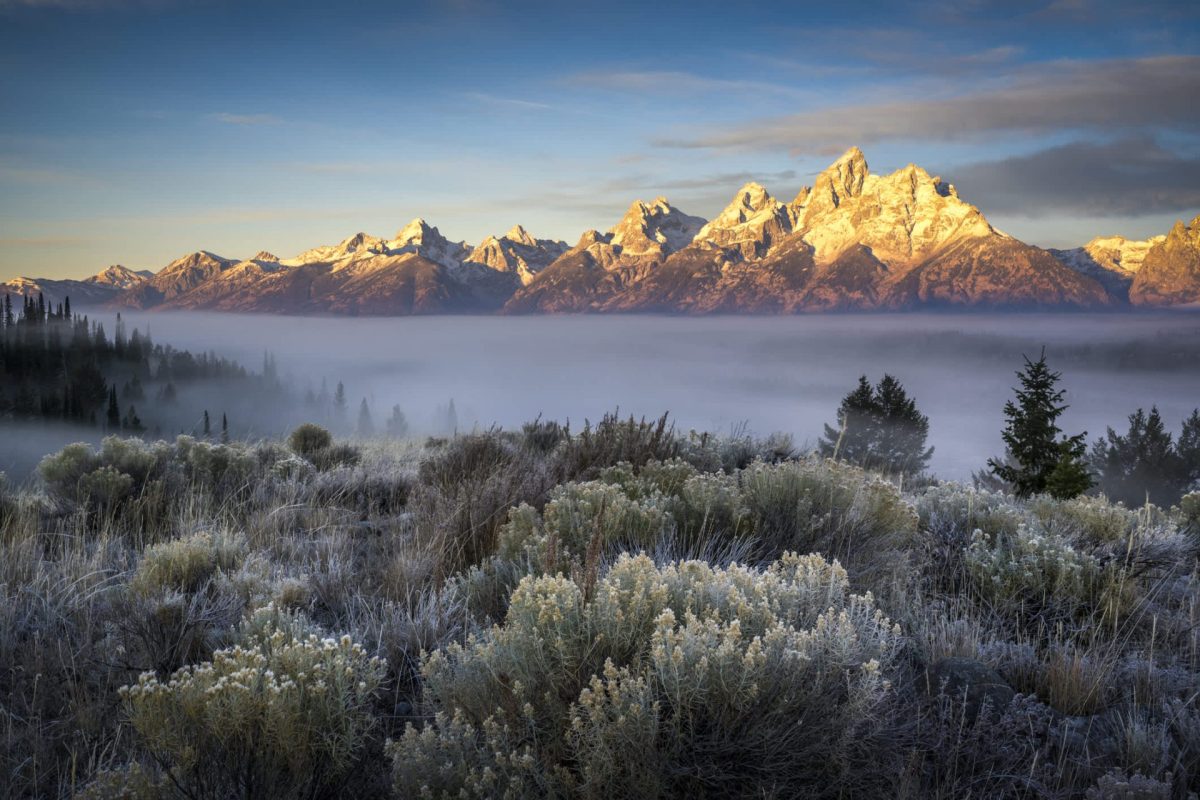
Travelers bound for Grand Teton and Yellowstone national parks are increasingly encountering $19.99 cans of scented oxygen in local shops, promoted as a quick fix for altitude discomfort.
However, doctors say whatever relief those cans provide is short-lived, making them an expensive option for visitors seeking meaningful help.
What's happening?
Across gateway towns near Grand Teton and Yellowstone, canned oxygen is being sold in grocery stores, gas stations, and other retailers, with labels advertising help for "athletic performance and recovery" and "high-altitude acclimation."
According to SFGate, physicians who study altitude illness say the evidence behind those claims is weak.
Visitors arriving from sea level are reaching places where thinner air can matter quickly.
Jackson, Wyoming, is 6,237 feet above sea level, and much of Yellowstone sits at 6,000 feet or higher.
TCD Picks » Quince Spotlight
💡These best-sellers from Quince deliver affordable, sustainable luxury for all




At those elevations, low barometric pressure makes it hard for the body to get enough oxygen, and experts say about 25% of sea-level visitors may develop acute mountain sickness.
Doctors, though, say a small can bought at a store is unlikely to offer much benefit.
"I think there are a lot of unsubstantiated claims," said James Maloney, a professor of medicine at the University of Colorado Hospital, per SFGate.
Boost Oxygen, one of the best-known brands, settled a California false advertising case in 2024 and agreed to stop making some health-related claims, though the company denied wrongdoing.
Why does it matter?
Experts said a large canned oxygen product holds only 10 liters, which is a small amount for someone dealing with altitude sickness.
In practice, that can leave travelers paying $20 for just a few breaths, with any effect fading within minutes.
Benjamin Honigman, an emeritus professor in emergency medicine at the University of Colorado Anschutz, said the body does not store the added oxygen, which is why the benefit is so brief.
"As soon as you remove it, the normal human body will get back to its steady state of wherever they are in elevation within five to 10 minutes," he said, per SFGate.
For hikers, skiers, and road-trippers who think they are buying substantial protection, that can make canned oxygen a poor deal. They may wind up with the same headache or shortness of breath, less money in their pocket, and another single-use can to throw away.
What can I do?
Experts say mild altitude sickness usually improves within 24 to 36 hours, so waiting it out is often the most effective approach. Resting, drinking water, and avoiding too much exertion during the first day or two at elevation can also help.
Maloney said headaches can be treated with over-the-counter medicine such as ibuprofen or acetaminophen. People who have heart or lung conditions may want to talk with their doctors before traveling to higher elevations.
When symptoms are serious, canned oxygen should not be viewed as a replacement for medical treatment. Oxygen therapy in a medical setting involves a much more continuous flow than a store-bought canister can deliver.
"I don't think anyone's being hurt by this," Maloney said, per SFGate, "other than in the wallet."
Honigman noted that canned oxygen "does have short-term benefits that might help some people" but added that "the effectiveness of any extraneous oxygen that you breathe only lasts for a very short period of time."

Get TCD's free newsletters for easy tips, smart advice, and a chance to earn $5,000 toward home upgrades. To see more stories like this one, change your Google preferences here.







