


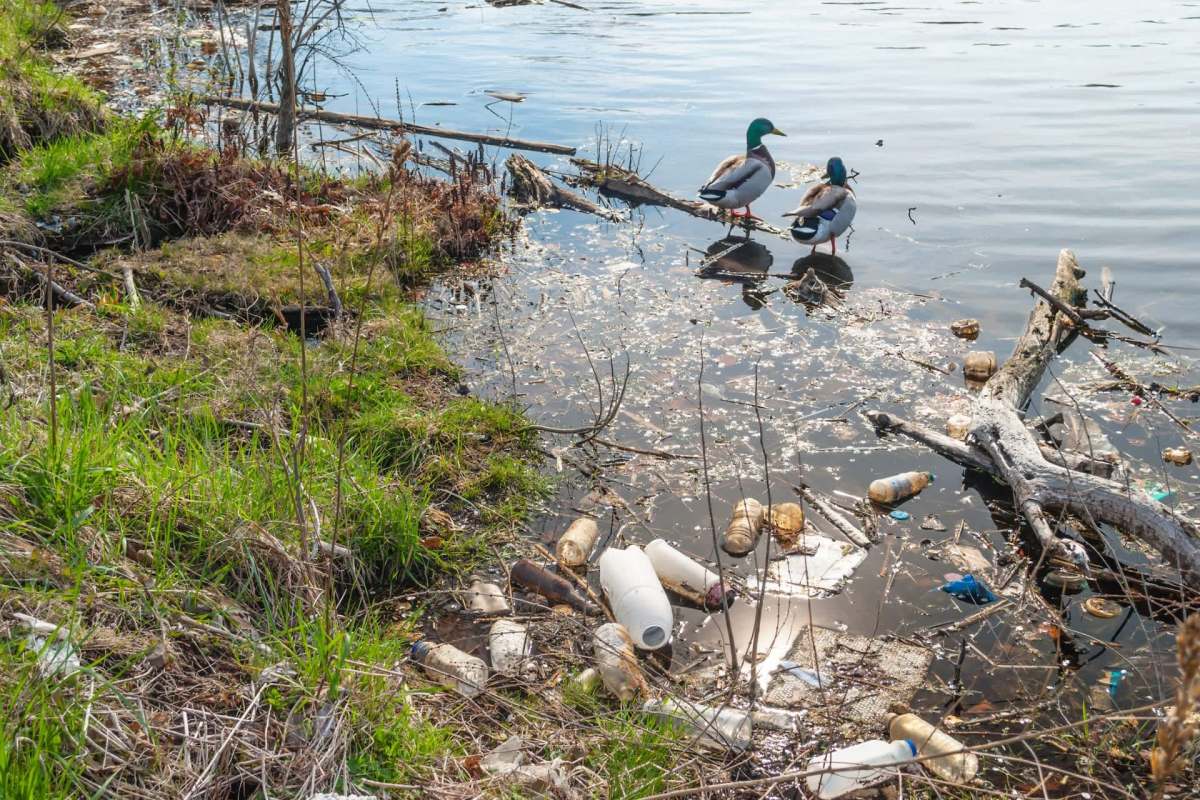
Tiny plastic particles are accumulating in Pennsylvania waterways at an alarming rate, and researchers say they are not just confined to areas near major cities.
Penn State scientists published the study in the peer-reviewed journal Science of the Total Environment, detecting microplastics in even remote and rural waterways.
What's happening?
To examine where plastic lingers before it moves out toward the ocean, the researchers studied decades' worth of sediment from Raystown Lake, Conemaugh River Lake, and the John Heinz National Wildlife Refuge at Tinicum, according to a piece inThe Conversation penned by the study's authors.
What they found was interesting, if not alarming. Even the mostly forested, rural watershed around Raystown had microplastic levels similar to those found near Philadelphia.
"Land use alone is not a reliable way to predict how much plastic can be found in any given waterway," as the authors put it. Instead, they concluded that high microplastic levels in freshwater sediments "corresponded to the overall increase in plastics production" from the 1950s through the 2010s.
The researchers also found that estuaries can trap microplastics before they reach the coast, but not enough to solve the so-called "missing plastic paradox," the gap between how much plastic scientists expect to find in the ocean and how much is actually measured there.
TCD Picks » Quince Spotlight
💡These best-sellers from Quince deliver affordable, sustainable luxury for all




Why does it matter?
Microplastics are not just an ocean problem. Evidence of contamination extends well beyond the sea. These miniscule particles have been found in rivers, lakes, soil, air, food, and living organisms, including humans.
As the researchers noted in The Conversation, the world now produces over 500 million tons of plastic each year, and output has roughly doubled every two decades since the 1950s.
The researchers added that the United States alone generates more than 48 million tons of plastic waste annually, with about 86% going to landfills and only roughly 5% being recycled.
Local waterways are becoming storage sites for pollution that can persist for hundreds or even thousands of years as large plastic items gradually break down. People living far from the coast are still closely connected to the plastic crisis through their drinking water, landscapes, and ecosystems.

Get TCD's free newsletters for easy tips, smart advice, and a chance to earn $5,000 toward home upgrades. To see more stories like this one, change your Google preferences here.






