


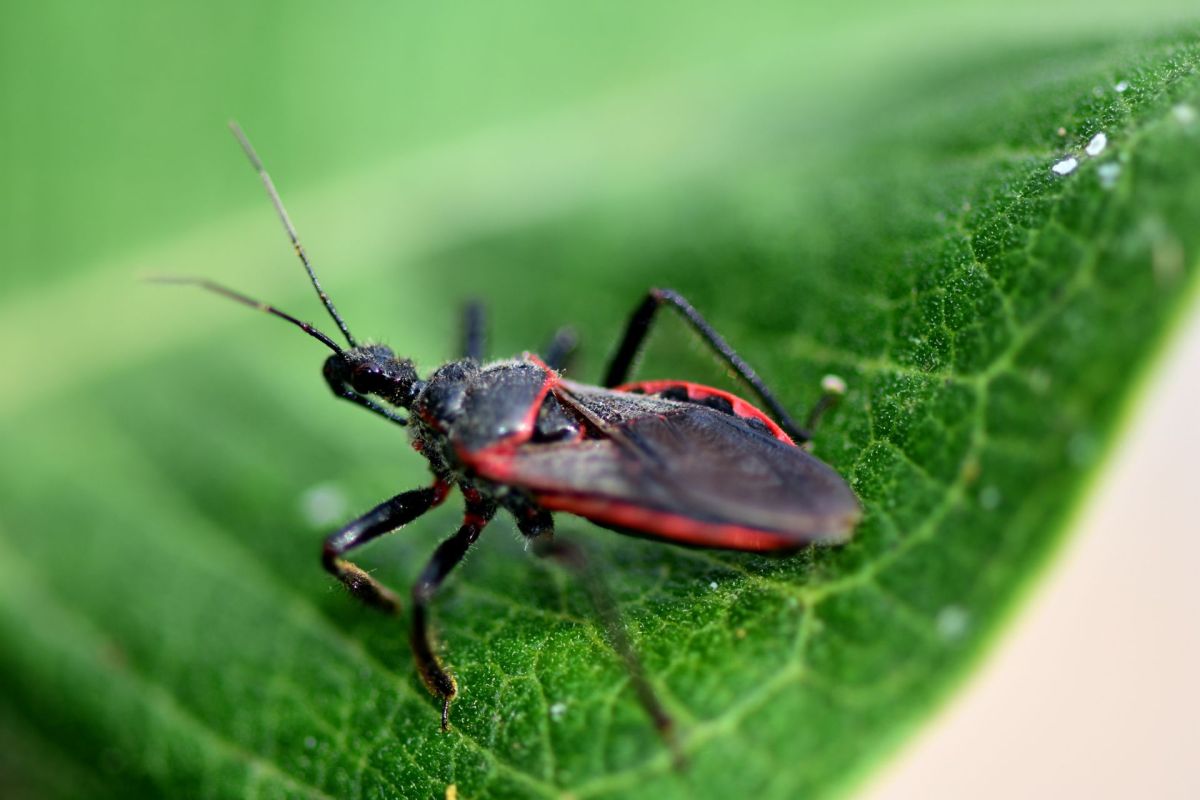
For years, Chagas disease in the United States was largely framed as something picked up during travel.
That view is changing as the CDC now says Chagas is endemic in the U.S., marking a significant shift for a disease many Americans have never even heard of.
What's happening?
A September 2025 study in the CDC's peer-reviewed journal, Emerging Infectious Diseases, said Chagas should be considered established in the United States rather than seen only as an imported illness.
The agency subsequently revised its Chagas disease webpages on Feb. 4, 2026, per Medical Daily.
Across 32 states, researchers have identified 11 "kissing bugs" that may spread the illness, most commonly found in southern and southwestern states.
Texas, in particular, seems to have a relatively higher number of recorded cases originating in the U.S. From 2013 to 2023, the state recorded 50 locally acquired cases of Chagas. Health officials estimate that about 300,000 people in the U.S. are living with the disease, most without knowing it.
TCD Picks » Quince Spotlight
💡These best-sellers from Quince deliver affordable, sustainable luxury for all




Why does it matter?
In the September 2025 study, the authors wrote that the "classification of Chagas disease as endemic… to the United States could improve surveillance, research, and public health responses. Acknowledging the endemicity of Chagas disease in the United States is crucial for achieving global health goals."
Chagas can be especially dangerous because early infection is often mild or symptom-free. People may experience fatigue, fever, aches, headaches, or swelling near one eye, and these symptoms can subside without treatment, even though the parasite remains in the body for life.
The worst effects can take years to appear, with serious complications sometimes not showing up until 10 to 30 years after the initial infection, per Medical Daily.
About 20% to 30% of chronically infected people eventually develop major problems such as cardiomyopathy, irregular heartbeats, heart block, sudden cardiac death, or enlargement of the esophagus or colon.
Many doctors still do not routinely test for Chagas, especially outside the South and Southwest, and just eight states, along with two California counties, mandate reporting. As a result, infections can go undetected until severe heart damage has already begun.
What's being done?
The CDC has renewed its guidance for doctors and public health agencies, and there are treatments available.
Two approved anti-parasitic medicines for Chagas include benznidazole and nifurtimox. They are most effective in acute infections and in children with chronic disease, though adults may still benefit through slower progression and a lower chance of transmitting the parasite during pregnancy.
For people living in areas where kissing bugs are found, recommended steps include sealing gaps in walls, doors, and windows.
Additionally, removing nearby woodpiles and debris and keeping pets indoors can help. If you do find a kissing bug, do not crush it; instead, put it in a sealed container and contact your local health department about testing.

Get TCD's free newsletters for easy tips, smart advice, and a chance to earn $5,000 toward home upgrades. To see more stories like this one, change your Google preferences here.






