


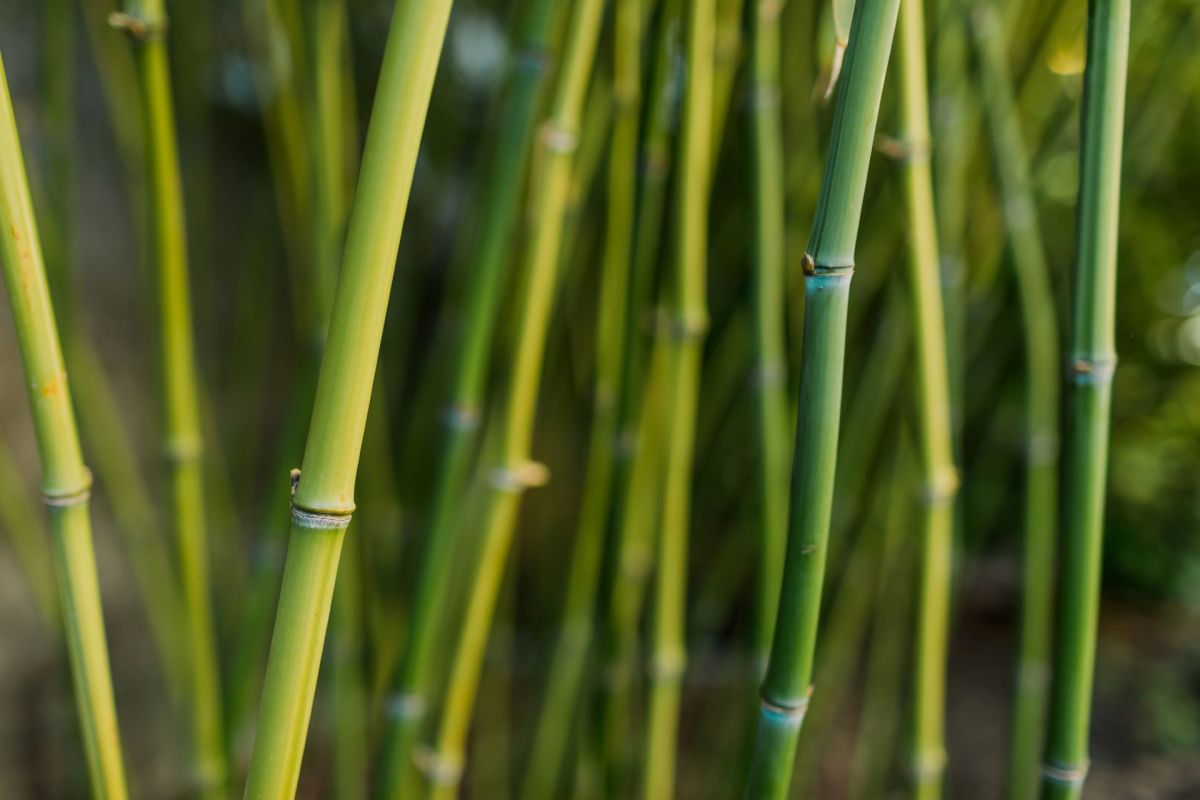
For some homeowners in Edison, New Jersey, backyard maintenance has turned into a battle against an aggressive plant that does not respect property lines.
A growing number of residents say bamboo from neighboring properties is pushing into their yards, disrupting landscaping plans and raising concerns about their future property values.
What's happening?
According to News 12, Edison officials say 25 homeowners have complained about bamboo spreading onto their property from nearby yards, just one year after the township banned the plant.
Under an ordinance adopted in April 2025, growing bamboo is prohibited in Edison. Homeowners who already have it are required to keep it trimmed and maintain a 10-foot buffer from neighboring lots.
If they fail to maintain the buffer, the homeowners could be subjected to fines. And these fines are no joke: people could have to pay up to $100 a day until the bamboo is removed. Additionally, neighbors could be taken to court over their bamboo plants.
Many homeowners plant bamboo as a privacy screen or border, but once it starts creeping into adjacent yards, it can become a costly nuisance. The plant can spread by as much as seven feet in a year.
TCD Picks » Quince Spotlight
💡These best-sellers from Quince deliver affordable, sustainable luxury for all




One resident told News 12 that she hasn't been able to rid her yard of the plant, saying, "It popped up. My husband had to use a chainsaw to cut it down. He dug a trench here by our fence and put down metal sheathing. It's not preventing. This stuff will blow through concrete."
Why does it matter?
Invasive plants can create problems that go well beyond appearance. Bamboo is notoriously difficult to remove, often requiring homeowners to dig it out rather than simply cut it back. That can mean more labor, more expense, fewer homebuyers, and more conflict between neighbors.
Fast-growing, non-native plants may seem convenient at first, but they can lead to long-term maintenance issues. Replacing all or even part of a traditional yard with lower-maintenance options can save money and time on upkeep.
Those alternatives can also support pollinators and local ecosystems rather than crowding them out. Even a partial lawn replacement can offer those benefits while reducing the risk of invasive spread.
What's being done?
The township says it will be fining violators under the ordinance. But even with the rule in place, some disputes may still end up in civil court.
Planting native and climate-appropriate species can be a smarter move. Choosing a more natural yard can reduce the need for mowing, trimming, and watering while creating a landscape that is easier to manage.
In neighborhoods where privacy is the goal, native shrubs, grasses, and other regionally appropriate plants can often do the job without the same risk of invasive takeover.

Get TCD's free newsletters for easy tips, smart advice, and a chance to earn $5,000 toward home upgrades. To see more stories like this one, change your Google preferences here.






