


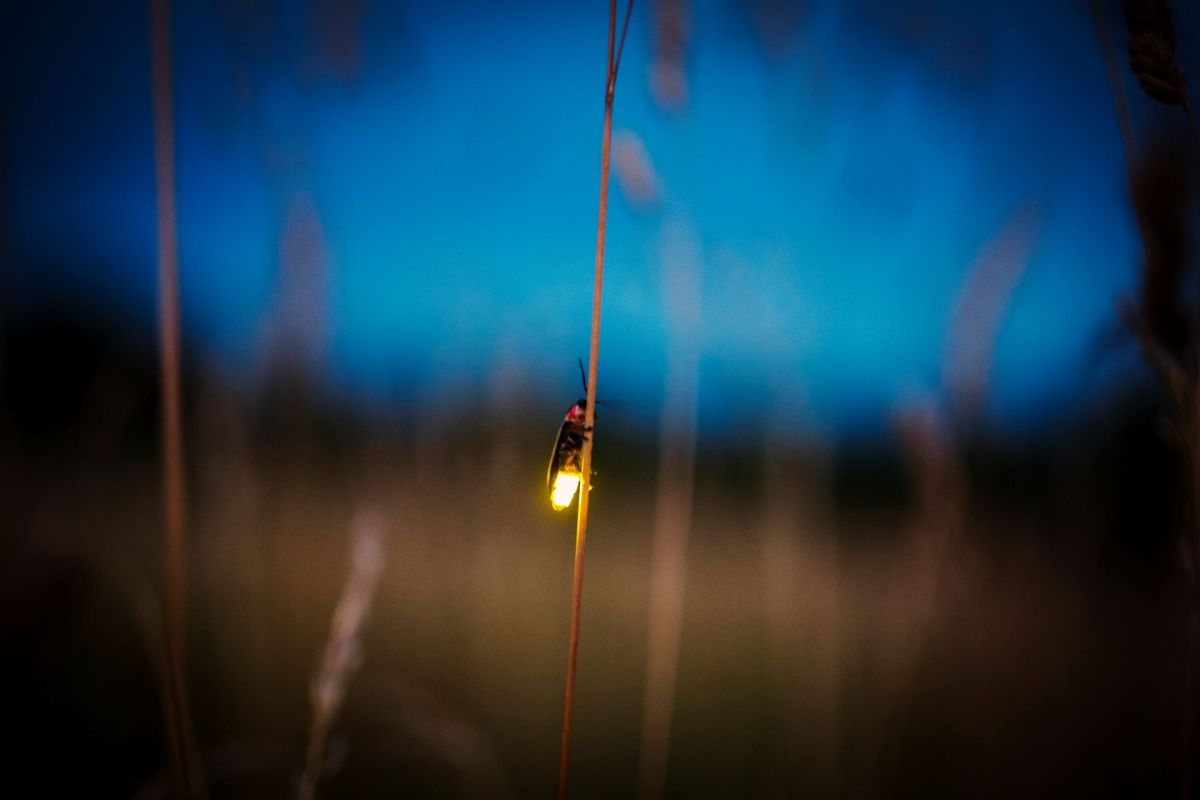
A tiny flash of hope is drawing major attention online as scientists in Colorado say a lab-bred firefly successfully mated with wild males for the first time, a milestone that could help researchers rebuild declining populations.
What happened?
Scientists from the University of Colorado Boulder say the milestone grew out of a conservation project that brings in wild fireflies each year so researchers can determine what allows them to survive into adulthood, per The Denver Post.
The project also aims to determine whether fireflies raised in captivity can eventually be returned to natural habitats to help strengthen rapidly shrinking populations.
Dr. Orit Peleg, an associate professor at the university, told The Denver Post that the team has officially "closed the cycle," when, last year, a lab-raised firefly mated with males caught in the wild for the first time.
Why does it matter?
Fireflies are more than a nostalgic sign of summer. As Peleg noted, they are an indicator species, meaning their presence can reveal whether an ecosystem is healthy or under stress.
When scientists learn about the specific conditions fireflies need to mature and reproduce, they also gain insight into what makes local habitats livable for other sensitive species.
TCD Picks » Quince Spotlight
💡These best-sellers from Quince deliver affordable, sustainable luxury for all




This kind of information can help communities protect nearby natural spaces before environmental problems take hold. Healthier habitats also support biodiversity, benefiting both wildlife and the people who live in and around these ecosystems.
The work also carries a human dimension. Fireflies can connect people to the outdoors, especially children and families. A successful path for reintroducing them into the wild could help preserve that experience for future generations while supporting healthier landscapes overall.
Peleg underscored the importance of this work in starker terms, telling The Denver Post that fireflies are "a canary in a coal mine."
He also explained to the outlet why their decline is so concerning: "When they go away, because they're such a sensitive species, then that could be a sign that there are bigger issues."

Get TCD's free newsletters for easy tips, smart advice, and a chance to earn $5,000 toward home upgrades. To see more stories like this one, change your Google preferences here.






