


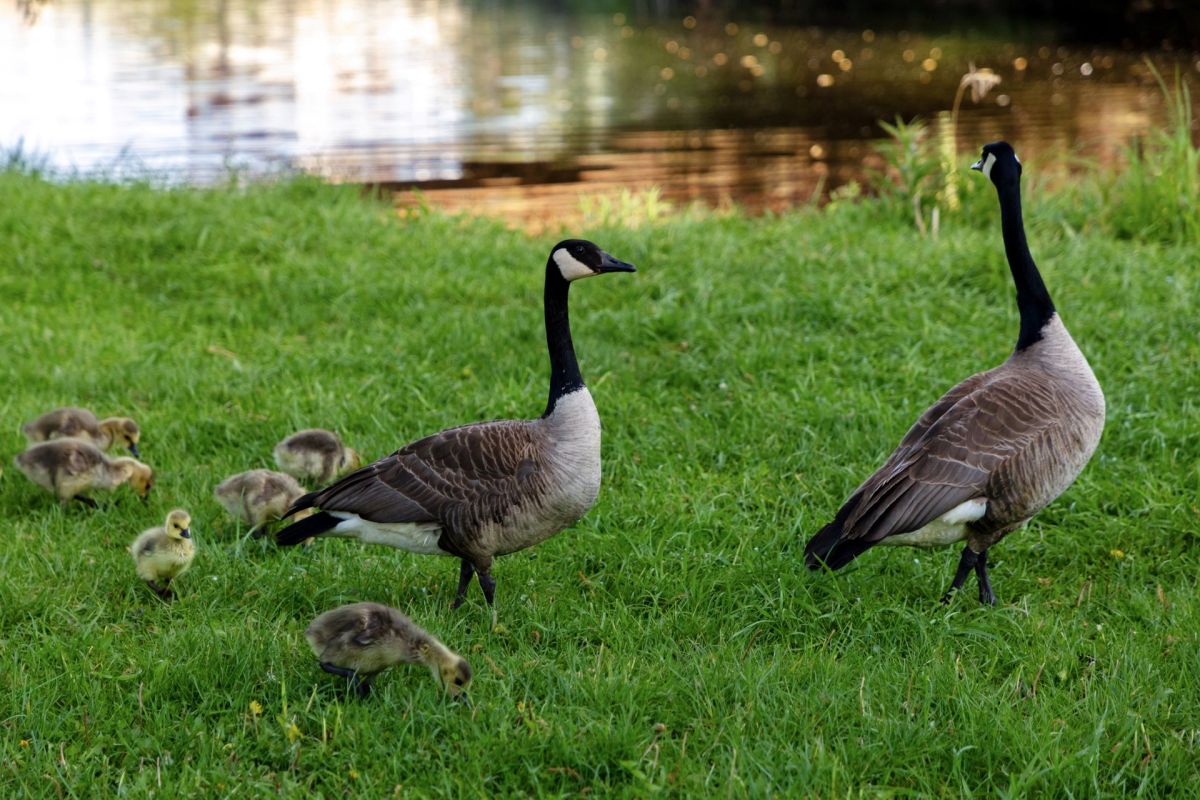
At Lady Ann Lake in Madison, Alabama's Edgewater neighborhood, a homeowners association has decided to euthanize 226 Canada geese, sparking a bitter fight within the community.
Many residents want the board to abandon the cull and focus on non-lethal ways to deal with the birds instead.
Monday night, the Edgewater HOA board voted to proceed with killing the 200-plus geese that live around Lady Ann Lake.
As WAFF 48 reported, board president Brian Goodwin said the birds have hurt the lake and created concerns involving public health, lake quality, trail cleanliness, and human safety. The media station's video interviews showed a neighborhood upset over the vote.
Jack Hollum, one board member who opposes the "mass bird kill," described the culling process this way: "They shoot nets over the flocks of geese, capture as many as they can, they put them in a trailer, and gas them to death. And geese can hold their breath for 45 minutes or so, so in doing that, it's an agonizing death for them."
Because Canada geese are covered by the Migratory Bird Treaty Act, they cannot legally be killed without federal permission.
TCD Picks » Quince Spotlight
💡These best-sellers from Quince deliver affordable, sustainable luxury for all




But WAFF 48 reported that communities near Huntsville International Airport can seek permits because of bird-strike concerns. One U.S. Department of Agriculture official told the outlet that the Edgewater board has not yet filed for another permit.
Opponents of the plan say there is reason to doubt a cull would actually fix the issue. Hollum told WAFF 48 that after the neighborhood's goose kill several years back, a new flock showed up again in roughly two weeks.
He and other residents have also said they would clean up goose droppings themselves and purchase equipment to help manage the problem.
Across the country, HOAs have faced criticism for blocking homeowners from making money-saving, planet-friendly upgrades such as rooftop solar panels and native plant lawns.
WAFF 48 reported that Edgewater's board says it also wants a population-control strategy that includes adding shoreline vegetation buffers, reducing attractants, keeping nonlethal deterrents in place, using reproductive control methods, and improving water quality.

Get TCD's free newsletters for easy tips, smart advice, and a chance to earn $5,000 toward home upgrades. To see more stories like this one, change your Google preferences here.







