


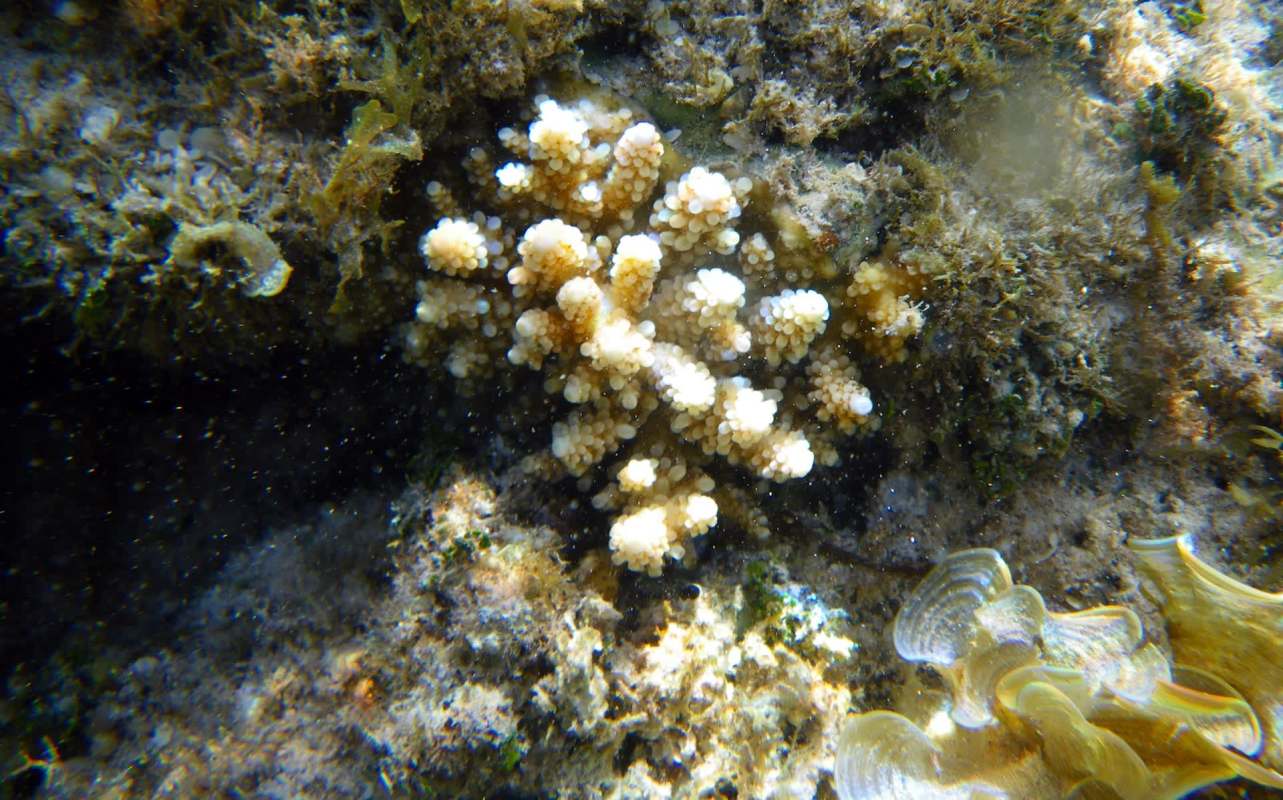
Scientists have found that about a third of the world's coral reefs are hardier than previously thought, encouraging some people that vulnerable reefs may be able to endure warmer oceans.
What happened?
Researchers presented their findings, originally published in the peer-reviewed journal Frontiers in Marine Science, at the Our Ocean Conference in Mombasa, Kenya, as reported by Phys.org.
The study estimates that roughly 64,000 square miles of coral reefs worldwide qualify as "climate-resilient," meaning they may fare better during extreme ocean heat events. According to the Wildlife Conservation Society, that area represents about one-third of the global reef total.
The research includes a map showing reefs worldwide in greater detail, with depth and temperature data. Improved monitoring technology has made this map up to 10,000 times more detailed than other similar ones previously, per Phys.org.
Australia, the Bahamas, Cuba, Indonesia, and the Philippines contain more than half of the resilient reefs highlighted in the analysis. Researchers said these areas may have cooler waters, gain greater heat tolerance, or recover faster after stress. They also said the new detailed map revealed about three times as many resilient corals as earlier estimates.
Why does it matter?
Coral reefs do far more than add beauty to coastlines. They help shield shorelines from storms, support fisheries that feed communities, and sustain local economies through tourism and recreation. When reefs disappear, coastal towns and families are often among the first to feel the effects.
TCD Picks » Quince Spotlight
💡These best-sellers from Quince deliver affordable, sustainable luxury for all




The map gives governments and conservation groups a clearer picture of where protection efforts could have the greatest impact. If these hardier reefs are preserved, they may help nearby ecosystems recover over time instead of collapsing altogether.
A major concern is how little of this resilient reef area is actually being protected. Unfortunately, only 28% of the climate-resilient reefs identified are under active protection.
Researchers warned that these reefs' resilience has limits, and that even though they're tougher, they remain at risk if levels of planet-heating pollution keep rising. Conservation may buy time, but cutting carbon pollution is still essential for marine life and the people who depend on it.

Get TCD's free newsletters for easy tips, smart advice, and a chance to earn $5,000 toward home upgrades. To see more stories like this one, change your Google preferences here.






