


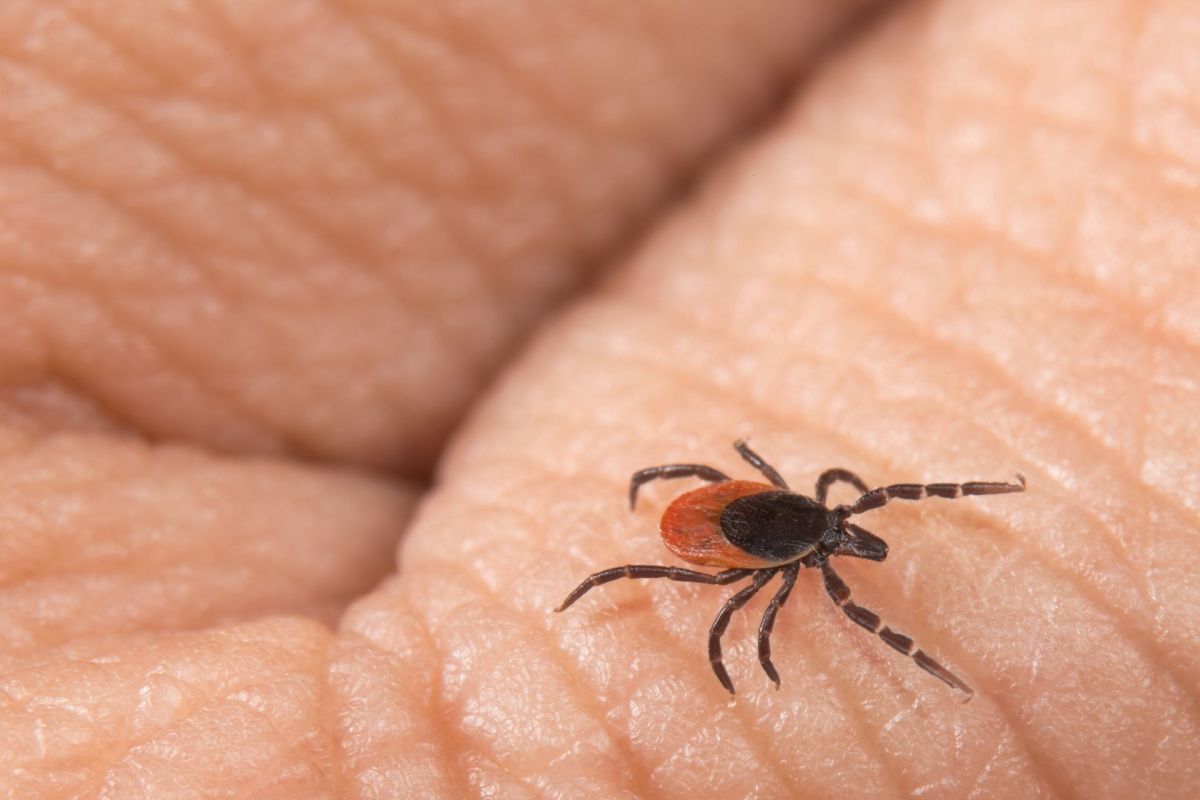
Lyme disease may dominate tick-season warnings, but it is not the only serious threat carried by ticks.
Bites from some deer ticks can also transmit the rare Powassan virus, according to Medical Daily. It can potentially cause a rare and dangerous brain infection that can spread from the tick to the host in as little as 15 minutes, even though Lyme disease typically takes as little as 24 hours of tick attachment to transmit.
What's happening?
As reported by the New York Department of Health, the Powassan virus remains uncommon. Only 239 cases have been reported nationwide over the past decade, mostly in the Northeast and Great Lakes states.
However, cases have been rising as black-legged deer ticks expand in range and density, per Medical Daily.
That matters, as 2026 is already shaping up to be one of the worst tick seasons in years. Now, Lyme-related emergency room visits are up 25% from last year. And 40% of reported ticks in Connecticut have tested positive for Lyme disease.
Since the transmission window is far shorter for Powassan, which may spread in about 15 minutes, instead of the 36 to 48 hours Lyme disease usually requires (with the possibility of transmission increasing after just 24 hours), this is a major cause for concern.
TCD Picks » Quince Spotlight
💡These best-sellers from Quince deliver affordable, sustainable luxury for all




Why is the Powassan virus concerning?
The highest risk comes when the Powassan virus reaches the brain. Most people who are infected probably have no symptoms or only a mild flu-like illness, but about 5% to 10% develop the brain disease, according to Medical Daily.
In severe cases, that can mean fever, vomiting, weakness, confusion, poor coordination, speech problems, seizures, and sometimes a rapid decline into coma or death.
About one in ten people with neuroinvasive disease die, and roughly half of survivors are left with long-term neurological effects such as chronic headaches, weakness, paralysis, memory problems, and even personality changes.
Because the virus can move so fast, post-outdoor tick checks may be less protective than they are for Lyme.
There is also no approved U.S. vaccine or antiviral treatment for the virus, so care is limited to supportive measures like intensive care, seizure control, and rehabilitation. Since there is no vaccine or specific treatment, the best strategy is to avoid getting bitten in the first place.
Experts recommend using EPA-registered repellents, wearing clothing that covers vulnerable skin, and performing careful tick checks after time outdoors.
Removing a tick quickly is still worthwhile, even if it may not fully prevent exposure to the Powassan virus. The same steps also help lower the risk of Lyme disease. After any possible bite, watch for symptoms over the following days and weeks.
Anyone who develops an unexplained fever, a severe headache, or neurological symptoms after outdoor exposure should get medical care quickly, especially in Lyme-endemic parts of the Northeast and Midwest.

Get TCD's free newsletters for easy tips, smart advice, and a chance to earn $5,000 toward home upgrades. To see more stories like this one, change your Google preferences here.






