


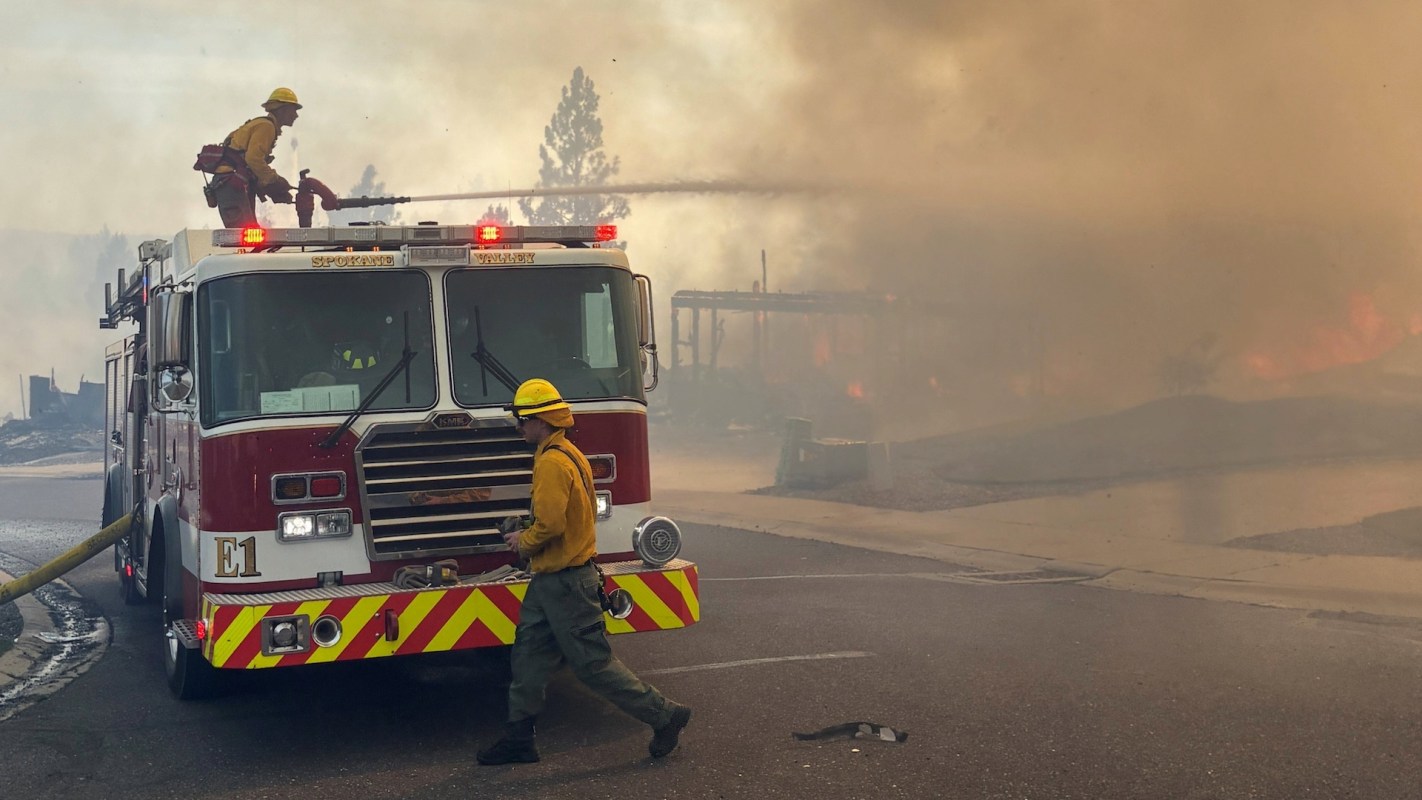
Wind-whipped flames near Spokane, Washington, prompted mass evacuations on Tuesday as a wildfire pushed into a populated part of the region.
By Tuesday evening, NBC News reported that more than 11,000 residents were under evacuation orders, and officials said the fire had already claimed some structures.
What happened?
Reported shortly after noon on Tuesday, the Upriver Fire northeast of Spokane had expanded to about 250 acres by the evening.
Officials said the threat was particularly serious because the fire was moving near a heavily populated area.
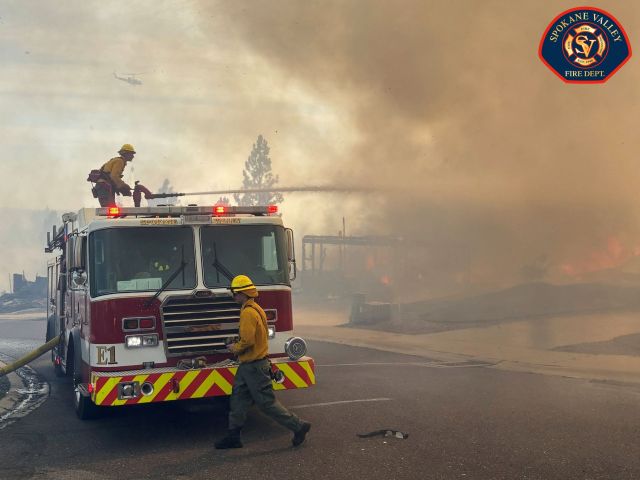
According to NBC News, Matthew Vinci, chief of Spokane County Fire District 9, said evacuation zones included about 2,340 primary and secondary structures, affecting roughly 11,750 residents. He said no injuries had been reported, but confirmed the fire had already caused damage.
"We have lost some structures," Vinci said at a Tuesday evening news conference. "We don't have an exact number right now."
TCD Picks » Quince Spotlight
💡These best-sellers from Quince deliver affordable, sustainable luxury for all




The weather was also intensifying the risk. Red flag warnings were in effect across parts of Washington and Oregon, and the National Weather Service warned of west winds of 15 to 30 miles per hour, gusts reaching 40 to 50 mph, and low humidity — conditions favorable for rapid fire growth.
NBC News reported that the city said that fire weather had led to a public safety power shutoff in parts of northwest Spokane earlier Tuesday, creating another challenge for residents trying to remain safe.
Why does it matter?
Wildfires can quickly become public health and economic crises.
Evacuations often force families to leave behind homes, pets, medications, and other essential belongings with little notice. Smoke exposure can worsen asthma and other respiratory illnesses, while power shutoffs can disrupt cooling, refrigeration, and medical equipment.
Extreme weather disasters threaten lives and livelihoods by damaging homes, straining first responders, interrupting local businesses, and increasing recovery costs for entire communities. When strong winds and dry conditions combine, fires can move rapidly through populated areas, putting public safety and economic stability at risk.
What's being done?
Firefighters from Spokane and other parts of Washington were assisting with the response, and NBC News reported that Vinci said federal help was on the way. He added that the firefight was not expected to end quickly, warning that crews could be working for days.
Washington Gov. Bob Ferguson said he had been briefed on the fire and was closely monitoring the situation. Ferguson took to social media, where he said he had asked FEMA for a fire management assistance declaration and expected it to be approved.
NBC News reported that Spokane Regional Emergency Communications, the 911 provider for the area, had already warned that fire season had arrived and told people to make plans.
"Wind-driven fires are very, very dangerous," Vinci said, as relayed by NBC. "They're dangerous to work in, they move very rapidly, they have a lot of fuel in that area. It's a very densely populated area."
According to NBC, Ferguson added, "My thoughts are with the first responders fighting this blaze, and with the families evacuated from their homes."

Get TCD's free newsletters for easy tips, smart advice, and a chance to earn $5,000 toward home upgrades. To see more stories like this one, change your Google preferences here.







