


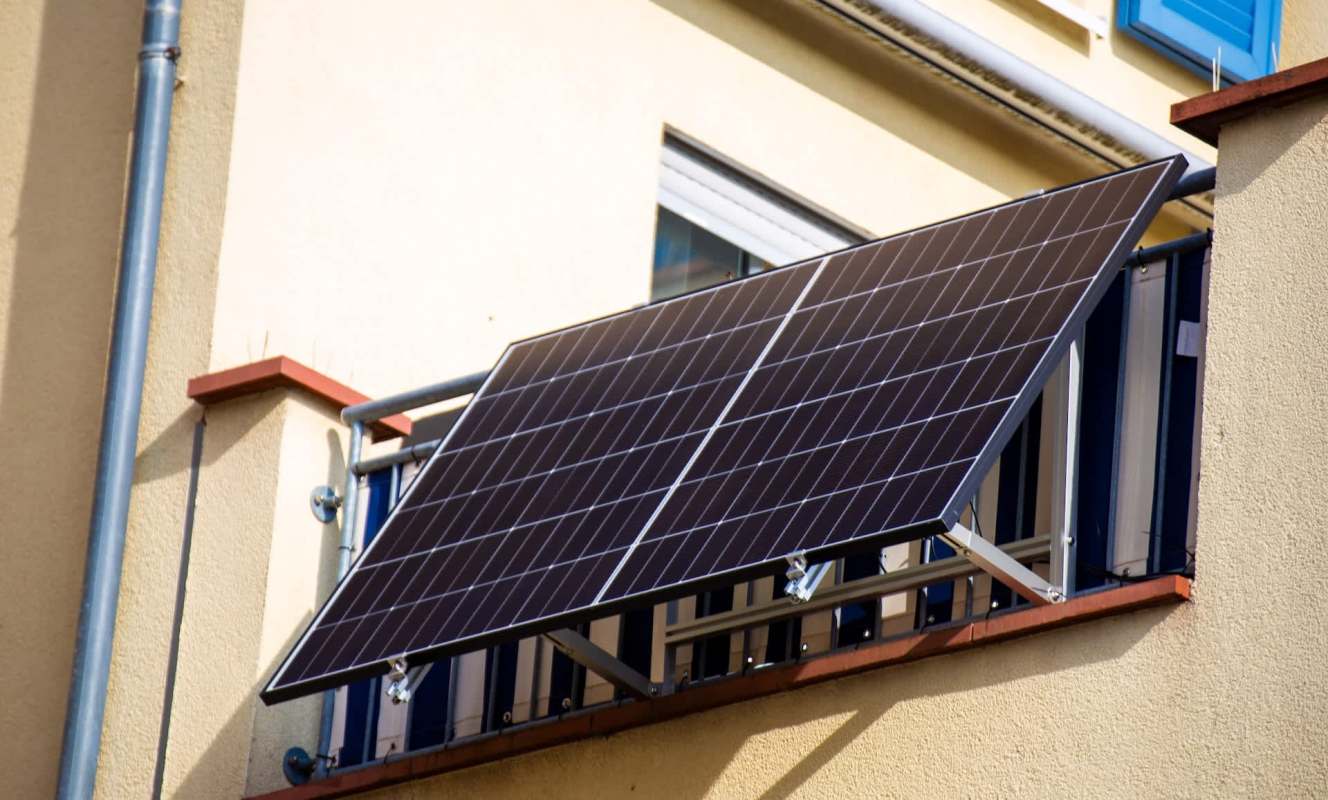
Utah has opened the door to a new kind of DIY clean energy: solar panels that plug directly into ordinary wall outlets.
According to UPR, Utah's first-of-its-kind law is already serving as a model, with lawmakers in more than 30 states and the District of Columbia introducing similar ideas.
What's happening?
House Bill 340, backed by Republican state Rep. Raymond Ward, cleared the Utah Legislature unanimously last year. Utah News Connection reported that the measure allows residents to run plug-in solar systems through standard household outlets.
Going solar can save money on home energy. EnergySage has free tools that can help you find vetted, local installers and the plan that's right for you. They can help you save up to $10,000 on your installation as well, by curating competitive bids for your solar panels.
In parts of Europe, this lower-cost approach to solar has already become popular. Often called "balcony solar," it offers a cheaper starting point than a traditional rooftop array.
"It's great for anyone who wants a little solar power but does not want to pay $30,000 for a roof install," Ward said, as reported by UPR.
The policy's influence has spread quickly. Similar bills have been drafted in more than 30 states and Washington, D.C., and six states have already enacted related laws.
Why does it matter?
They give households a way to cut electricity costs without taking on a major renovation.
Save $10,000 on solar panels without even sharing your phone number Want to go solar but not sure who to trust? EnergySage has your back with free and transparent quotes from fully vetted providers that can help you save as much as $10k on installation. To get started, just answer a few questions about your home — no phone number required. Within a day or two, EnergySage will email you the best local options for your needs, and their expert advisers can help you compare quotes and pick a winner. |

Plug-in solar systems are designed to be smaller and more portable than traditional rooftop installations, making them an option for people living in condos or in homes where a full solar system is too expensive.
Utah's rules cap output at 1,200 watts, so these systems will not replace all of a home's electricity use.
On YouTube, JerryRigEverything said his setup saves about a dollar a day, while Utah Clean Energy's Josh Craft said his battery-backed system cuts his electric bill by about 10%.
If you want to add solar to your home, Energy Sage's free map tool can help you find all the rebates and discounts in your state to maximize your savings. And if you want to add a battery backup system to your solar panels, EnergySage can save you money there too, and connect you to local installers.
More From EnergySage
💡Go deep on the latest news and trends shaping the residential solar landscape




As electricity demand rises and energy costs continue to strain many household budgets, smaller solar options could give more people a practical way to produce at least some of their own power.
What's being done?
Safety certification is the next step.
Under Utah's law, Underwriters Laboratories, or UL, was tasked with developing standards for these plug-in systems. Kenneth Boyce, UL's engineering vice president, said certified products may reach the U.S. market soon.
Even with the law in place, utilities have warned about power moving "upstream" through household wiring, especially when crews are working on repairs. Utah sought to answer those concerns by shielding utilities from liability and by requiring safety-tested equipment before broader adoption.
Boyce said to UPR that UL is "making sure we keep [consumers] safe while they get the benefits of participating in the energy transition."

Get TCD's free newsletters for easy tips, smart advice, and a chance to earn $5,000 toward home upgrades. To see more stories like this one, change your Google preferences here.






