


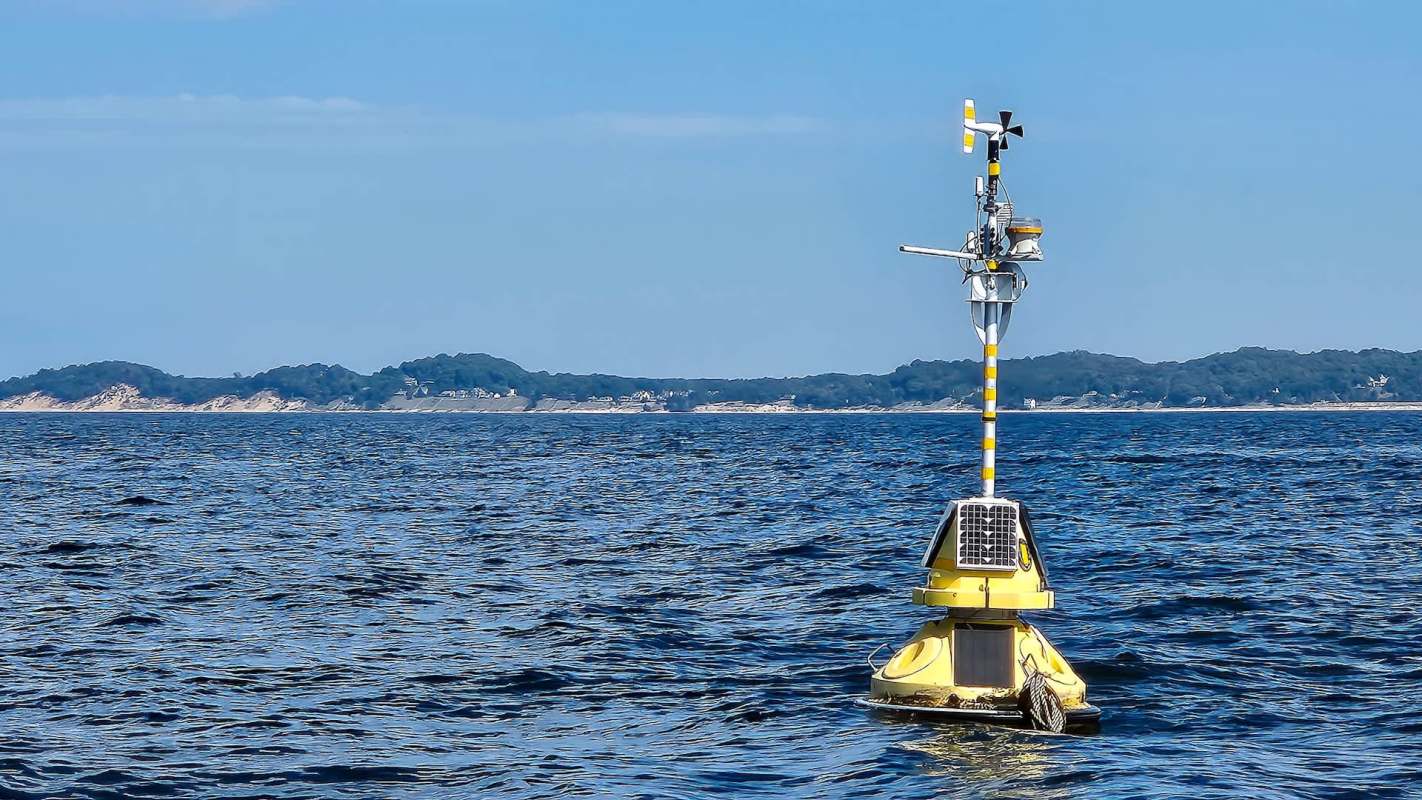
A proposed Trump administration budget could significantly reduce federal science funding that supports research and monitoring of the Great Lakes.
Researchers warn that the cuts would threaten critical tools used by communities to track water quality, protect public health, and support local economies that depend on the region's freshwater systems.
What's happening?
Grist reported that President Donald Trump's budget plan would cut $1.3 billion from the National Oceanic and Atmospheric Administration, reducing its funding by about one-third. Scientists warn that Great Lakes research would be hit especially hard.
At stake are programs that gather information tied to public safety and lake conditions, including work involving weather, water quality, climate, and maritime safety.
Among the programs at risk is the Cooperative Institute for Great Lakes Research, a University of Michigan-National Oceanic and Atmospheric Administration partnership. According to Grist, its researchers track changing lake levels, ice patterns, and algae outbreaks in places such as Lake Erie.
"The investment that we make pays off in terms of safer water, public safety, public health, as well as economic activity," Gregory Dick, director of the institute, told Grist.
TCD Picks » Quince Spotlight
💡These best-sellers from Quince deliver affordable, sustainable luxury for all




GLOS, the Great Lakes Observing System, is also at risk. Grist noted it is one of 11 NOAA-backed observation networks nationwide and provides the public with real-time information on wave heights, water temperatures, wind, and ice.
Why does it matter?
People use the information that these organizations provide every day to judge whether a beach is safe, whether surf conditions are too dangerous, and whether algal blooms could threaten humans or pets.
"If you want to visit a beach, if you want to take your dog and let it run in the lake, it's really important to know beforehand if there's a bloom there or dangerous surf conditions," GLOS CEO Jennifer Boehme told Grist.
The data also supports commercial shipping, fishing, and state-level resource management. Losing access to that information could create uncertainty for workers and families whose livelihoods depend on safe and predictable lake conditions.
As water levels shift and climate change-related impacts intensify, scaling back monitoring could make it harder for communities to plan infrastructure, development, and public safety measures that protect residents and local economies.
What's being done?
The proposed budget is not yet final. Congress determines federal appropriations, and there are already signs that lawmakers could push back on the deepest cuts.
According to Grist, earlier this year, the House Committee on Appropriations passed a bill that gave NOAA funding that was $1.3 billion more than the Trump administration's initial request. Under that proposal, networks such as GLOS would get an 18% funding increase, though NOAA's total funding would still be about $300 million below last year's level. The Senate has not yet passed its version of the budget.
Scientists say the uncertainty alone is damaging. Grist reported that the Great Lakes Environmental Research Lab, which is home to CIGLR, lost about 40% of its workforce last year through layoffs and early retirements.
"Each lapse makes the next one worse, and rebuilding isn't just a matter of writing another check," Boehme said. "The relationships and the seasonal schedules that make the network function can take years to reconstruct."

Get TCD's free newsletters for easy tips, smart advice, and a chance to earn $5,000 toward home upgrades. To see more stories like this one, change your Google preferences here.






