


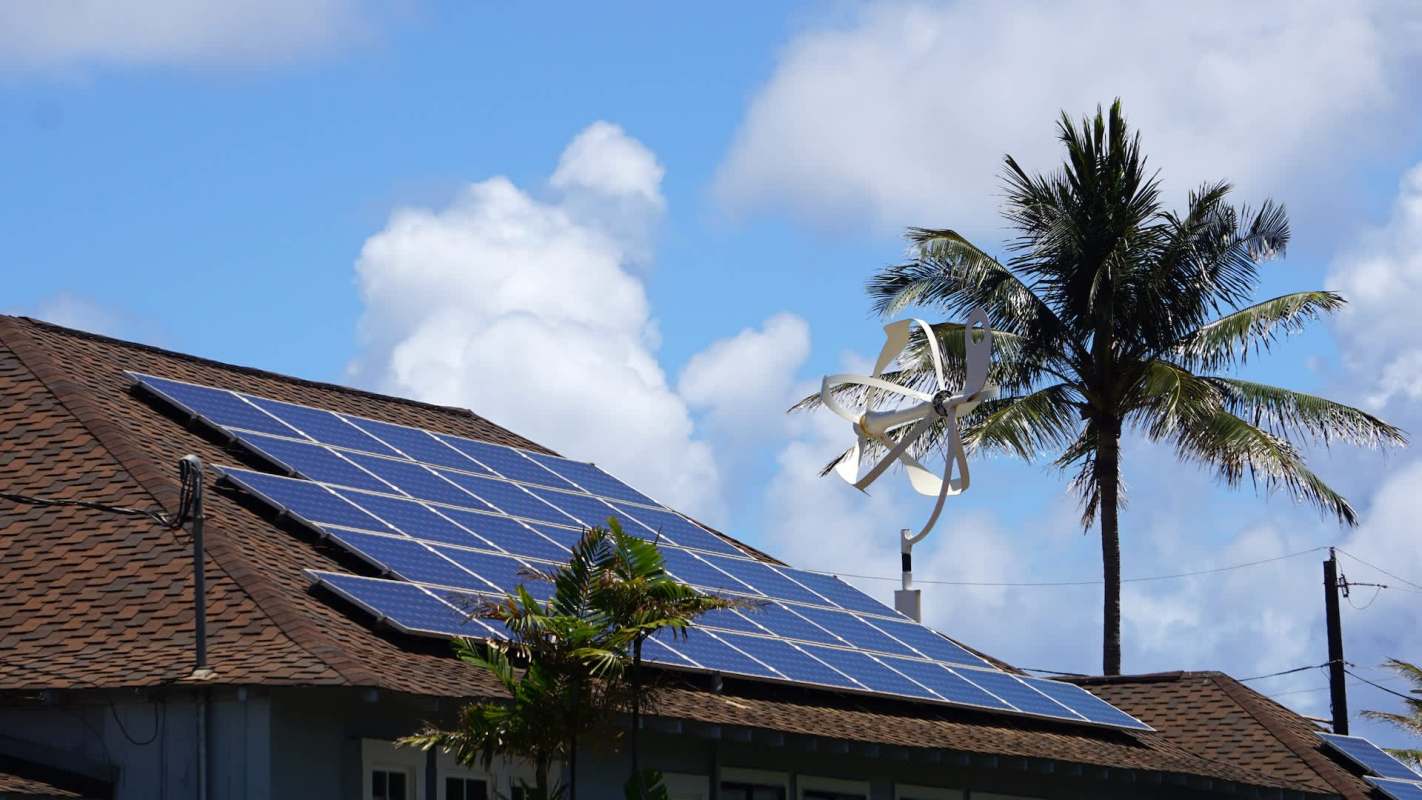
Hawaiʻi's governor has stepped in to stabilize the state's solar market after a recent change to tax credits left installers and customers worried about projects already in the pipeline.
The move preserves access to Hawaiʻi's 2026 solar tax credit for qualifying systems and could help protect households from higher energy costs in a state where electricity bills are already a major burden.
What happened?
Governor Josh Green's office said Friday's Executive Order 26-02 protects renewable energy technology systems that come online during 2026, according to the Hawaiʻi Tribune-Herald.
If a taxpayer can show that, before Act 24 was signed on May 21, 2026, they made financing, planning, design, permitting, or installation commitments because they reasonably expected to receive the credit, the system will be excluded from Act 24's annual $40 million cap, according to the Hawaiʻi Tribune-Herald.
Beginning in 2027, Act 24 places a $40 million yearly limit on Hawaiʻi's Renewable Energy Technologies Income Tax Credit, or RETITC, and ends the credit in 2030.
The law also created confusion for some people who invested early in 2026, raising concerns throughout the solar industry.
TCD Picks » Quince Spotlight
💡These best-sellers from Quince deliver affordable, sustainable luxury for all




The office said the order also supports Executive Order 25-01, an earlier directive that treated distributed solar as a key part of Hawaiʻi's energy plans.
As the order states, "Distributed solar energy has been, and will continue to be, a leading contributor to the state's sustainability and resiliency goals."
Why does it matter?
For many families, businesses, and nonprofits, rooftop solar is one of the most direct ways to lower monthly utility bills.
Hawaiʻi Solar Energy Association Executive Director Rocky Mould said, "Families, businesses and non-profits with solar have been able to cut their electricity bills by hundreds of dollars per month."
Rooftop systems already serve nearly half of households across Hawaiʻi, and the state has the highest per-capita residential rooftop solar adoption rate in the country.
By cutting demand on the grid, those systems can also put downward pressure on rates for customers who do not yet have solar, including renters and lower-income families.
In an island state vulnerable to fuel price swings and grid disruptions, distributed solar can help communities rely less on imported energy and more on local clean power.
What's being done?
For people and companies that made good-faith commitments before the law changed, the order is intended to provide immediate relief.
Those investments can still move forward if taxpayers document that they made the commitments under the earlier credit structure.
The administration said the Hawaiʻi State Energy Office, the Department of Taxation, and the Department of the Attorney General helped develop the order.
At the same time, the administration says it preserves the legislature's changes for 2027 and beyond while addressing the immediate uncertainty surrounding projects already in the pipeline.
Executive Order 25-01 set targets to add 50,000 more rooftop solar systems on Oahu by 2035 and to move the neighbor islands to 100% renewable energy 10 years sooner.
As Chief Energy Officer Mark Glick said, "It demonstrates the continued commitment of the Green administration to clean energy for Hawaiʻi and immediately resolves the most pressing concerns of solar installers and customers around Act 24."
In Mould's words, "With each installation, Hawaiʻi's grid becomes cleaner and more resilient — community by community, rooftop by rooftop."

Get TCD's free newsletters for easy tips, smart advice, and a chance to earn $5,000 toward home upgrades. To see more stories like this one, change your Google preferences here.






