


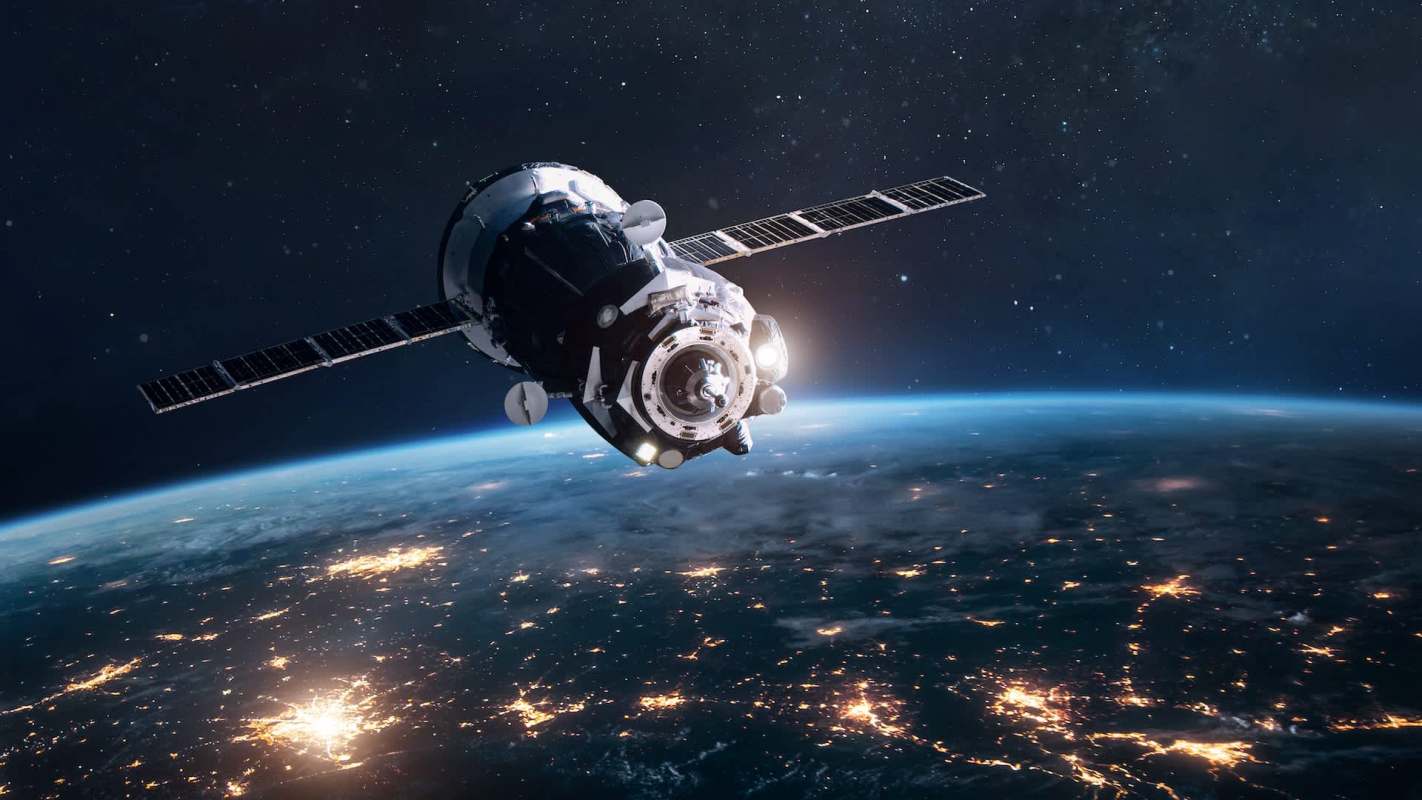
The race to place more satellites above Earth could bring faster internet, more computing power, and even new clean-energy concepts.
However, scientists say the same boom could also crowd the night sky, pollute the upper atmosphere, and reshape climate patterns in ways researchers still do not fully understand.
What happened?
According to Inside Climate News, the Federal Communications Commission is weighing requests from Reflect Orbital, Blue Origin, Starcloud, and SpaceX as those companies pursue large new satellite constellations that could be launched over the next several years.
P.J. Blount, a space law expert, said the growing momentum behind these projects is increasingly tied to competition, calling it "all of it is a land grab."
In promoting the projects, the companies have pointed to possible everyday benefits, including wider broadband coverage and more AI computing capacity in orbit.
Reflect Orbital has also said its system could provide "clean, on-demand energy without increasing fossil fuel use."
TCD Picks » Quince Spotlight
💡These best-sellers from Quince deliver affordable, sustainable luxury for all




What alarms researchers most is the sheer scale. More than 15,000 satellites, active and inactive, are already circling Earth, and the proposed additions would mean thousands of launches and re-entries every year.
That concern has already been raised with regulators. In comments submitted to the FCC, the Center for Space Environmentalism called the proposals "a massive industrialization of orbit that poses severe collision risks."
Astronomer John Barentine warned, "We are teetering on the precipice of how the uses of space are changing, and that threatens our ability to use space."
Why does it matter?
The problem, scientists say, is not limited to a busier sky. Studies suggest that when satellites burn up on re-entry, the metal particles they leave behind can alter atmospheric temperatures and wind patterns, with possible effects that extend to climate systems near the ground.
Every launch and re-entry can also add soot, greenhouse gases, and other pollutants to the atmosphere, damaging the ozone layer and disrupting atmospheric chemistry.
Scientists also warn that a brighter, more crowded night sky could make astronomy harder, disturb ecosystems, and weaken the connection people have maintained with the stars for thousands of years.
Cleaner air, stable climate systems, and healthy ecosystems all support food production, public health, and community well-being.
Experts say innovation in space need not halt, but regulators may need stronger environmental reviews and clearer rules before approving projects on such a massive scale.
Prakash Kashwan, an associate professor of environmental studies at Brandeis University, said, "We need to more strongly assert the collective common stake that humanity has in outer space, and it needs to be managed accordingly."

Get TCD's free newsletters for easy tips, smart advice, and a chance to earn $5,000 toward home upgrades. To see more stories like this one, change your Google preferences here.






