


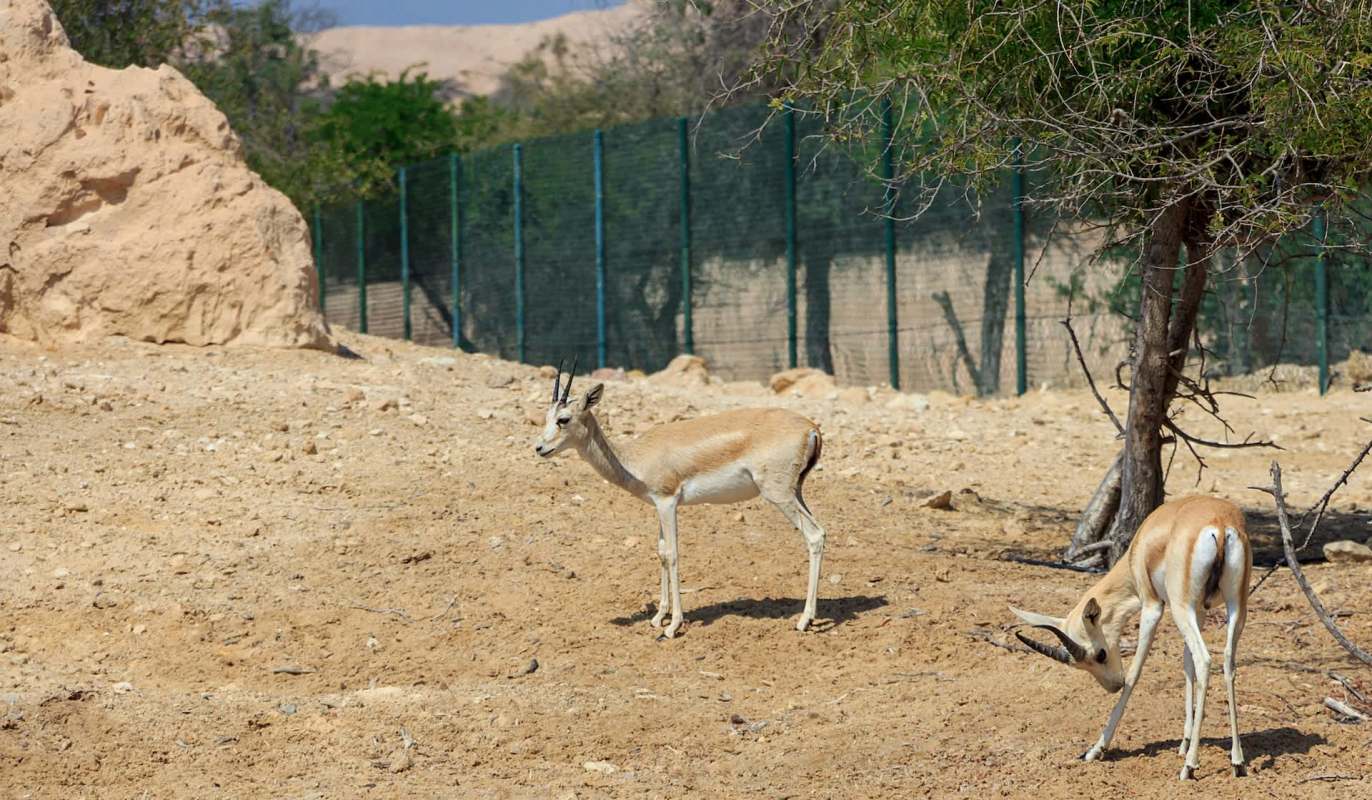
A threatened desert gazelle in Saudi Arabia is showing encouraging signs of recovery.
Sand gazelles are once again giving birth in the wild, and more than 40 births were recorded in the opening months of 2026.
Those births provide early evidence that conservation efforts may be achieving their goal of helping the species rebound in its natural habitat.
What happened?
Officials at Imam Turki bin Abdullah Royal Reserve in northeastern Saudi Arabia recorded more than 40 Arabian sand gazelle births from the start of 2026 through the end of the first quarter, the Saudi Press Agency reported.
Wild sand gazelles have spent years under pressure from intensive hunting, habitat loss, and land degradation, a combination of threats that can steadily push a species toward extinction.
"Over the past decades, sand gazelle numbers declined significantly due to multiple human and environmental pressures, especially intensive hunting using vehicles and modern firearms, as well as habitat loss and degradation," one official told Arab News.
TCD Picks » Quince Spotlight
💡These best-sellers from Quince deliver affordable, sustainable luxury for all




"It also signals a shift from simply preventing further decline to building stable wild populations capable of sustaining themselves long term," the official continued.
Wildlife recovery is often measured not just by whether animals are surviving, but also by whether they are reproducing successfully in their natural habitat without constant human intervention.
Why does it matter?
Breeding in the wild can signal that conditions are becoming safer for a native species and that an ecosystem is functioning better. Here, the births suggest progress in protecting habitat and easing poaching pressure in one of the region's fragile desert environments.
Healthy wildlife populations help support biodiversity, strengthen food webs, and preserve landscapes that local communities have lived alongside for generations. They can also build confidence that conservation investments, from enforcement to habitat management, are producing meaningful results.
Recovery is possible, even for threatened animals, when sustained protection is taken seriously. Measurable gains like this show that policy, stewardship, and patience can lead to real change.
The sand gazelle's return is still in its early stages, but it is real.

Get TCD's free newsletters for easy tips, smart advice, and a chance to earn $5,000 toward home upgrades. To see more stories like this one, change your Google preferences here.







