


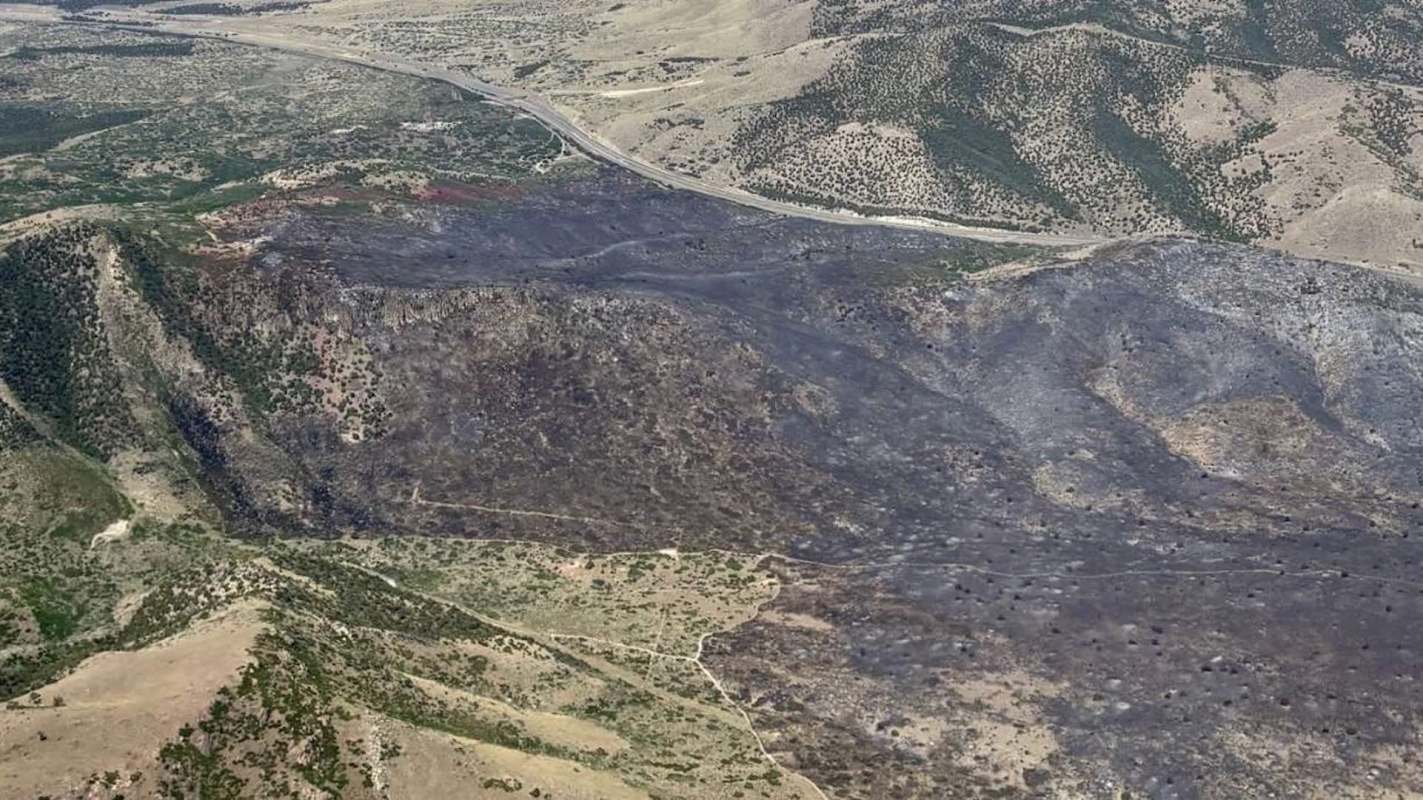
Fire officials in Utah tightened restrictions again in mid-June, despite a mild improvement in the state's drought map.
Land managers in central Utah said the mix of dry conditions and rising wildfire danger still calls for tougher limits.
What happened?
Beginning June 12, Stage 1 fire restrictions began applying to Bureau of Land Management property in Juab and Millard counties.
KSL reported that state land managers also issued a similar order for Juab and Sanpete counties, covering state lands and unincorporated private lands in those areas.
The restrictions bar open flames and campfires that use solid fuels or other ash-producing materials, except in grills or fire rings at developed campgrounds or day-use areas on public state lands with pressurized running water. Permanently built fire pits at private residences are still allowed if the property has a pressurized water system.
Smoking is only allowed inside a vehicle or enclosed area. KSL noted that the order also prohibits metal grinding, cutting, and welding, including the use of internal combustion engines that lack spark-arresting devices. People who violate the rules could face fines, restitution fees, or jail time.
TCD Picks » Quince Spotlight
💡These best-sellers from Quince deliver affordable, sustainable luxury for all




The new orders come as some drought indicators have moved in a better direction statewide. At the time, the U.S. Drought Monitor reduced Utah's extreme drought coverage from 60% last week to 43%. Still, nearly 95% of the state remained in severe drought, and statewide fire potential is still above normal.
Why does it matter?
Up to June 12, Utah had already recorded nearly 250 fires in 2026, burning more than 12,000 acres, KSL reported. That emphasizes why officials are trying to prevent any new spark from turning into a larger wildfire.
Wildfires can threaten homes, force evacuations, close roads, and fill the air with smoke that worsens asthma, heart conditions, and other health problems. They can also disrupt local businesses, agriculture, and tourism.
What's being done?
Stage 1 restrictions are intended to reduce human-caused ignitions before they can become fast-moving fires, especially in places where vegetation remains highly flammable despite some recent drought improvement.
Officials are also continuing to update fire-restriction information statewide through Utah Fire Info.
Officials said improving drought conditions in some parts of Utah do not mean the danger is over.
"As fire danger continues to increase across the region, fire managers are asking the public to use caution with any activity that could spark a wildfire," said Kayli Guild, fire prevention and communications coordinator for the Utah Division of Forestry, Fire, and State Lands, per KSL.

Get TCD's free newsletters for easy tips, smart advice, and a chance to earn $5,000 toward home upgrades. To see more stories like this one, change your Google preferences here.







