


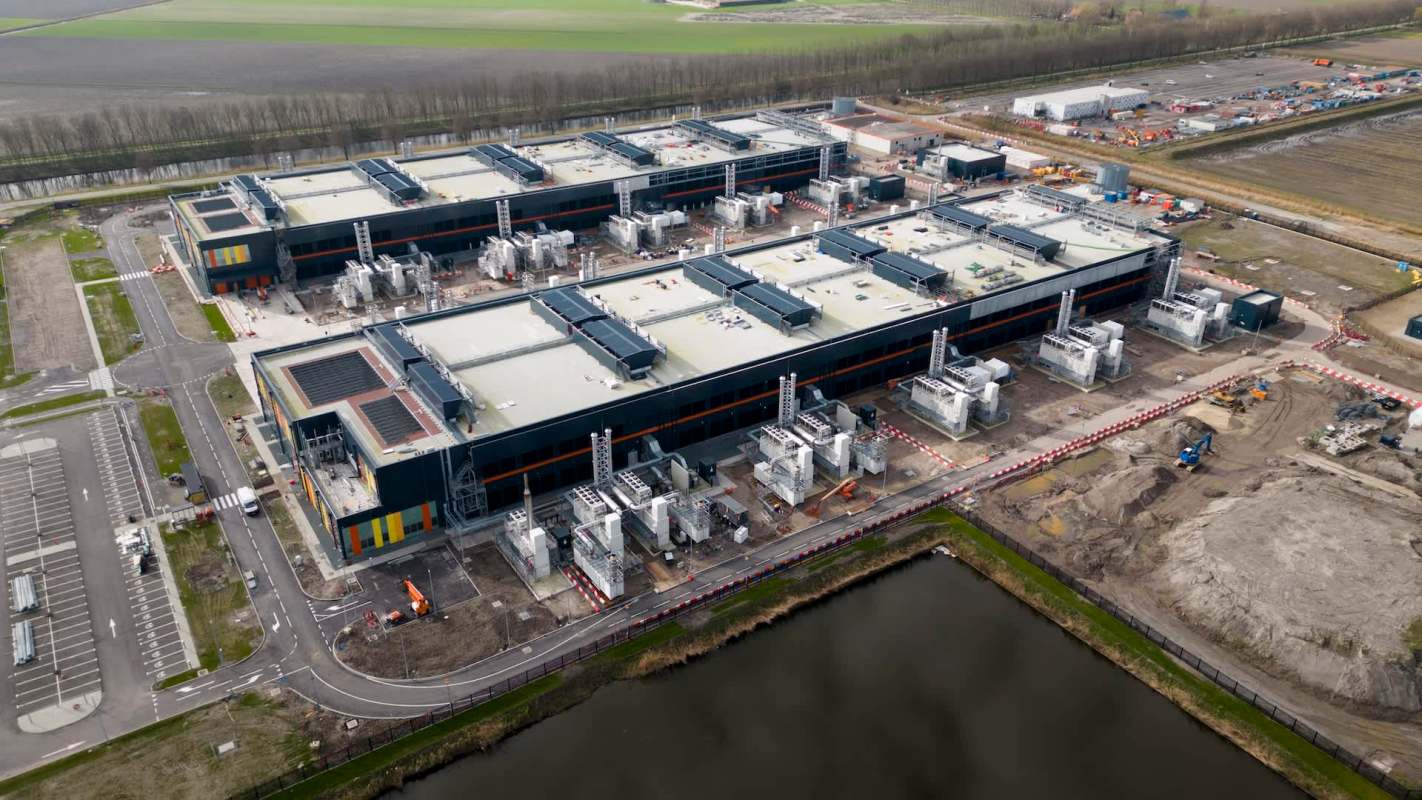
Residents in Scotland are pushing back against plans for two massive AI data centers, with critics warning that the projects could strain local infrastructure and the power grid while delivering far fewer community benefits than promised.
The opposition has intensified as planning documents have surfaced and campaign groups have organized against the developments.
What happened?
At the center of the dispute are two proposed hyperscale facilities, a 300-megawatt development in Larbert, Stirlingshire, and a 600-megawatt project near Auchtertool in Fife. Both have drawn objections from residents and environmental groups.
According to the Daily Record, the larger plan was revealed first and was described as covering over 50 football pitches. Roughly a week later, developer Apatura's Larbert proposal also became public.
A wider worry is the electricity these projects could consume. According to research by Action to Protect Rural Scotland, if all 16 major data centers currently in planning were approved, their combined power use would reach about 1.5 times Scotland's winter peak electricity demand.
"People don't want Scotland to become a dumping ground for these huge AI data centres. They're gigantic with some using the energy of two cities," APRS Director Kat Jones said, per the Record. She also described industry claims as "Olympic-level greenwashing."
TCD Picks » Quince Spotlight
💡These best-sellers from Quince deliver affordable, sustainable luxury for all




Why does it matter?
In this case, critics say the main issue is the scale of the projects.
Hollow job promises have become another pressing issue, as Apatura says the Larbert site would bring 5,000 construction jobs plus 500 positions after it opens. Skeptics note that data centers often operate with relatively small permanent staff. Jones argued that the developments primarily benefit "big U.S. tech giants," while local communities would be left to deal with the disruption.
Artificial intelligence can provide benefits, including helping utilities balance electricity demand, improve grid efficiency, and support cleaner energy systems. At the same time, the infrastructure that powers AI can require enormous amounts of electricity and water; it also raises concerns about cybersecurity, land use, and household costs if power grids are pushed to expand too quickly.
What are people saying?
Local campaigners say they are not convinced by the pitch.
Tasha Marsden, a leader of the Say No to Larbert Data Centre campaign, told the Record: "They can't even tell us what these mystical jobs are. How can we trust them?"
Residents have also raised concerns about their voice and traffic. "There are people who are literally direct neighbours of the development who only found out about it last week," retired Larbert resident Michael Maciocia said.
Apatura said the site would help meet "Scotland's growing demand for secure, sustainable data capacity" and employ "cutting-edge digital capability with low-carbon design."

Get TCD's free newsletters for easy tips, smart advice, and a chance to earn $5,000 toward home upgrades. To see more stories like this one, change your Google preferences here.






