


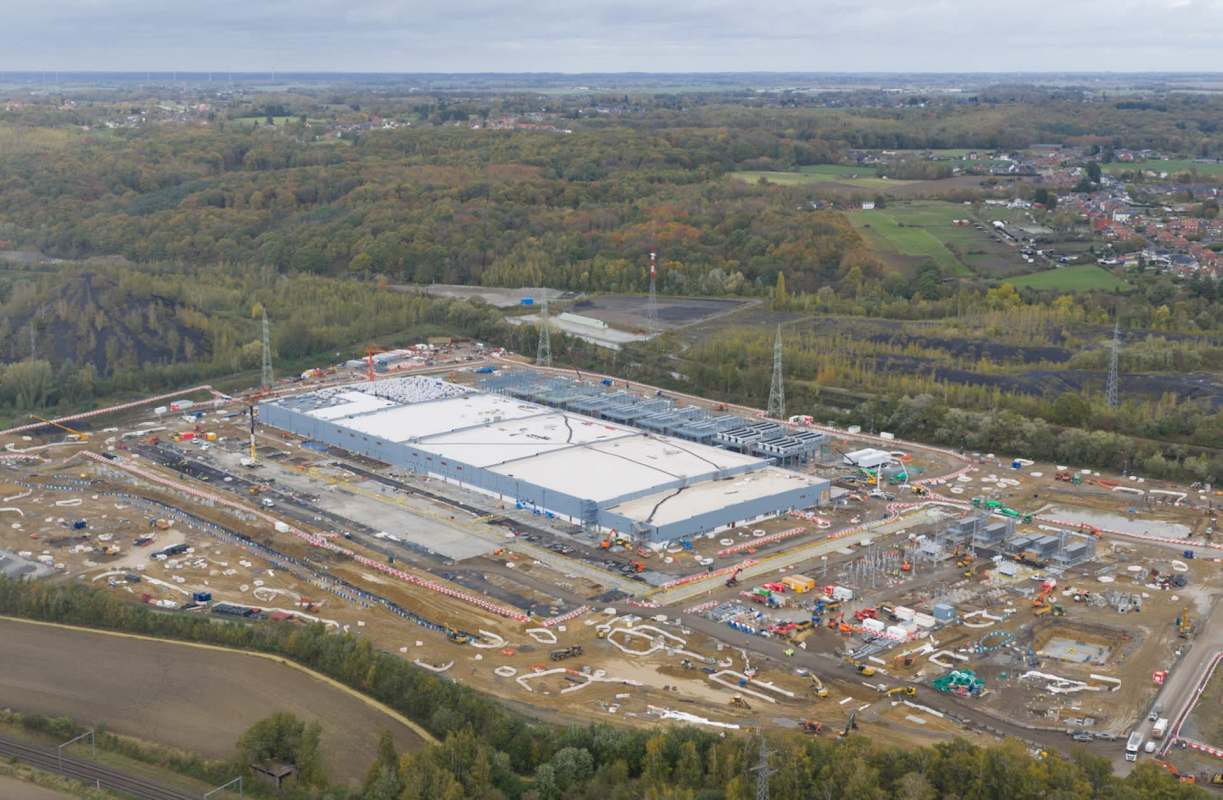
Resistance to AI data centers is drawing support from members of both major political parties, uniting conservatives and liberals in places from Utah to New Jersey.
In many towns, opponents of the proposed facilities say that they push up power bills; consume scarce water; and reshape quiet communities into loud, polluted industrial sites.
Hyperscale artificial intelligence data centers are sprawling complexes, sometimes larger than 1 million square feet and require vast supplies of electricity and water.
Community fights against the facilities are spreading just as project proposals are, with neighborhood groups turning to town council and zoning board meetings to try to stop projects before approvals are granted.
It makes sense that Americans agree in their opposition. One Carnegie Mellon estimate found that the growth of data centers could raise Americans' energy bills by 8% across the country and up to 25% in data center-heavy areas.
In Utah, protestors pressured officials to shrink a proposed Stratos data center site from 40,000 acres to 20,000 acres, per Salon.
TCD Picks » Quince Spotlight
💡These best-sellers from Quince deliver affordable, sustainable luxury for all




In New Jersey, organizer Kayleigh Henry said public pressure made a difference. She told Salon that advocacy helped prevent several data center projects in the Garden State, saying, "Without a doubt, every single meeting I went to, over 100 people went and tried to speak and tell the council how much it meant to them that their community stay safe and is not affected by these data centers."
She added that "after about three to four council meetings, they finally understood the importance of actually banning these centers because the people cared so much."
While AI has the potential to help society, including by accelerating scientific research and creating efficiency improvements, the computing power behind it is driving massive energy demand that Americans already largely resent.
Beyond energy bill concerns, residents are worried about constant noise, land-use changes, and onsite generators that can add to local pollution.
At the same time, many communities feel they are being asked to absorb the costs of the AI boom — whose benefits are still taking shape — alongside risks that include heavy resource use, security and misuse concerns, and unintended economic consequences.

Get TCD's free newsletters for easy tips, smart advice, and a chance to earn $5,000 toward home upgrades. To see more stories like this one, change your Google preferences here.






