


Food industry leftovers may have found an unexpected second life.
At ETH Zurich, scientists say byproducts from dairy and tofu production can be converted into porous beads that remove carbon dioxide from the air, a step that could make carbon removal less costly and more environmentally friendly.
What happened?
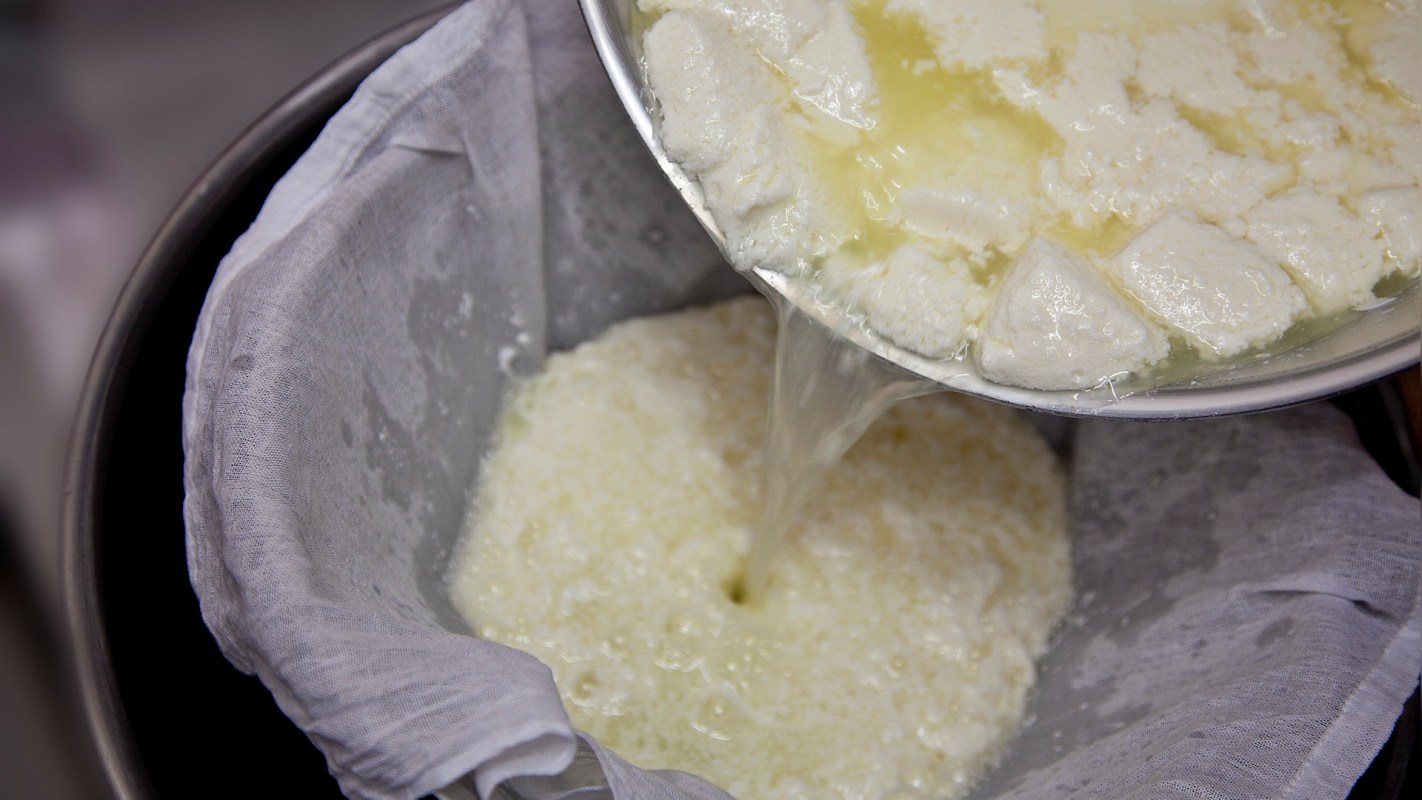
In research published in PNAS, the ETH Zurich team used protein-rich waste such as whey and leftover liquid from tofu manufacturing to make direct air capture beads. The scientists extracted the proteins, reorganized them into amyloid strands, then blended them with potassium hydroxide and formed the mixture into porous beads.
The concept is relatively simple: take a waste stream that is often discarded and turn it into a material that helps clean up pollution already in the atmosphere.
As materials scientist Raffaele Mezzenga explained, "The resulting material is like a sponge that can absorb large quantities of CO2 via the potassium hydroxide."
Lead author Zhou Dong said, "In our tests with ambient air, we were able to extract 97 milligrams of CO2 with one gram of material," adding that it performed about 10% to 50% better than standard direct air capture systems.
TCD Picks » Quince Spotlight
💡These best-sellers from Quince deliver affordable, sustainable luxury for all




Why does it matter?
Cutting new pollution is only part of the climate challenge. Scientists have said the world will also need methods capable of removing large amounts of carbon dioxide that are already heating the planet.
Improved carbon capture technology could help ease some of the worsening effects tied to rising temperatures, including extreme heat, wildfire smoke, and stronger storms that make everyday life more dangerous and expensive.
Another possible benefit of the ETH Zurich approach is lower energy use, one of the main downsides of direct air capture. Many current systems rely on substantial heat and pressure changes to release the CO2 they trap.
Here, the process uses alternating gentle acid and base sprays for around 10 minutes at room temperature, which could reduce operating costs for cities and companies working to cut emissions.
Lab trials found the beads still worked after 30 capture-release rounds, and the researchers said they could later be reused as fertilizer or turned into biofuel.
"The synthetic materials that are used to capture CO2 today decompose quickly," Dong said. "By contrast, our protein beads remain stable for a long time."
"We're confident that the technology is scalable," Mezzenga said. He added, "Our technology is cheaper and more sustainable because it requires little energy and is based on a widely available waste product. That could be a game changer for the future of removing CO2 from the air."
Mezzenga also noted, "The materials we use for this process are non-toxic and are food-grade."

Get TCD's free newsletters for easy tips, smart advice, and a chance to earn $5,000 toward home upgrades. To see more stories like this one, change your Google preferences here.






