


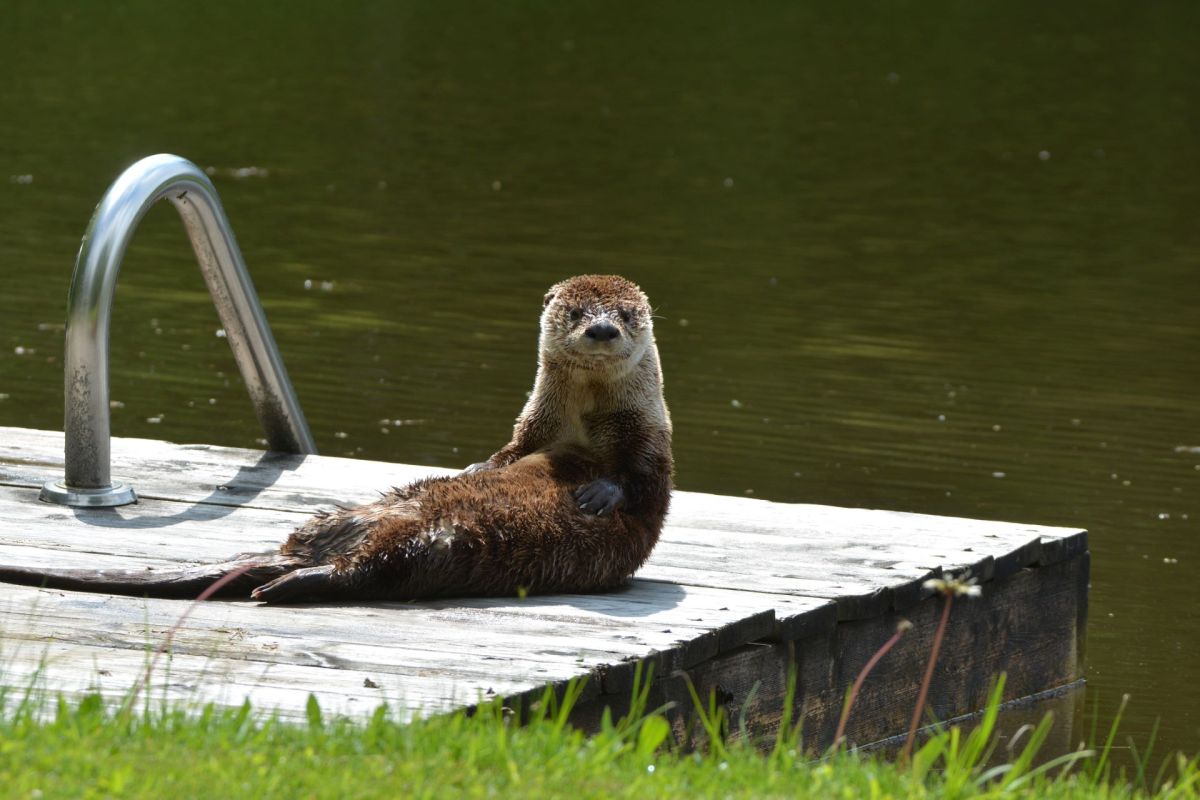
From waters near Washington, D.C., to downtown Norfolk and Baltimore's Inner Harbor, river otters are showing up in urban parts of the Chesapeake region that once seemed like unlikely habitat.
That marks a dramatic change for an animal that had largely vanished from much of the watershed only a few decades ago.
What's happening?
Wildlife officials say the species, which many states in the Chesapeake Bay region once considered endangered, has expanded into city waterways long considered unsuitable for otters.
According to the Chesapeake Bay Journal, sightings have included Rock Creek Park and Anacostia in the Washington, D.C. area, all branches of the Elizabeth River near Norfolk, and a floating wetland in Baltimore's harbor.
Some of those waterways were once major pollution hot spots.
Part of that rebound traces back to reintroduction work. Tom Serfass, a river otter expert at Frostburg State University, helped lead efforts in Pennsylvania beginning in the 1980s after otters had disappeared from most of the state. Maryland, Virginia, West Virginia, and New York also carried out similar restoration work.
TCD Picks » Quince Spotlight
💡These best-sellers from Quince deliver affordable, sustainable luxury for all




Serfass said the recovery now seems to extend far beyond rural areas. In Maryland, otters have been seen crossing the full length of the Chesapeake and Ohio Canal towpath, a place where they were absent only a few decades ago.
Why does it matter?
Because otters are a top-of-the-food-chain creature, their return can signal that rivers are supporting healthier fish populations and stronger ecosystems overall.
"You can't have otters in a body of water unless there's a healthy enough ecosystem to support them," said Victoria Dunch, a researcher with the Elizabeth River Project, via the Chesapeake Bay Journal.
Cleaner rivers can mean safer areas to enjoy nature, stronger local fisheries, and neighborhoods that benefit from restored waterfronts rather than being next to polluted, neglected waterways.
In places like Norfolk and Baltimore, otters are illustrating that restoration work and water-quality regulations can make a difference.
What are people saying?
Experts say the otters' return reflects meaningful progress.
"We have a major conservation success story in terms of restoring a predatory animal that had declined significantly," Serfass said. "It's a good example that some of the water quality regulations have worked."
The speed of the animals' return to urban areas has also surprised observers. After otters appeared on Baltimore's new floating wetland before it was even completed, Taylor Long of the National Aquarium said, "It's just wild how quickly they showed up. We're still very surprised about it."

Get TCD's free newsletters for easy tips, smart advice, and a chance to earn $5,000 toward home upgrades. To see more stories like this one, change your Google preferences here.







