


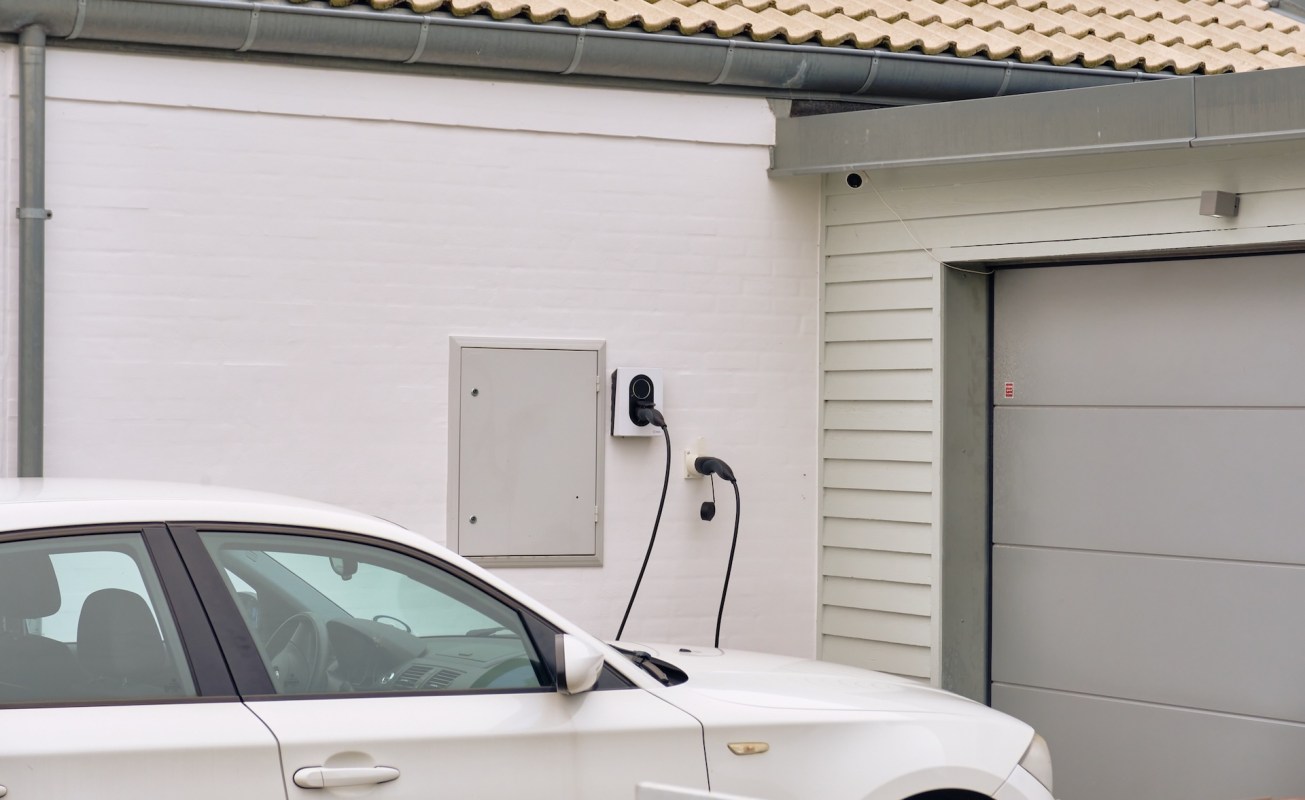
For many drivers, plugging in an electric vehicle simply means preparing for the next day's commute.
In one small Swedish neighborhood, however, it can also mean helping keep the lights on at home.
In a housing association near Hudiksvall, eight families reportedly connect their EVs to a shared energy setup that lowers electricity bills and can help supply backup power when demand jumps or the grid fails.
What's happening?
According to AFP (h/t Tech Xplore), residents in the small Swedish community are using electric cars to send electricity back into their homes. That gives the families access to the energy stored in the vehicles when household power needs rise.
Software controls when that energy moves, charging the cars during cheaper off-peak periods and drawing from them during high-demand stretches or blackouts. The system relies on bidirectional chargers, which make it possible for the vehicles to run appliances, lighting, and other electrical systems in the flats.
Resident Filip Kiltorp explained how the system works in practice.
TCD Picks » Quince Spotlight
💡These best-sellers from Quince deliver affordable, sustainable luxury for all




"We use the cars to power our homes when our energy demand is high," he told AFP. "Living here is undeniably cheaper. We use the same amount of electricity as other homeowners, but our bill is much lower."
AFP reported that the homes also share a heat pump and use rooftop solar panels along with stationary battery storage.
Why does it matter?
EVs can do more than replace gas-powered cars. They can also serve as flexible home batteries, helping families reduce energy costs without changing how much electricity they use.
As power prices fluctuate and extreme weather fuels concerns about outages, one vehicle battery can meet a home's needs for roughly five to seven days, creating an extra layer of resilience during blackouts and other disruptions.
When many homes charge during low-demand periods and send power back during peak times, it can ease strain on the grid and reduce the need for more expensive electricity during the busiest hours.
The model points to a future in which parked EVs help stabilize local energy systems while also saving drivers money.
What's being done?
The Swedish effort is a pilot project involving BRF Stenberg, Volkswagen, and Vattenfall, illustrating how housing groups, automakers, and energy companies can team up to make EVs part of everyday power use.
Nicholas Etherden, a researcher in energy systems at Gavle University, told AFP: "I call this a battery on wheels. … Cars drive about 5% of the time. Ninety-five percent of the time, they are standing still in a car park somewhere."
There are still barriers to wider adoption; AFP reported that expanding the approach would require many more EVs and bidirectional charging capability across vehicles.
Still, the pilot shows how EVs can work with home energy systems, solar panels, and battery storage to lower bills, make better use of clean power, and provide a cushion during outages.

Get TCD's free newsletters for easy tips, smart advice, and a chance to earn $5,000 toward home upgrades. To see more stories like this one, change your Google preferences here.






