


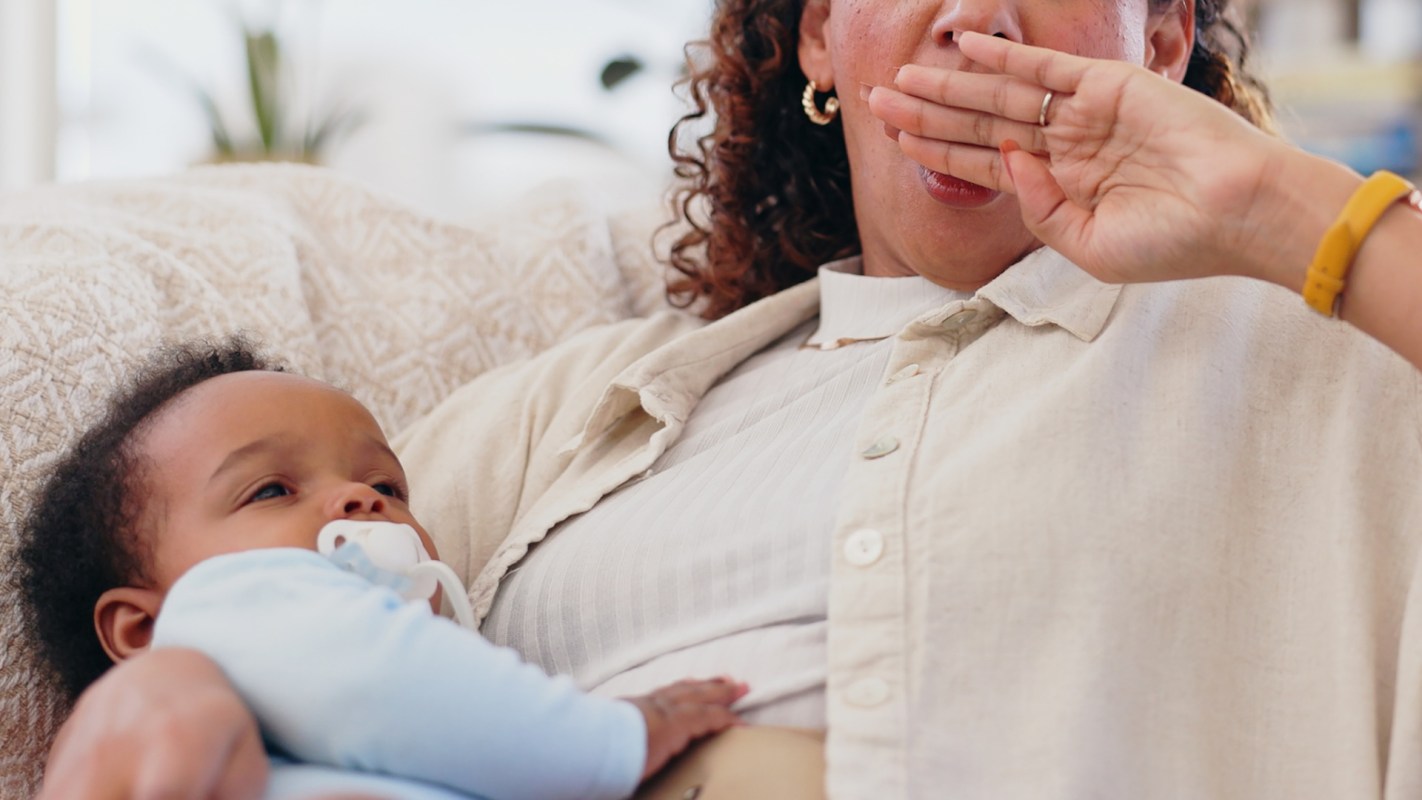
Bringing home a newborn can mean technically getting enough sleep, all while still feeling completely wiped out.
New findings suggest that for first-time mothers, the bigger problem may be broken-up sleep rather than the total number of hours they get.
What's happening?
Months after giving birth, mothers in a study presented at the American Academy of Sleep Medicine were still not managing even four uninterrupted hours of sleep, HealthDay reported, suggesting postpartum sleep problems may be worse than nightly totals alone indicate.
Researchers followed 41 first-time mothers ages 26 to 43, using Fitbit devices during the year before childbirth and throughout the first year after delivery to track their sleep.
The steepest decline came in the first week postpartum. Average nightly sleep fell from nearly eight hours before pregnancy to just over four hours, while the longest continuous stretch dropped from about five-and-a-half hours to a little more than two hours.
Help your baby sleep from night one — with 3 months of expert sleep support included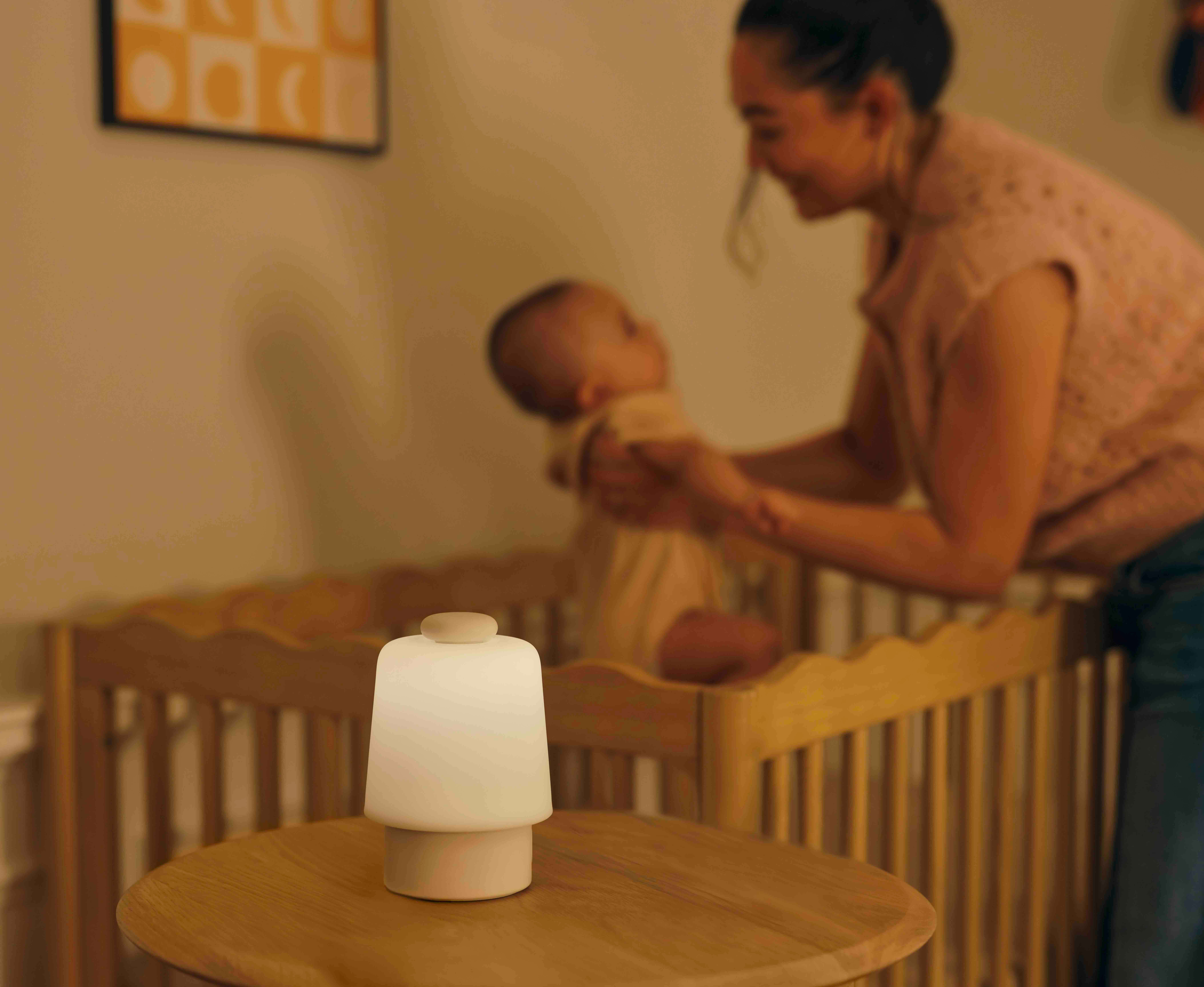 Hatch Baby is the all-in-one device and support system that uses soothing lights, science-backed sounds, and expert sleep guidance to help your baby sleep from night one. New parents will enjoy features like a soft nightlight for late-night feedings and diaper changes, plus the boop-able Big Button that controls volume and starts your baby's favorite sounds. Plus, every Hatch Baby comes with three free months of the premium experience, including a 24/7 sleep chat, age-based schedules, and a full library of premium audio and lights. Learn more → |

Total sleep gradually recovered, rising to more than six hours on average in Weeks 2-7 and to more than seven hours in weeks eight through Week 12. Even so, uninterrupted sleep remained limited, with the longest stretch averaging about three hours in Weeks 2-7 and about four hours in Weeks 8-13.
Why does this matter?
That pattern may help explain why many new mothers still feel exhausted even after their nightly sleep returns to seven or more hours.
"The significant loss of uninterrupted sleep in the postpartum period was the most dramatic finding," said lead researcher Teresa Lillis, an adjunct professor of psychiatry and behavioral sciences at Rush University Medical Center in Chicago. "These results fundamentally transform our understanding of postpartum sleep. It's not the lack of sleep, but rather, the lack of uninterrupted sleep that is the largest challenge for new mothers."
Fragmented sleep can make recovery from childbirth feel harder even after overall nightly sleep totals rebound.
Because the findings were shared at a medical meeting, they should be considered preliminary until they are published in a peer-reviewed journal.
What's being done?
For postpartum support, the study suggests families and care teams may need to prioritize longer protected sleep windows instead of assuming brief naps are enough.
HealthDay also reported that 32% of the mothers went more than 24 hours without sleep at some point during the first week with their baby.
"While mothers generally returned to their pre-pregnancy total nightly sleep duration after the first postpartum week, the structure of their sleep remained profoundly altered," Lillis said.
"Our results validate the lived experience of new mothers' exhaustion and provide a new target for sleep-related interventions," Lillis said. "Rather than simply encouraging mothers to 'nap when the baby naps,' our findings show that mothers would most benefit from strategies that protect opportunities for uninterrupted sleep."
Solutions do exist, though. Hatch Baby is an all-in-one smart sleep device and service that was created to help babies, toddlers, and parents get better rest.
How does Hatch help?
Hatch Baby is a go-to device for young and expecting parents, because the smart device actually changes as a child develops — from science-backed lights and soothing sounds for parents-to-be all the way to pink noise for newborns and sleep guides for the parents of toddlers.
The founders of Hatch had their own trouble sleeping (with and without babies) and so, a decade ago, they set out to create the ideal solution for everyone in the same boat. The Hatch Baby is no exception, especially because the brand knows the first months of parenting can be a big adjustment.
The Hatch Baby comes with three months of the full, premium experience, including a 24/7 sleep chat, in-app baby sleep guides with science-backed advice, and a full library of premium audio and lights.
As we know from the study presented at the American Academy of Sleep Medicine, maternal sleep schedules are crucial, especially in the months after delivery. Finding any solution that works is important to protect those Zzzs, and Hatch Baby could be a great option.

Get TCD's free newsletters for easy tips, smart advice, and a chance to earn $5,000 toward home upgrades. To see more stories like this one, change your Google preferences here.






