


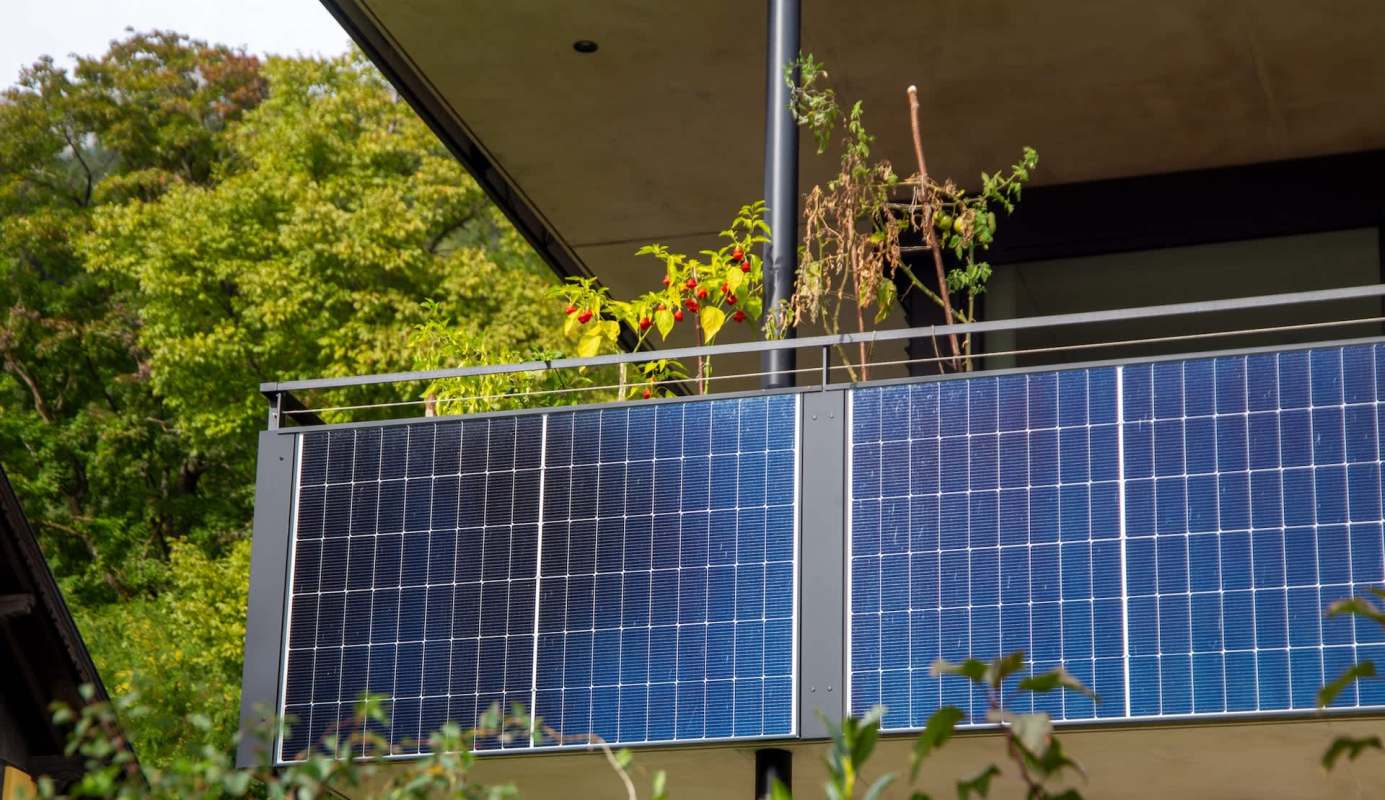
A proposal advancing in the California state legislature would let residents connect plug-in solar panels to the grid in apartments, on balconies, and in homes without facing permit delays or hiring an installer.
In a state known for high electricity prices and a large renter population, the change could make cheaper, cleaner power available to far more households.
What happened?
State lawmakers moved SB 868 forward this week, with the Assembly Committee on Utilities and Energy voting 18-0 in favor of the measure that would make plug-in, or "balcony," solar legal across California, according to CleanTechnica.
The technology is relatively simple. Residents can set up small solar panels and plug them into a standard outlet, helping offset household electricity use while avoiding much of the time, cost, and paperwork that often come with traditional rooftop systems.
Before it can become law, the proposal still has two more stops: the Assembly Committee on Appropriations and then the full Assembly.
After the committee vote, Sen. Scott Wiener, who introduced the bill, said, "SB 868 clears away the needless red tape that currently makes it infeasible for people to use this technology."
TCD Picks » Quince Spotlight
💡These best-sellers from Quince deliver affordable, sustainable luxury for all




Why does it matter?
Electricity costs in California remain high, while many people who could benefit most from solar, especially renters, are often unable to install full rooftop systems.
Plug-in solar could offer a more affordable, practical entry point. Rather than taking on a major home project, residents may be able to buy a smaller setup, place it on a balcony, patio, or other sunny area, and begin lowering their utility bills more quickly.
The measure could also help restore momentum in a state that has long been a national leader in solar energy but has seen the industry struggle after cuts to net metering policies. Those changes badly hurt the market and even contributed to major job losses.
Expanding small-scale clean energy can also reduce reliance on polluting power sources, helping cut planet-warming emissions and the dirty air associated with fossil fuel use.
What's being done?
Plug-in solar rules are already in place elsewhere. Colorado, Connecticut, Maine, Maryland, and Virginia already allow the technology, while other states are considering similar policies.
If SB 868 becomes law, California could become one of the largest markets yet for the technology, given its abundant sunshine, massive population, high energy prices, and large share of renters.
There are still procedural hurdles ahead. The CPUC's estimate of $200,000 to $500,000 in annual costs means the bill is expected to go to the Appropriations Committee's suspense file before an August hearing.
If the measure clears its remaining hurdles, Californians could soon have a simpler path to lower power bills through clean energy. As Wiener put it, "SB 868 clears away the needless red tape that currently makes it infeasible for people to use this technology."

Get TCD's free newsletters for easy tips, smart advice, and a chance to earn $5,000 toward home upgrades. To see more stories like this one, change your Google preferences here.






