


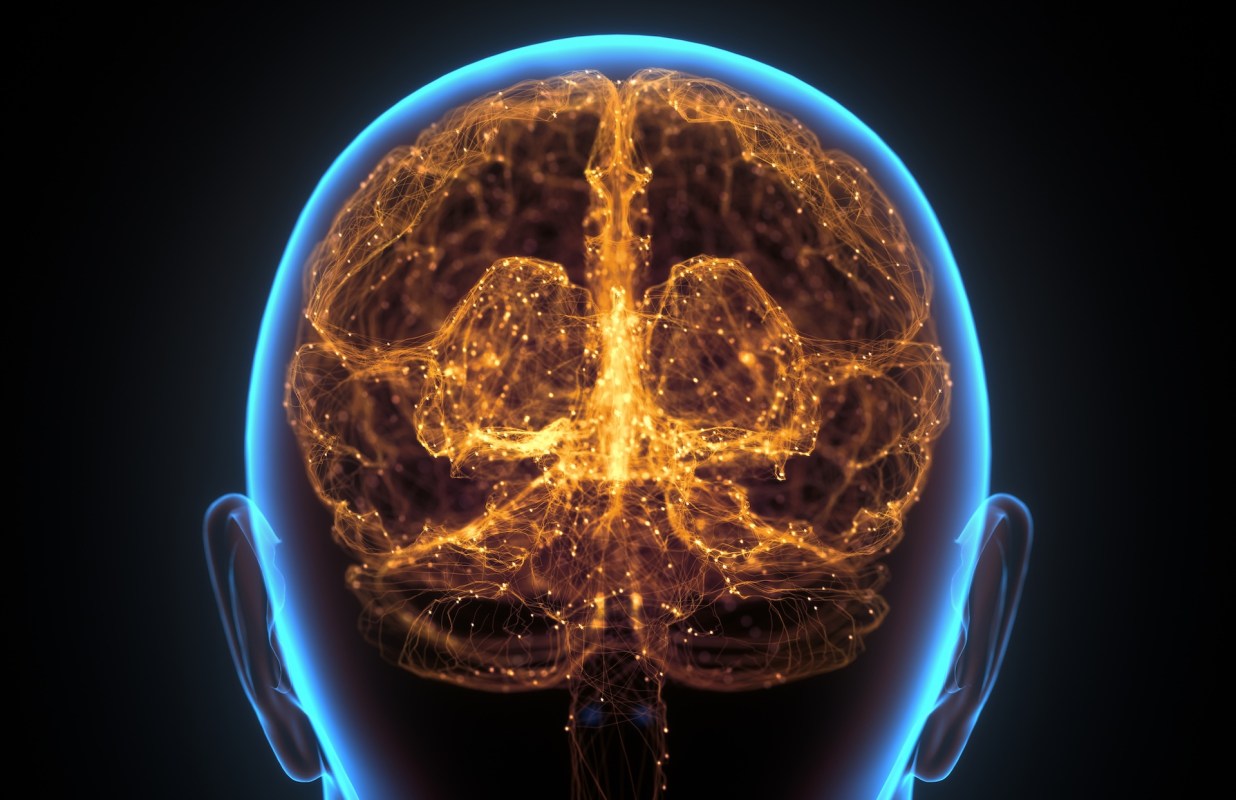
Researchers may have pinpointed a tiny brain routing center that could help explain how old memories are preserved even as new ones are added, as Earth.com described.
The study was done in mice, not people, but it gives scientists a fresh clue about how memory might stay durable and flexible at the same time.
What happened?
In a news release, NYU Langone Health researchers elaborated on how they simultaneously tracked activity in multiple memory-linked brain regions in freely moving mice.
The work, published in Nature, followed six mice as they ran back and forth along a straight path for water rewards while electrodes recorded signals from hundreds of neurons.
Researchers focused on the hippocampus, which helps convert experiences into memories, and the neocortex, where longer-term knowledge is stored.
The key finding centered on a small set of cells in the hippocampus's main relay, Earth.com noted. Roughly one-quarter seemed to take in much of the incoming traffic and then passed signals along using a different firing pattern.
TCD Picks » Quince Spotlight
💡These best-sellers from Quince deliver affordable, sustainable luxury for all




That same set of cells also stays active during sleep, including in the brief sharp-wave ripple bursts when the brain revisits the day's activity.
Researchers think that the nighttime process may help the brain reinforce memories without displacing older information that is already stored.
Why does it matter?
If future studies confirm the pattern, scientists may have a more exact place to examine when memory starts to decline.
Because Alzheimer's disease can impair both recall and navigation, problems in a shared brain "hub" might help explain why those symptoms can surface together.
"Our discovery of a 'memory switchboard' deep in the hippocampus may provide clues as to how memory circuits fail in Alzheimer's disease and other conditions that affect the brain's ability to recall events and find places," asserted study co-senior author Zhe S. Chen in the news release.
It does not mean a breakthrough therapy is around the corner, and it does not prove that human brains work exactly the same way as mouse brains.
However, it does give researchers and medical institutions a clearer target for future studies.
In artificial intelligence, a problem known as "catastrophic forgetting" means that learning something new can interfere with older knowledge.
A circuit that uses the same cells in different patterns could give AI researchers a biological example for building systems that keep learning without quickly losing what they already know.
What are people saying?
The researchers touted how the study shed light on the inner workings of memory.
"Our findings help explain how memory can be both moldable and enduring," co-lead author Joaquín Gonzalez said in the release. "By changing how the same cells fire together instead of turning on new cells, the brain can keep information organized and protect older memories.

Get TCD's free newsletters for easy tips, smart advice, and a chance to earn $5,000 toward home upgrades. To see more stories like this one, change your Google preferences here.






