


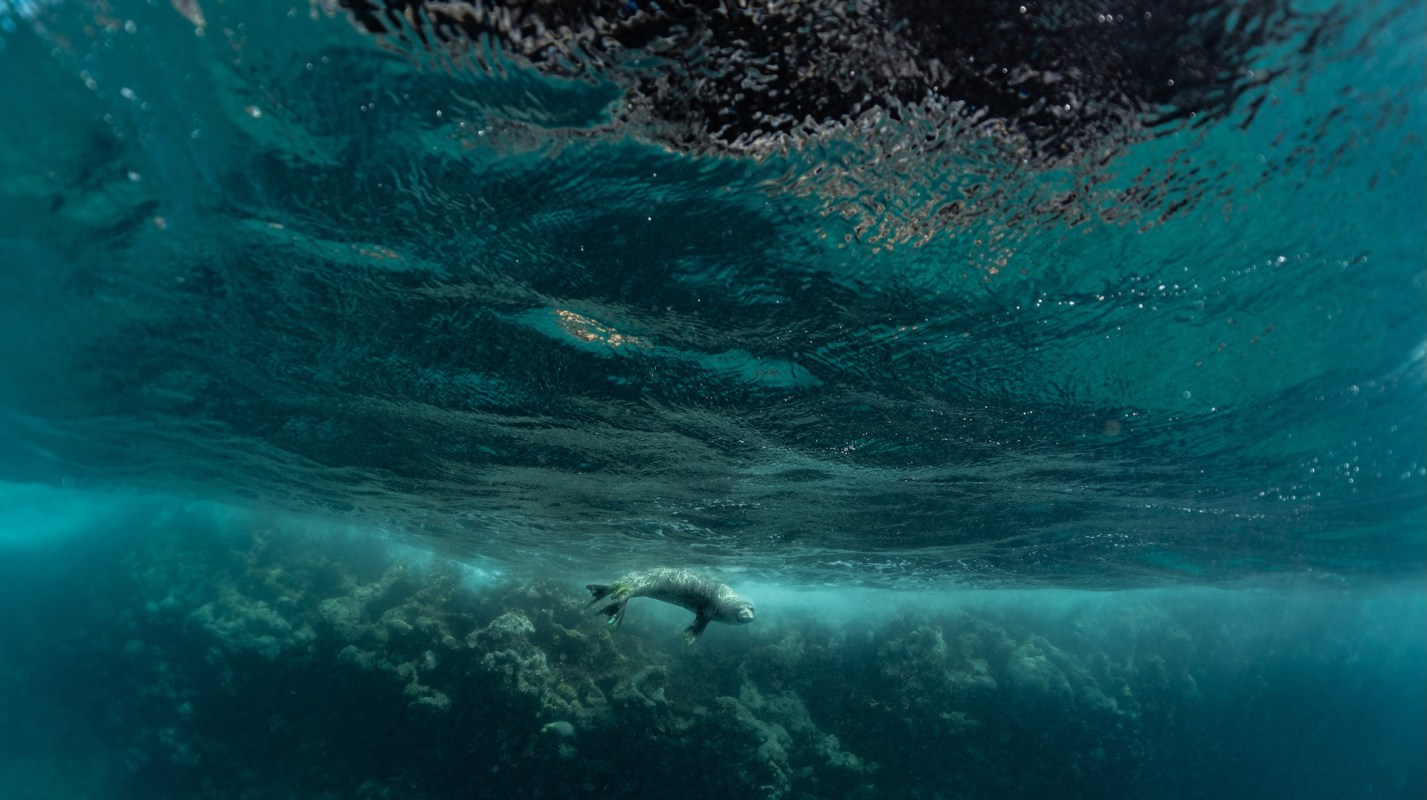
A new clash over federally protected Pacific waters is taking shape after President Donald Trump moved to restore commercial fishing access in sections of three marine national monuments.
The decision could reshape Hawai'i's seafood industry, threaten fragile marine habitat, and trigger another legal fight over who has the authority to decide the future of culturally significant ocean spaces.
What happened?
The executive order, proclaimed June 11, affects three Pacific monuments, allowing U.S. commercial fishing in much of Papahānaumokuākea and extending the same change to the Rose Atoll and Mariana Trench sites, Civil Beat reported.
For Papahānaumokuākea, the change applies to waters 50 to 200 miles from shore — the outer band added when President Barack Obama expanded the monument in 2016. Waters within the boundaries established under President George W. Bush remain off-limits.
"Restoring commercial fishing access to these vital areas reflects the continued commitment of this administration to American fisheries, which are built on the foundation of rigorous science, robust monitoring, strong enforcement, and the daily commitment of our dedicated fishermen," NOAA Administrator Neil Jacobs said in a news release.
Commercial fishing boats will not be able to enter the waters immediately, however. Federal agencies still must complete reviews and make rules before fishing can begin.
TCD Picks » Quince Spotlight
💡These best-sellers from Quince deliver affordable, sustainable luxury for all




Why does it matter?
For many Native Hawaiians, Papahānaumokuākea holds deep cultural significance, and scientists view it as one of the planet's most important marine refuges.
Critics say reopening the monument to fishing could erode protections for endangered species and sensitive ecosystems already under strain from warming seas and other climate-related pressures.
In Hawai'i, the conflict also touches on governance and livelihoods. Fishing advocates argue that broader access could support local seafood businesses, while opponents say any economic gains may come at the expense of ocean health and public stewardship.
Environmental groups are already challenging a similar order involving another Pacific monument, Pacific Islands Heritage. Papahānaumokuākea's additional status as a marine national sanctuary could further complicate the administration's authority in this case.
What are people saying?
Per Civil Beat, Maxx Phillips of the Center for Biological Diversity called the order "a reckless attack on the world's greatest ocean sanctuaries," adding, "Papahānaumokuākea is a sacred place and a refuge for endangered wildlife found nowhere else on Earth."
Native Hawaiian leaders also voiced opposition. "President Trump's most recent proclamation undermines two decades of public and stakeholder effort to protect this special region of Hawai'i," said Kekuewa Kikiloi, co-chair of the Office of Hawaiian Affairs' Native Hawaiian Cultural Working Group. "We're committed to holding the line and fighting this in court."
Industry representatives took a different view. Eric Kingma of the Hawai'i Longline Association told Civil Beat any future decisions "should be guided by sound science, respect for cultural and environmental values, and a balanced approach that supports conservation, food security, and the long-term viability of Hawai'i's longline fleet and associated local seafood companies."

Get TCD's free newsletters for easy tips, smart advice, and a chance to earn $5,000 toward home upgrades. To see more stories like this one, change your Google preferences here.






