


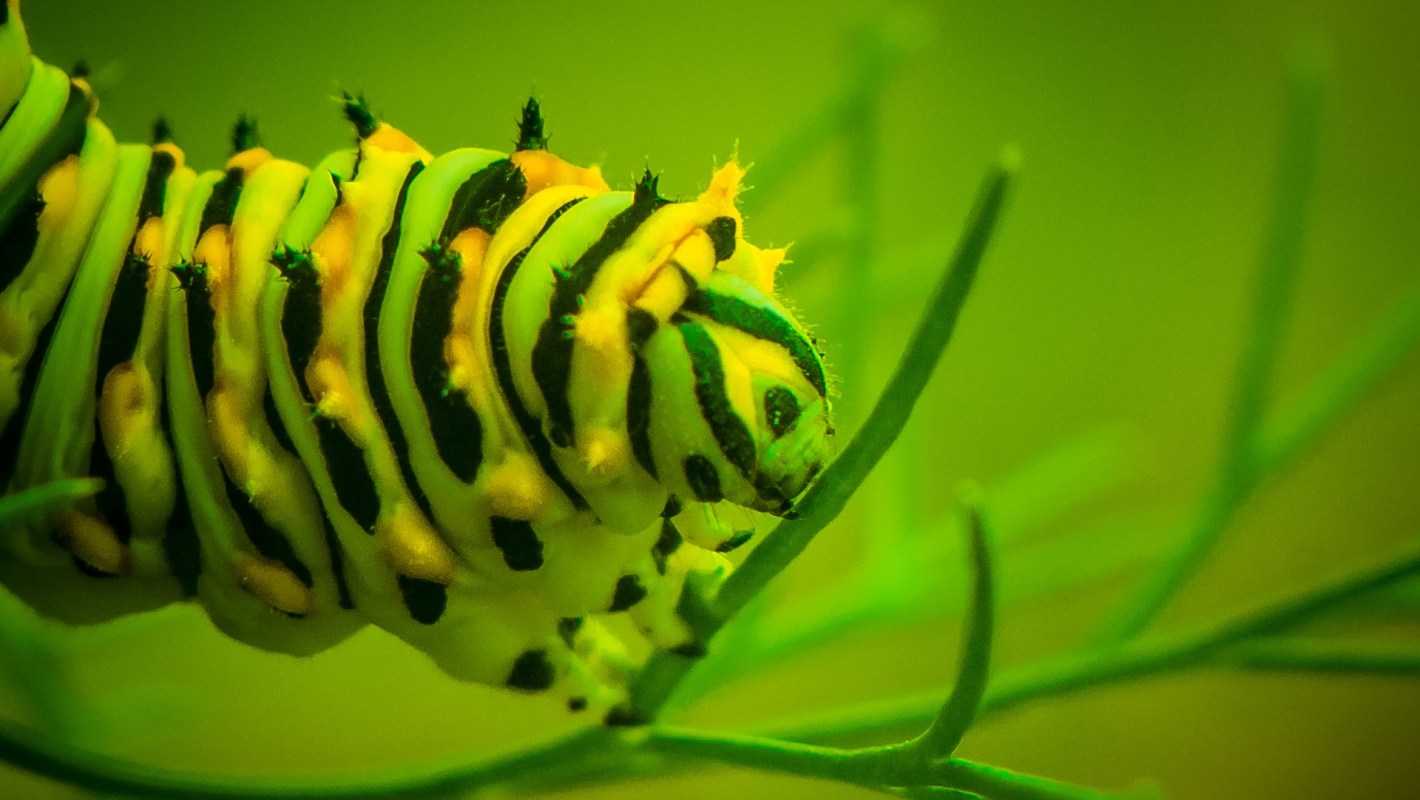
Butterfly caterpillars may be more selective in their food choices than researchers once thought, and their picky diets may show up in the very places where plant life is most abundant.
This finding upends a long-held ecological idea and may offer scientists a clearer view of how insects could respond as the climate continues to warm.
What's happening?
According to a new global analysis, currently available as a preprint in the journal Nature Communications, butterfly caterpillars may show their strongest "diet specialization" in the regions with the greatest plant diversity.
In simple terms, caterpillars that have more options of which plants to eat often go along with a narrower diet, according to a summary from Earth.com.
In work led by Stanford University biologist Collin P. Gross, researchers combined roughly 87 million field records with range maps for more than 10,000 butterfly caterpillar species and information on over 150,000 plant species.
The researchers then measured how specialized each caterpillar's diet was, based on the number of plant families it used as hosts and the degree of relatedness among those host plants.
TCD Picks » Quince Spotlight
💡These best-sellers from Quince deliver affordable, sustainable luxury for all




Caterpillars that fed more broadly were more common in colder places with fewer kinds of plants, while the most diet-specialized caterpillars were concentrated in the richest plant regions, particularly near the equator. The pattern appeared across more than 10,000 local butterfly communities, according to Earth.com.
Meanwhile, a Phys.org summary noted that the study also revealed how temperatures might affect caterpillar diets.
While plant-diverse areas may be linked to higher diet specialization because food-source variety is associated with lower pressure to feed broadly, the outlet wrote that "in hot climates, high temperatures were associated with broader diets ... because temperature stress and seasonal limitations can force caterpillars to use a wider range of plants."
Why does it matter?
Butterflies and moths play important roles in pollination, food webs, and healthy ecosystems, all of which ultimately support human communities.
Understanding which species are specialists and which are more adaptable can help scientists better predict which insects may struggle most as climate change continues to reshape habitats.
As species move toward the poles and adapt to changing environments and rising temperatures, the study suggests warming could slowly shift some insect communities toward more generalist feeding.
What are people saying?
The co-authors of the preprint did note one exception, however: "Islands generally harbor species with broader diets, but islands with higher endemism had narrower diets than average."
According to Phys.org, "That's because these local insects have evolved in long-term isolation with a limited set of island plants."

Get TCD's free newsletters for easy tips, smart advice, and a chance to earn $5,000 toward home upgrades. To see more stories like this one, change your Google preferences here.






