


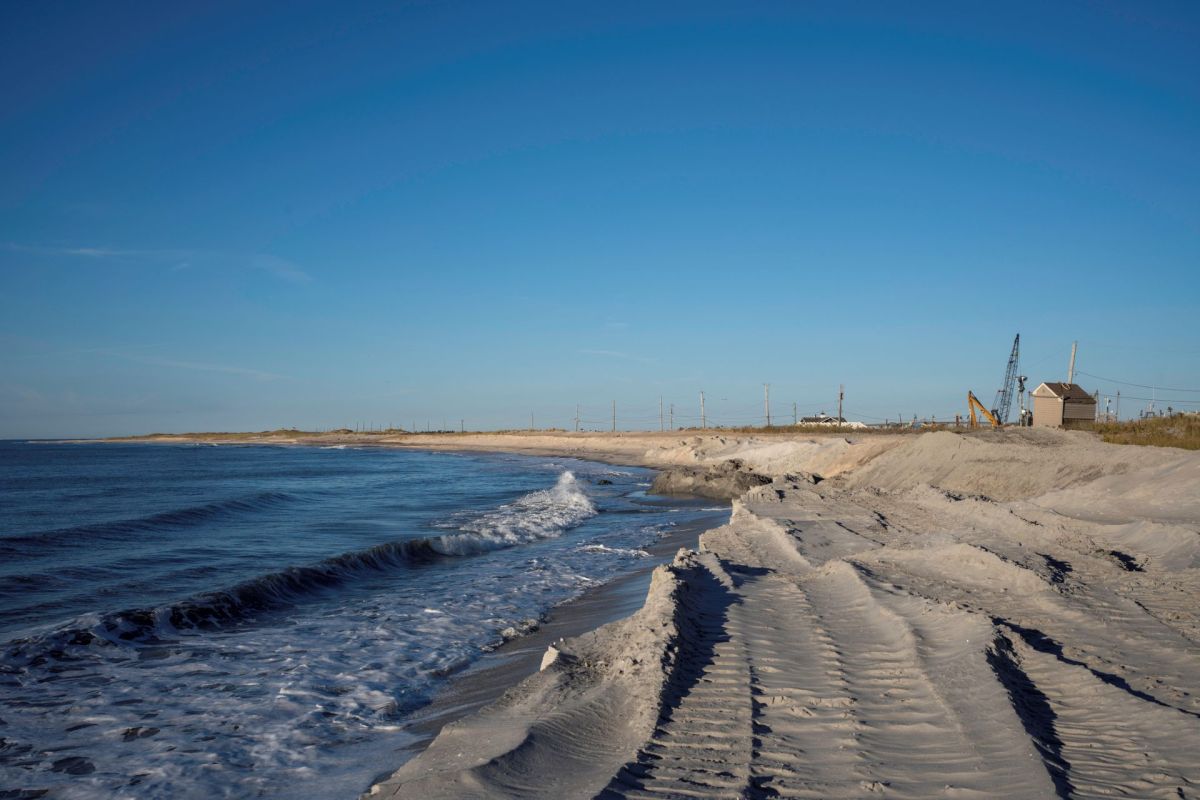
A study on sea-level rise is reshaping how scientists understand the drivers of ocean change.
While melting ice sheets in the Arctic often receive the most attention, research suggests that one of the biggest contributors to rising sea levels is the thermal expansion of seawater as it warms.
What happened?
In a paper published in the journal Science Advances, an international group of researchers reanalyzed decades of ocean data to identify the sources of rising seas.
As Science Alert summarized, their review drew on data from three distinct sources across different time periods: a 1960 to 2023 dataset combining tide gauge measurements and satellite records; a 1993 to 2023 period based on satellite observations; and a 2005 to 2023 window using data from ocean-monitoring buoys.
Across the full period, global mean sea level increased by an average of 2.06 millimeters per year. Between 2005 and 2023, the rate reached 3.94 millimeters, or 0.16 inches, per year.
As ocean water heats up, it expands and occupies more space, a process called thermal expansion. The research showed that the effect accounted for 43% of the total rise, Science Alert noted.
TCD Picks » Quince Spotlight
💡These best-sellers from Quince deliver affordable, sustainable luxury for all




Mountain glacier loss contributed 27% of the rise, while the Greenland Ice Sheet accounted for 15% and the Antarctic Ice Sheet for 12%. Changes in land water storage made up an additional 3%.
Why does it matter?
Knowing how much each factor contributes to sea level rise gives scientists a better foundation for future forecasting. Researchers refer to this as balancing the global mean sea level budget, meaning the measured increase should match the combined impact of its causes.
Better estimates can improve planning for flooding, coastal erosion, and strain on infrastructure. The findings also indicate that sea-level rise is likely to continue to worsen even with rapid pollution cuts, because the oceans are expected to keep warming for at least another 50 years, Science Alert noted.
The consequences extend far beyond coastal edges. Rising seas can affect food systems and population patterns, placing millions of lives and livelihoods at risk.
Per Science Alert, mechanical engineer John Abraham said, "For years, there has been a frustrating gap between how much the oceans were observed to be rising and how much we could explain from the individual causes."
He added, "This work shows that, with better instruments, processes, and smarter analysis, this knowledge gap can be closed. We can [now] explain sea level rise with greater confidence."

Get TCD's free newsletters for easy tips, smart advice, and a chance to earn $5,000 toward home upgrades. To see more stories like this one, change your Google preferences here.






