


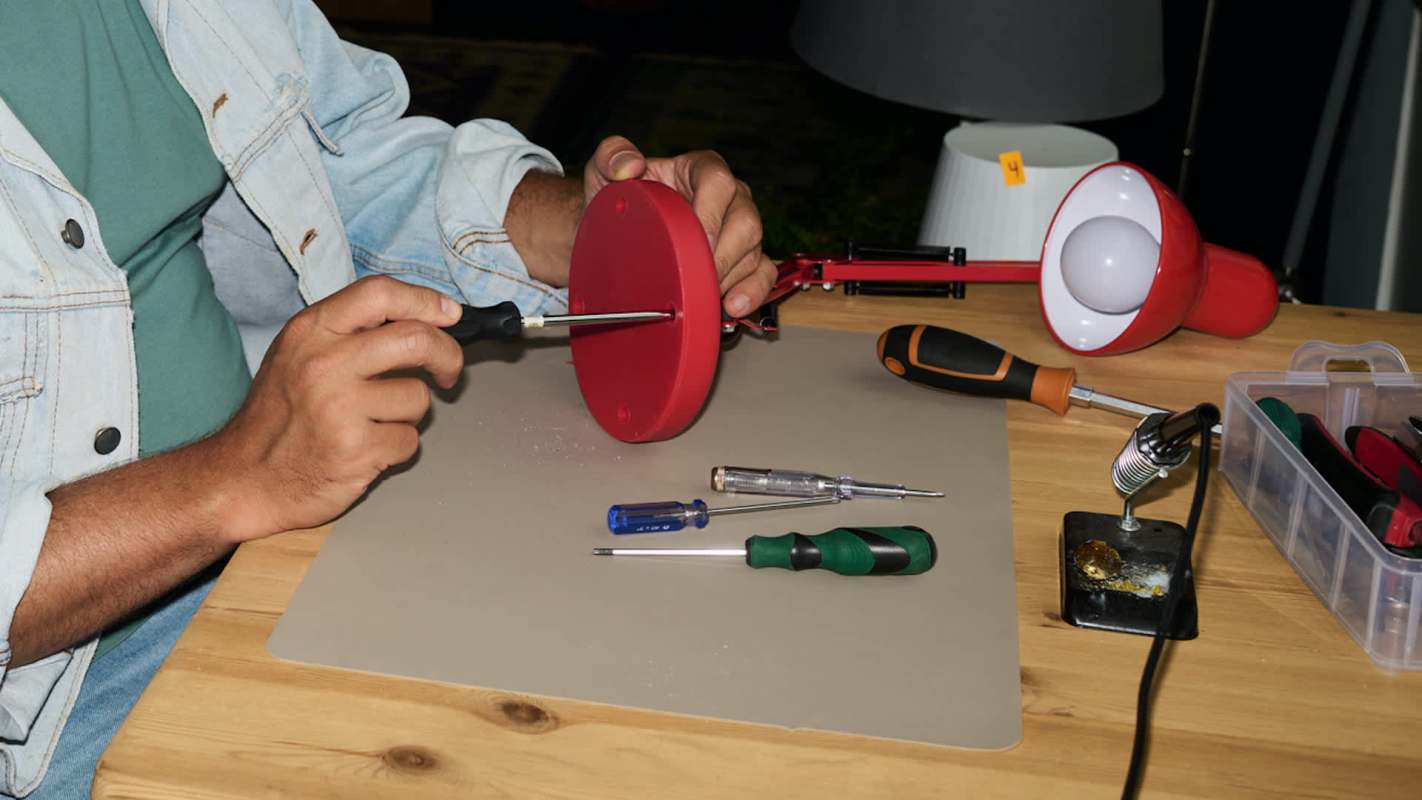
Inside a Methodist church basement in New Paltz, New York, on a rainy Saturday, residents arrived carrying the kinds of possessions that often get discarded, including old lamps, knives that had gone dull, glitchy sound equipment, and zippers that would not cooperate.
The goal, though, was not to toss them out. It was to fix them — a simple choice that can feel strikingly countercultural in an economy built around replacement.
What's happening?
The event was part of Repair Cafe, a volunteer-powered movement focused on helping people keep everyday belongings in use instead of buying new ones, the Associated Press reported.
Repair Cafe began in the Netherlands in 2009 and has since expanded into a global nonprofit with more than 59,000 members, around 4,000 cafes, and nearly 850,000 repairs each year.
At these gatherings, people bring in items such as clothing and small appliances, and they work with volunteer fixers to try to restore them.
That model is gaining attention as higher prices put pressure on many Americans.
TCD Picks » Quince Spotlight
💡These best-sellers from Quince deliver affordable, sustainable luxury for all




Fixing a lamp or replacing a zipper can cost much less than buying a replacement, making repair both a practical response to inflation and a pushback against disposable consumer culture.
"We need to change our mindset. We need to change the economy," Repair Cafe founder Martine Postma said.
Why does it matter?
As everyday goods become more expensive and are often designed to be replaced rather than repaired, fixing them can help stretch household budgets while also reducing waste.
Many products are discarded over relatively minor problems, such as a blown fuse, a dull blade, or a broken zipper.
The story was shared on Reddit, with commenters in the r/Anticonsumption subreddit highlighting the demand for these services.
One Reddit user wrote, "This is what I need!"
"These things are great because I can watch a video and still fail, but if someone is there they can let me know why I'm not getting it right. Or even how to be more efficient," another added.
Others shared examples of how much life older products can still have left in them. One commenter said a thrift-store rice cooker that was about 20 years old just needed its blown temperature-sensor fuse replaced and is "still trucking along making rice."
Repair cafes turn what might otherwise be an isolated financial burden into a form of mutual aid, where people share practical skills face-to-face and learn more about how their belongings work rather than treating them as sealed mysteries.
Repair cafes are already creating a local, hands-on version of right-to-repair culture. Rather than waiting for major manufacturers to make products easier to fix, volunteers are helping neighbors troubleshoot, sharpen, sew, and restore useful items in libraries, churches, and other community spaces.

Get TCD's free newsletters for easy tips, smart advice, and a chance to earn $5,000 toward home upgrades. To see more stories like this one, change your Google preferences here.






