


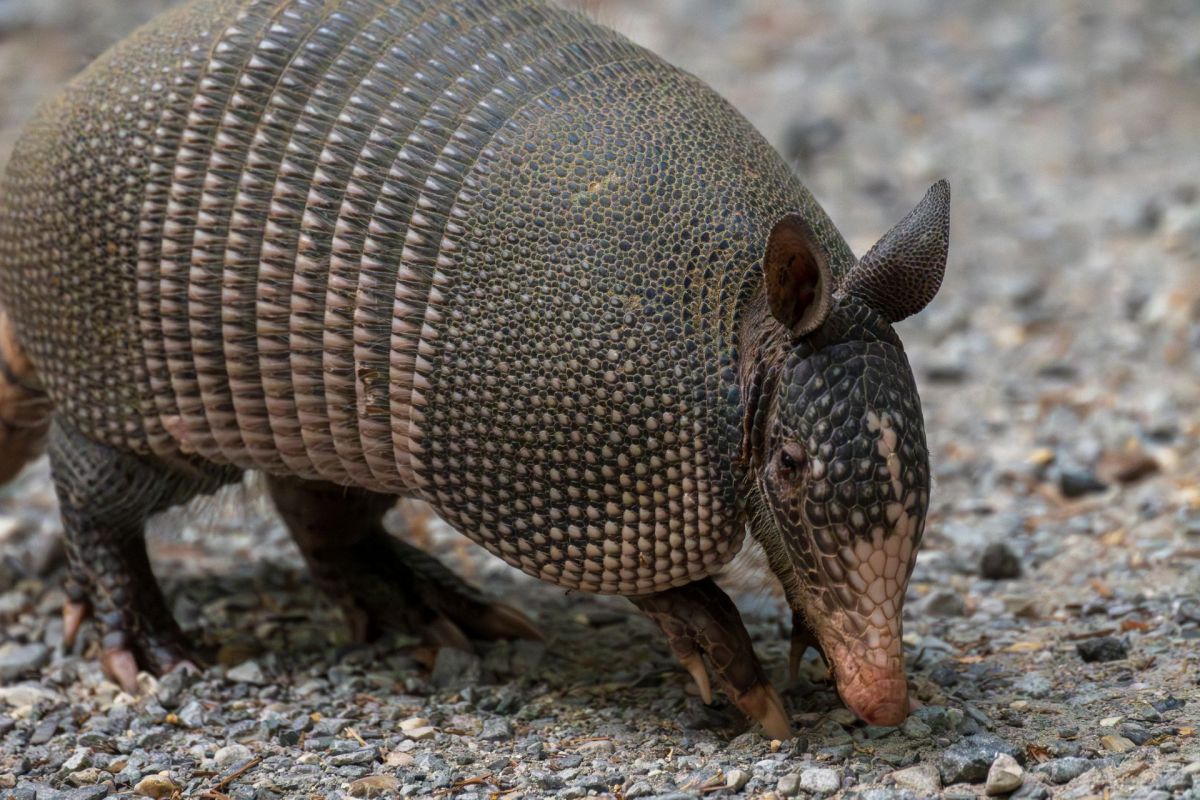
Across North Carolina, sightings of armadillos are becoming increasingly common. These armored mammals, long associated with Texas and known for eating insects such as fire ants, are expanding their range, and wildlife officials believe they could eventually reach almost every part of the state.
What's happening?
Since the first confirmed North Carolina armadillo was documented in 2007, the species has established breeding populations in at least eight western counties and has been reported across much of the state. Wildlife experts told WUNC that the expansion is expected to continue eastward.
Officials say 42 of North Carolina's 100 counties have verified sightings, while less certain reports have come from 84 counties, according to WUNC.
"Densities will vary, but in the next 10 to 15 years they'll probably be in all 100 counties," said Colleen Olfenbuttel of the North Carolina Wildlife Resources Commission.
The forecast comes as state biologists conduct their first official armadillo necropsies to better understand the species, including which diseases it may carry.
Part of the reason their range is growing is that armadillos are highly flexible survivors. They can switch what they eat as needed, escape danger by digging quickly, and even navigate streams by holding their breath for minutes and moving underwater.
TCD Picks » Quince Spotlight
💡These best-sellers from Quince deliver affordable, sustainable luxury for all




As retired biology professor Jim Loughry put it, "They're very adaptable, and they seem to not have any qualms about exploiting human habitats."
Why does it matter?
Their arrival is not entirely negative. By turning over soil, armadillos can create spaces that other animals use, and they also consume many insects, including fire ants. However, the same digging that helps some species can be a nuisance for people — tearing up lawns, gardens, and golf courses and leaving homeowners and communities with extra headaches and expense.
There is also a public health concern. Wildlife officials say they still do not know what diseases North Carolina armadillos may carry. Some armadillos in other states have been found to carry leprosy, though cases are rare and most humans are naturally immune.
As armadillos move into crawl spaces, barns, roadsides, and neighborhoods, officials need better data to reduce harm to both people and the animals. Their rapid spread also underscores how human-shaped landscapes can make it easier for adaptable species to expand into places experts once did not expect.
What can I do?
State officials are asking the public to help track armadillo sightings as the species spreads. If you spot one, the Wildlife Resources Commission recommends taking a photo or video, if possible, noting the exact location, recording the date, and noting whether the animal was alive or dead.
Residents can report sightings through the NC Wildlife Helpline at 866-318-2401. That information can help scientists understand where breeding populations are forming and whether the animals are becoming more common in suburban and urban areas.
If you encounter an armadillo, experts say, keep your distance.
"Our advice is the same as the advice we give when people are interacting with other wild animals," Olfenbuttel said. "Don't touch it. Stay a respectful distance."
For anyone handling a dead animal on a roadside or in a yard, gloves are recommended, and direct contact should be avoided whenever possible.
"In terms of where exactly they're going to stop, it's, it's really kind of hard to say," Loughry said.

Get TCD's free newsletters for easy tips, smart advice, and a chance to earn $5,000 toward home upgrades. To see more stories like this one, change your Google preferences here.







