


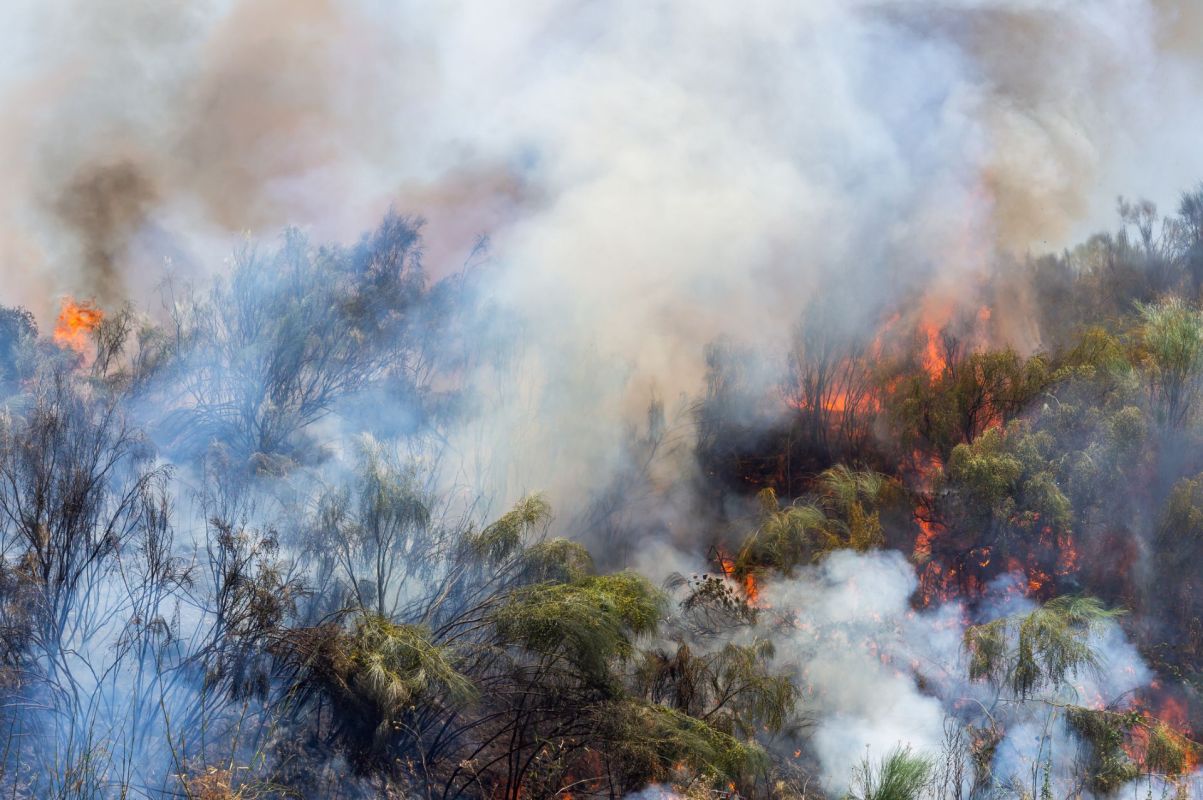
Wildfire smoke is no longer just hazing summer skies.
In parts of the Midwest and the Western U.S., it is driving smog levels high enough to chip away at years of air quality improvements associated with tougher emissions standards.
A University of Iowa study published in the peer-reviewed journal Science found that surface ozone levels, the smog people breathe at ground level, rose in parts of the Midwest and West from 2015 through 2024 despite years of improvements in how clean the air was.
The team mapped ozone levels across the country over two decades, from 2003 through 2024, using satellite observations, air-quality forecasts, Environmental Protection Agency data, and AI-assisted modeling.
Surface ozone can irritate the lungs, worsen asthma, and make it harder to breathe, especially for children, older adults, outdoor workers, and people with heart or lung conditions. Making matters more serious, communities far from any active flames can still face serious health risks when wildfire smoke travels long distances.
Across the U.S., the scientists found that ozone rose by enough to wipe out roughly four years of nationwide progress and as much as six years in the Western U.S. The researchers also estimated that wildfire-driven ozone has contributed to 318 premature deaths each year since 2013.
TCD Picks » Quince Spotlight
💡These best-sellers from Quince deliver affordable, sustainable luxury for all




When wildfire impacts were removed from the model, ozone continued to decline. When wildfire smoke was included, smog rose instead.
According to Inside Climate News, study co-author Meng Zhou said fires wiped out about one-third of the ozone-control gains made before 2015.
Zhou explained that "the fire season is getting longer, starting earlier and ends later. Fire intensities are getting heavier, and their frequency are getting higher so we are concerned that, in these situations, those kind of fire-triggered, high ozone episodes will be more frequent."
The findings point to a growing limit of standard clean air policies. While they still matter, on their own, they may not be enough to fully protect the American people if worsening fire seasons continue to add more pollution to the air.

Get TCD's free newsletters for easy tips, smart advice, and a chance to earn $5,000 toward home upgrades. To see more stories like this one, change your Google preferences here.






