


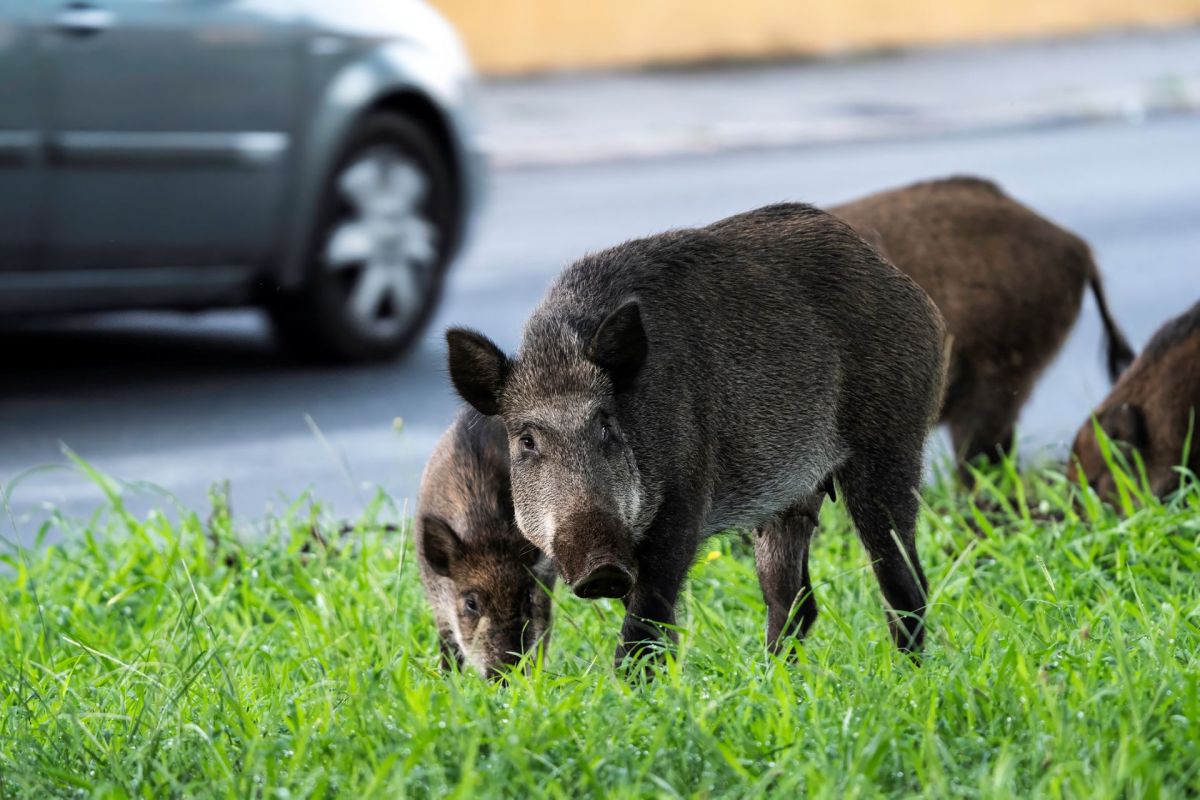
Northern U.S. states may soon face a new border threat as experts warn that so-called "super pigs" could move south from Canada.
For places that have rarely had to contend with feral swine, that could mean crop damage, ecological disruption, and added disease concerns.
What's happening?
The latest concern builds on Canada's long-running feral pig problem and focuses on a tougher hybrid created in the 1980s by breeding Eurasian wild boars with domestic pigs.
That cross produced an intelligent, highly adaptable animal that handles cold conditions better than many feral pigs already present in the U.S.
According to A-Z Animals, the animals have not yet entered the United States, but experts say their range continues to shift southward. That is raising concern in northern states where feral pigs have not historically been a major issue.
Canada originally introduced the pigs in an attempt to develop livestock better suited to severe winters. After some escaped, they and their descendants formed wild populations that spread rapidly.
TCD Picks » Quince Spotlight
💡These best-sellers from Quince deliver affordable, sustainable luxury for all




Containing them is especially difficult because super pigs can have multiple litters each year, with as many as 10 piglets in a litter.
Why does it matter?
Farmers, ranchers, food systems, and rural communities all have reason to worry.
The U.S. already suffers major agricultural losses from feral pigs, and A-Z Animals says the toll has reached $1.6 billion annually across just 13 states.
Because super pigs can thrive in colder areas, they could worsen that damage by expanding into places that once had some natural protection from feral swine.
In addition to harming farms, the animals can damage wetlands, disrupt native habitat, and consume food sources relied on by other species. Disease spread is another major concern.
Dr. Ryan Brook of the University of Saskatchewan said that the pigs are linked to at least 30 bacterial and viral diseases that can affect pets, livestock, wildlife, and humans.
What's being done?
Border states are already preparing, and the U.S. Department of Agriculture has described the potential threat as a "feral swine bomb."
Current efforts include aircraft and drone monitoring, large net traps meant to catch multiple pigs, and border-state response plans intended to move quickly if the animals are detected.
There are also grassroots efforts aimed at ranchers and local officials so sightings can be reported early, since officials cannot act directly until the pigs are actually in the U.S.
"As these populations get bigger and bigger, we're going to see more crop damage," Brook explained to CBS News. "We're gonna see potential disease spread."

Get TCD's free newsletters for easy tips, smart advice, and a chance to earn $5,000 toward home upgrades. To see more stories like this one, change your Google preferences here.






