


The spike in gas prices is being felt well beyond service stations. U.S. Labor Department data indicate that fuel costs linked to the war with Iran has helped drive inflation to its highest point in more than three years.
What happened?
The figures cited in a recent National Public Radio report show that consumer prices in May were 4.2% higher than a year earlier, the largest 12-month increase since April 2023.
From April to May, prices climbed 0.5%, a sizable monthly rise that illustrates how quickly an energy shock can spread through the economy.
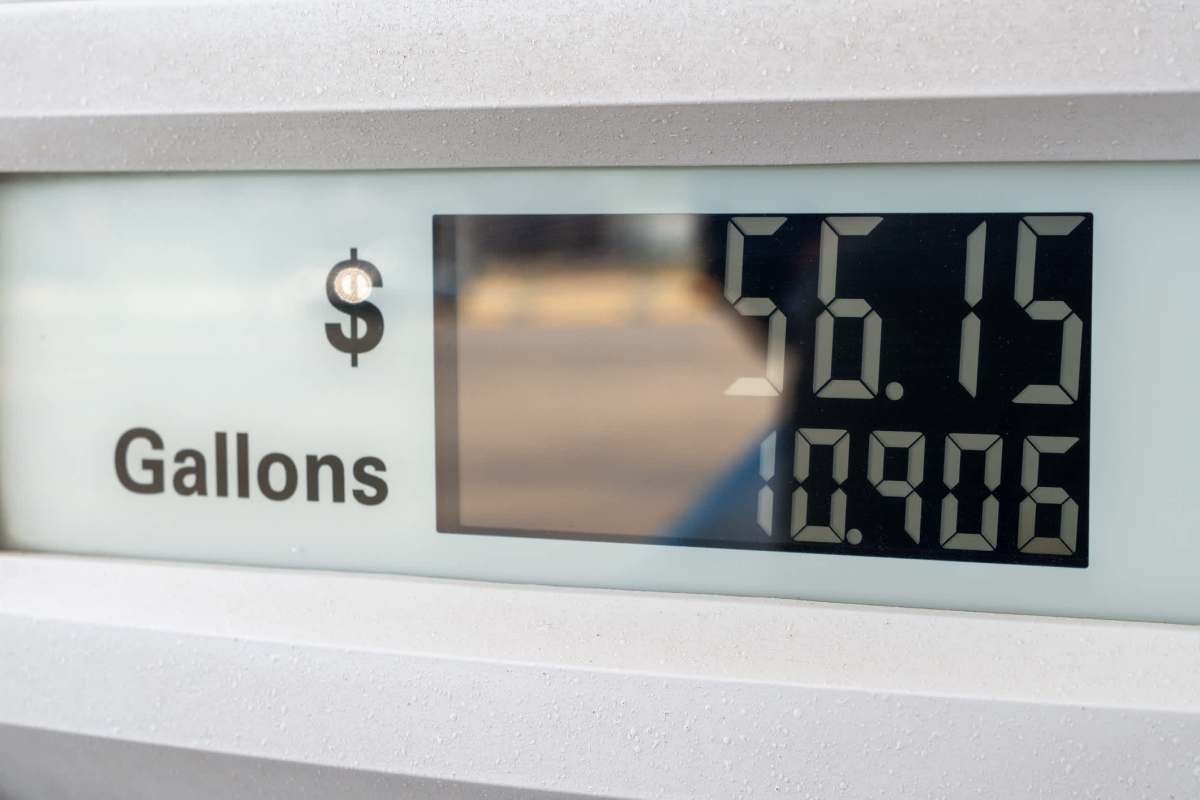
NPR noted that more than 60% of that monthly rise was due to energy. Since the war started, gasoline prices have increased by over $1 per gallon as shipping through the Strait of Hormuz — one of the world's most important oil routes — has been squeezed.
Travel costs rose, too: Airfares were roughly 27% higher than a year earlier as fuel increases filtered into ticket prices, according to NPR.
Food prices changed little, with groceries up just 0.1% in May. Over the past 12 months, core inflation — which excludes food and energy — increased 2.9%.
TCD Picks » Quince Spotlight
💡These best-sellers from Quince deliver affordable, sustainable luxury for all




Why does it matter?
Gas is a frequent purchase, so consumers tend to notice those price increases quickly. When fuel gets more expensive, everyday paychecks can feel like they are not stretching as far, even if other categories are not rising as fast.
As gas and jet fuel become more expensive, businesses often face higher transportation costs, which can then feed into the price of goods and services.
The report could shape what happens next with interest rates. Persistent price pressure lowers the odds of a near-term Federal Reserve rate cut, NPR noted.
Borrowing costs on credit cards, car loans, and mortgages could stay elevated for longer.
According to NPR, the national average was still elevated. According to AAA, gas was near $4.15 per gallon, roughly $1.17 above its prewar level.

Get TCD's free newsletters for easy tips, smart advice, and a chance to earn $5,000 toward home upgrades. To see more stories like this one, change your Google preferences here.






