


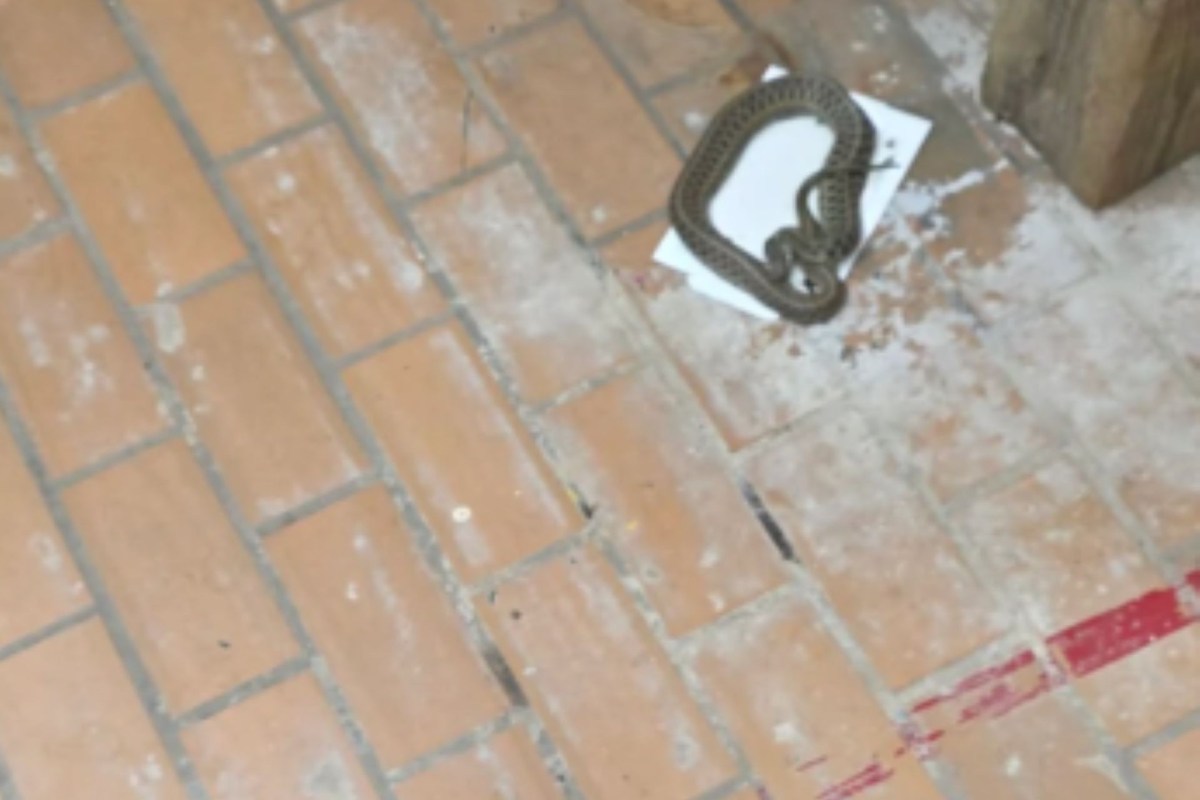
A routine wildlife rescue turned into an alarming lesson in snake biology after a naturalist freed a garter snake from a glue trap and ended up with a dramatically swollen, bruised hand the next day.
What happened?
In a post on Reddit's r/snakes, a user wrote that their partner is "a naturalist at a nature center."
The same post said that "someone alerted them to a sticky trap that had a garter snake trapped on it," and added, "My partner was slowly and gently removing the snake from the trap using oil, and the snake clamped onto their hand and chewed on them for a while."
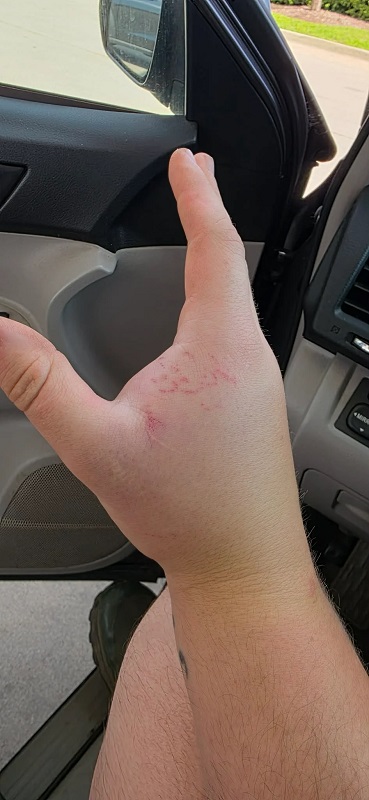
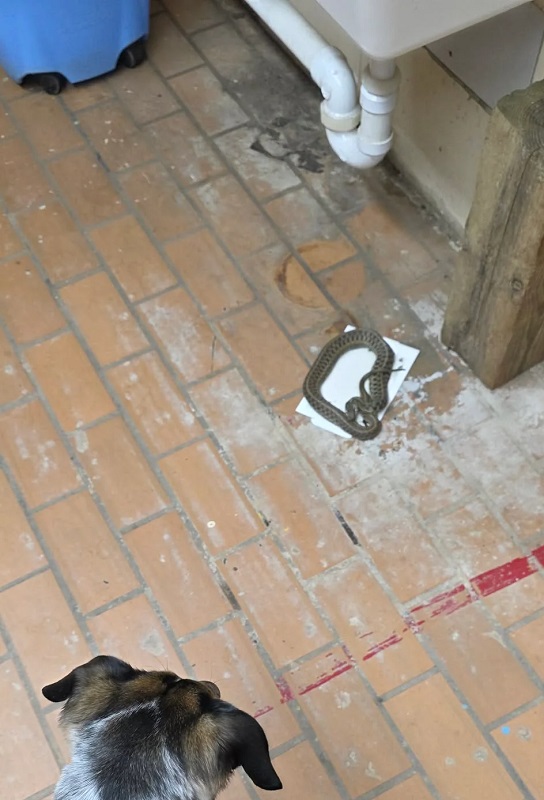
The images shared alongside the post showed extensive swelling and dark bruising.
As the user described it, "It is now the next day and my partner has incredible swelling and bruising on their hand," and "It looks like when you blow up a rubber glove!!"
The rescue still ended with the snake being freed.
TCD Picks » Quince Spotlight
💡These best-sellers from Quince deliver affordable, sustainable luxury for all




A pinned reply offered an explanation for the severity of the bite, stating: "Allergy has little or nothing to do with a reaction like this. The main factors in this type of reaction are 1. that the snake latches on with enlarged teeth in the back of the mouth (rear fangs) and 2. having already done the first part, are allowed to chew for a prolonged period. The reason most gartersnake bites won't have any reaction at all is because they tend to be a quick bite and release, mostly with the front teeth. Latching bites offer the opportunity to introduce the venom, while chewing stimulates production of more, compounded by the amount of time allowed to chew."
Why does it matter?
The episode appears to have begun with a glue trap, a kind of pest-control device that can ensnare animals it was never intended to catch.
The snake was not the aggressor at the outset; it was trapped in a human-made device, and the naturalist was injured while trying to reverse that harm.
What are people saying?
For many commenters, the post was an unexpected crash course in garter snake biology.
One reaction captured that surprise: "TIL garter snakes actually have venom."
Some commenters emphasized that garter snakes are rear-fanged and generally need to chew to deliver venom effectively, while others pointed to research on garter snake venom glands.
Many also thanked the naturalist for rescuing the snake despite the painful result, while others were disturbed that a nature center was using glue traps in the first place.

Get TCD's free newsletters for easy tips, smart advice, and a chance to earn $5,000 toward home upgrades. To see more stories like this one, change your Google preferences here.







