


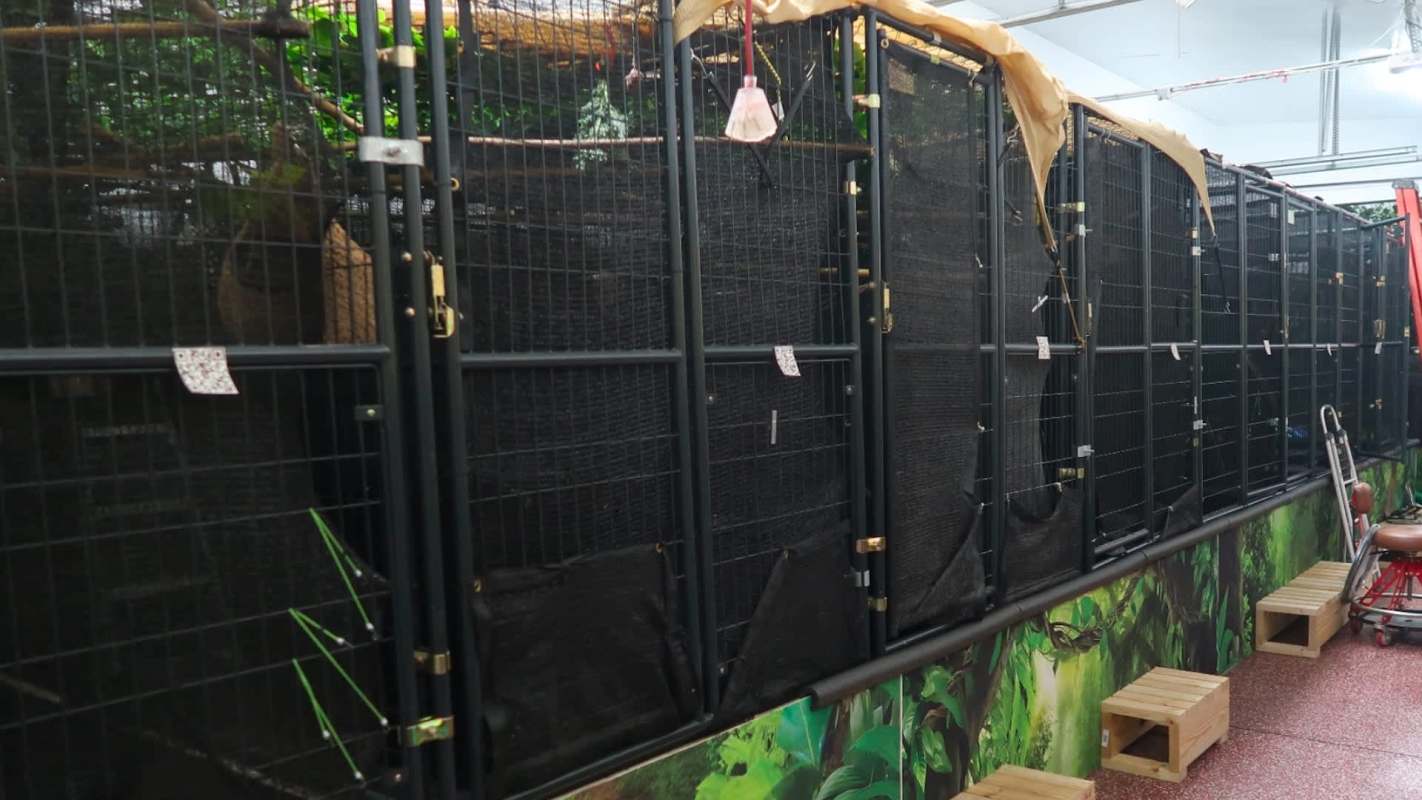
Before a planned Florida attraction ever opened to the public, more than 50 imported sloths had died, and investigators said the aftermath pointed to concerns that extend beyond a single failed roadside-animal business.
Inside Climate News reported that necropsy records and a state inspection report showed the animals were suffering from parasites, bacteria, viruses, pneumonia, diarrhea, and extreme stress after international transport and poor warehouse conditions in Orlando.
What happened?
The sloths were brought to a business called Sloth World, which planned to charge visitors $49 to see the animals. The attraction shut down before it ever opened after scrutiny over the sloths' deaths and treatment.
Records described animals with distended stomachs, diarrhea matted into their fur, and severely compromised health. One sloth, Sid, reportedly arrived in a small crate "covered in diarrhea" and was later found "minimally responsive."
Other sloths suffered injuries after repeated altercations and apparent mishandling. Experts who reviewed the records said stress, confinement, temperature swings, and inadequate care likely left the animals even more vulnerable to disease.
The animals were imported through legal channels rather than smuggled into the United States, a point experts said shows the wildlife trade's problems are not confined to illicit trafficking.
TCD Picks » Quince Spotlight
💡These best-sellers from Quince deliver affordable, sustainable luxury for all




Two sloth disease experts, Carlos Sacristán and Ana Carolina Ewbank, were blunt in their assessment of the Florida case. "What was done to these animals … is absolutely unacceptable."
Why does it matter?
Researchers said the Florida case demonstrates how the capture, transport, and confinement of exotic animals can create conditions that help diseases move between species and, at times, infect humans.
Many serious outbreaks, including HIV/AIDS, influenza, and West Nile virus, began with pathogens crossing from animals to people.
As physician and epidemiologist Dr. Neil Vora put it, "Wildlife trading is inherently a system that can amplify pathogen risk." He added, "It's just a ticking time bomb that has huge risk—it's like pandemic roulette."
Experts also said the threat is not limited to illegal activity. A Science study reported that traded wildlife species were about 50% more likely to share pathogens with humans than species outside the trade.
Once those animals are imported, oversight can become unclear, with state and federal agencies sometimes passing responsibility back and forth.
Jérôme Gippet, an ecologist who studies wildlife trade and disease spread, called the industry "very dangerous" and said, "The trade creates the opportunities for these viruses to become zoonotic."
Veterinarian Meghan Davis warned, "We can't just look at a wild animal and know what it's carrying," adding that "Suprises can happen."

Get TCD's free newsletters for easy tips, smart advice, and a chance to earn $5,000 toward home upgrades. To see more stories like this one, change your Google preferences here.






