


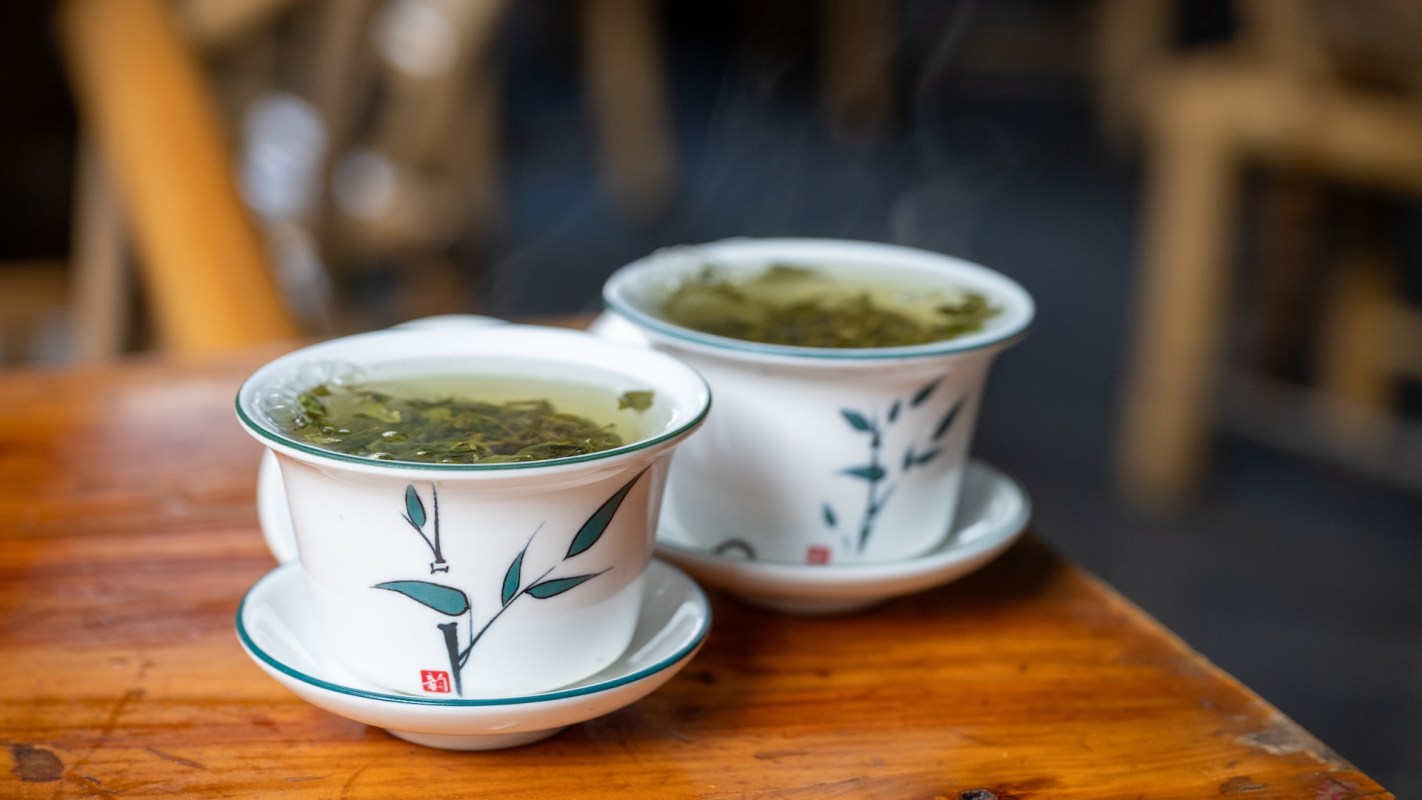
A sweeping new analysis has suggested that people who drink tea regularly may have lower risks of heart disease, diabetes, obesity, and some cancers, with green tea showing the strongest signal.
Still, the findings were not a blanket endorsement of every beverage sold as tea.
What's happening?
In the journal Beverage Plant Research, scientists at China's Tea Research Institute within the Chinese Academy of Agricultural Sciences reviewed laboratory and human evidence on tea's effects on health.
Led by Mingchuan Yang and Li Zhou, the researchers found that green tea was especially notable for potential cardiovascular benefits.
The analysis connected routine tea drinking with lower blood pressure, improved cholesterol markers, and, in cohort studies, reduced risks of all-cause mortality, cardiovascular disease, and certain cancers.
The authors also described possible brain-related benefits, noting that regular tea drinkers, particularly older adults, had lower rates of cognitive decline and biomarkers associated with Alzheimer's disease.
TCD Picks » Quince Spotlight
💡These best-sellers from Quince deliver affordable, sustainable luxury for all




Tea catechins were also identified as a possible aid against age-related muscle loss, with potential benefits for strength and physical performance in seniors.
The researchers also urged caution. Bottled teas and bubble teas often contain sugar, artificial sweeteners, and preservatives that may weaken or cancel out some of tea's benefits.
Why does it matter?
Tea is already one of the world's most widely consumed beverages, so even modest health benefits could have implications for millions of people.
The review adds to a growing body of evidence suggesting that simple habits such as choosing unsweetened brewed tea over highly processed drinks can support health over time.
The review also highlighted several possible downsides tied to some tea products, including pesticide residues, heavy metals, microplastics, and reduced absorption of non-heme iron and calcium.
The effects may depend not just on drinking tea, but on the kind of tea and how often it is consumed.
What can I do?
The review points to moderation and simplicity. The strongest benefits in the review were associated with traditional, freshly brewed tea, especially in relation to cardiovascular disease, diabetes, and cancer prevention.
Green tea was a standout in the findings, although bottled and bubble tea drinks were treated with more caution. When bottled teas and bubble teas include added sugars, sweeteners, and preservatives, the health picture may change substantially.
Tea intake and timing may also matter for people with low iron levels, calcium concerns, or specific medical conditions.
The review's takeaway was positive but restrained. Moderate amounts of traditional, freshly brewed tea seem beneficial, whereas more processed tea drinks may not provide the same positives.

Get TCD's free newsletters for easy tips, smart advice, and a chance to earn $5,000 toward home upgrades. To see more stories like this one, change your Google preferences here.







