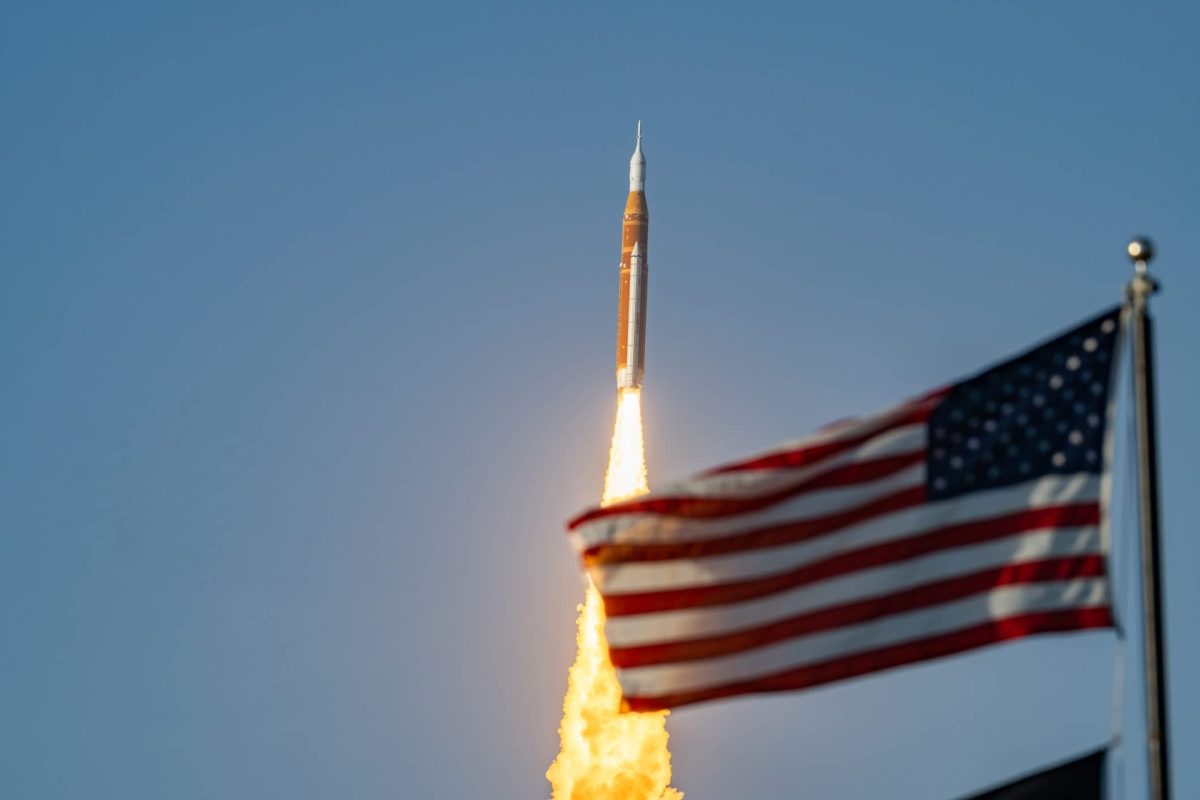
NASA has assigned four astronauts to Artemis III, the next mission in its moon program and the major follow-up to April's widely watched lunar flyby.
Planned for 2027, the flight is being presented as a technically demanding test and will also place a European Space Agency astronaut on the crew.
What's happening?
According to ABC News, Artemis III's lineup puts Randy Bresnik in command, with Luca Parmitano serving as pilot and Frank Rubio and Andre Douglas flying as mission specialists. Bob Hines was chosen as the backup crew member.
Rather than trying for a moon landing, Artemis III is now planned as an in-space test of key systems. NASA is aiming for a 2027 launch using the Space Launch System and Orion.
The crew is expected to spend the mission in low Earth orbit, where they will rehearse docking with commercial landers provided by Blue Origin and SpaceX. NASA considers those demonstrations necessary before future lunar landing attempts.
"This mission will be one of the most complex that NASA has undertaken," NASA flight operations director Norm Knight said, per ABC.
TCD Picks » EDF Spotlight
💡EDF's Vital Signs newsletter delivers stories about game-changing solutions close to home and around the world




The announcement follows Artemis II's 10-day April trip around the moon, during which the crew covered almost 700,000 miles and went around the moon's far side for the first time in more than half a century.
Why does it matter?
Even as a test flight, Artemis III remains a major step toward returning humans to the moon and building a longer-term path to Mars. NASA officials have said these Artemis test missions are intended to lead to a moon-surface mission in 2028. Space missions have long helped drive advances in communications, materials, navigation, and life-support systems.
Artemis III is expected to add a new docking system, a better heat shield, and upgraded communications technology to "improve our data exchange between Orion and the ground," as Jeremy Parsons, acting assistant deputy associate administrator for NASA's Moon to Mars Program Office, said.
Italian Parmitano's place on the crew marks a significant milestone in Europe's role in deep-space exploration.
NASA said the Artemis III crew will train over the next year while incorporating lessons from Artemis II. The aim is to reduce risk before astronauts move on to future lunar surface missions.
During the flight, the crew is expected to remain docked for several days while checking lander functions and life-support systems in space. Parsons said the mission "is deliberately designed to take calculated risk so that future crews will be safer and ultimately successful when we put boots on the lunar surface."
NASA is also continuing its work with commercial partners. Blue Origin and SpaceX are providing key lander systems, and officials have said those vehicles should be ready despite recent setbacks, including an explosion during a Blue Origin static fire test.
"This mission is going to captivate the world and bring us Earth joy," said Vanessa Wyche, director of NASA's Johnson Space Center.
Douglas also captured the emotional weight of the moment.
"My brain, it is going a mile a minute right now, but my heart, my heart, it is so warm," he said. "It is so full."

Get TCD's free newsletters for easy tips, smart advice, and a chance to earn $5,000 toward home upgrades. To see more stories like this one, change your Google preferences here.
Cool Picks