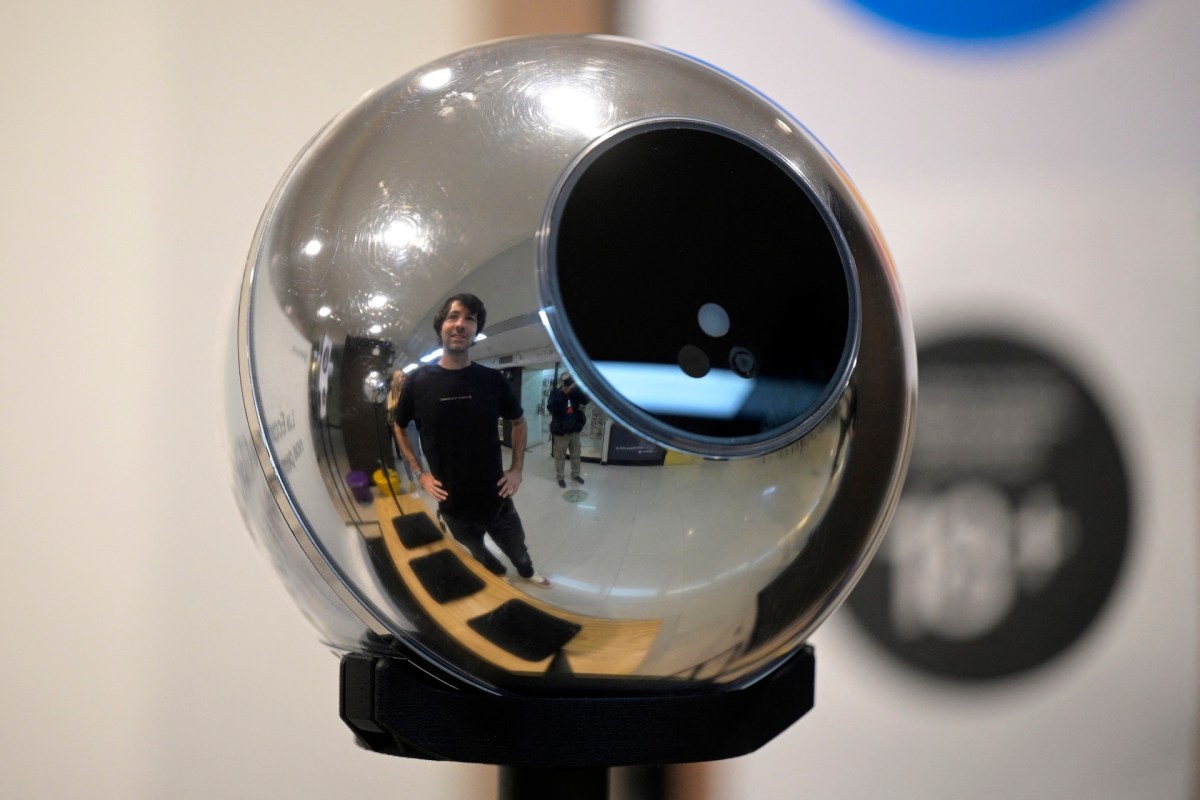
Layoffs have hit Sam Altman's biometric ID venture as criticism of its best-known device continues to build.
Tools for Humanity, the maker of the eye-scanning Orb, is cutting staff. Meanwhile, regulators in several countries continue to question how the company collects and uses biometric data.
What happened?
According to Business Insider, Tools for Humanity disclosed layoffs in early June. The company had grown to more than 500 employees and carried a $2.5 billion valuation.
The company's main product is the Orb, which scans a user's iris to generate what it calls "proof of humanity." It is pitched as a way to separate real people online from deepfakes and AI-enabled scams. Altman is notably the CEO and co-founder of OpenAI, which has been criticized as a potential facilitator of AI-powered scams.
According to Futurism, the Orb's security pitch has helped the company land agreements with Tinder, Zoom, and Docusign. At the same time, authorities in parts of Asia, Africa, South America, and Europe have paused or banned Orb use over concerns about the company's biometric data practices.
Why does it matter?
Tools for Humanity still appears to lack a clear, scalable market for its technology.
TCD Picks » Quince Spotlight
💡These best-sellers from Quince deliver affordable, sustainable luxury for all




Futurism referred to a report from Time Magazine, which described a gap between the company's goals and its readiness. When AI agents started flooding the internet, Tools for Humanity was not prepared to expand quickly enough, despite building its product for that kind of environment.
The debate touches on privacy, surveillance, online safety, and whether companies should be allowed to collect sensitive personal data in exchange for access to digital services.
Government pushback could help determine how biometric ID tools are used — or rejected — around the world.
AI can offer real benefits, including helping manage power demand and optimize cleaner energy systems, but building and running these tools requires enormous computing power.
That demand can strain the energy grid and consume significant amounts of water. It can also lead to higher operating costs, cybersecurity concerns, misuse of powerful systems, and unintended downstream effects such as higher energy bills for households.

Get TCD's free newsletters for easy tips, smart advice, and a chance to earn $5,000 toward home upgrades. To see more stories like this one, change your Google preferences here.