


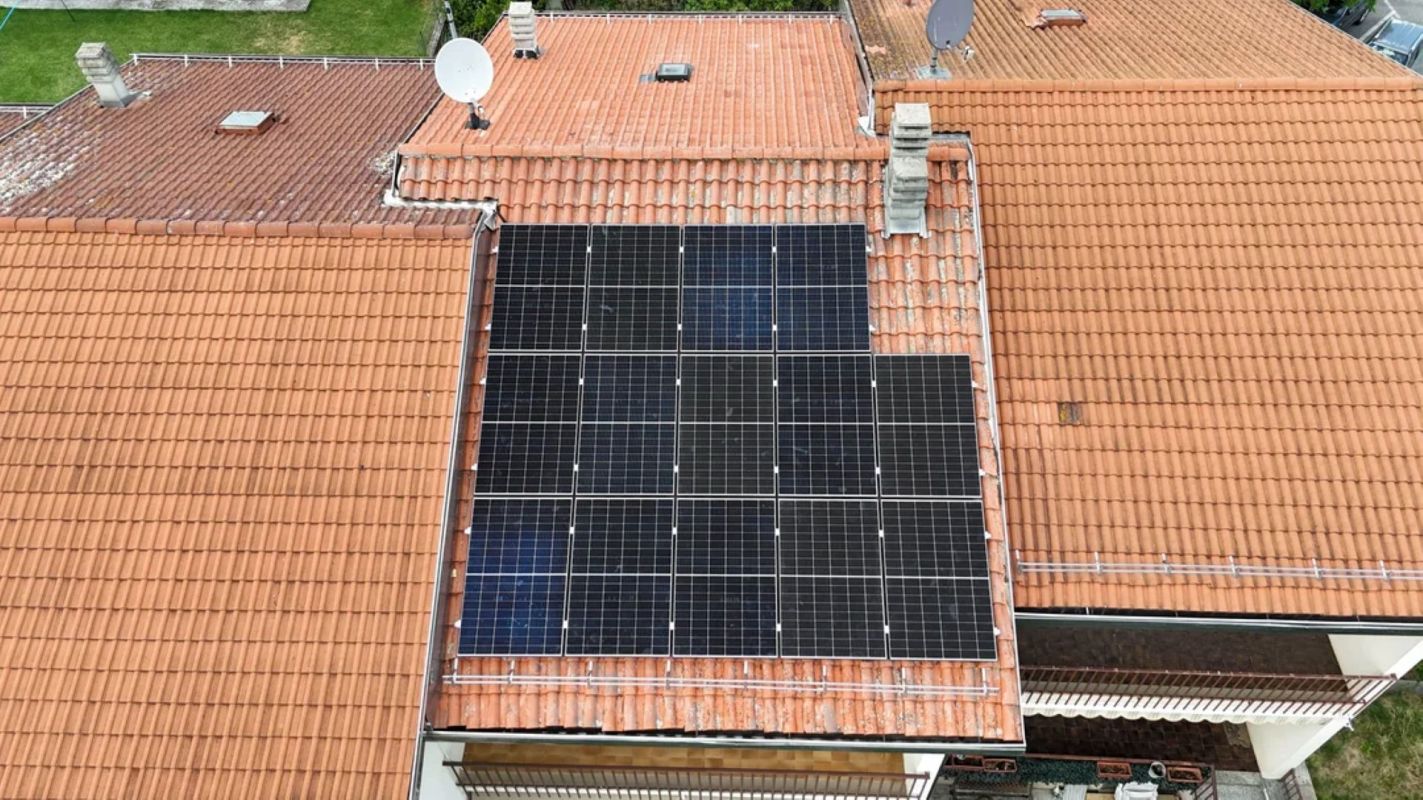
A homeowner's newly finished solar installation sparked the usual mix of upbeat reactions and reality checks online. Alongside the congratulations came plenty of discussion about expected output, seasonal swings, and how much a setup like this can really offset over a full year.
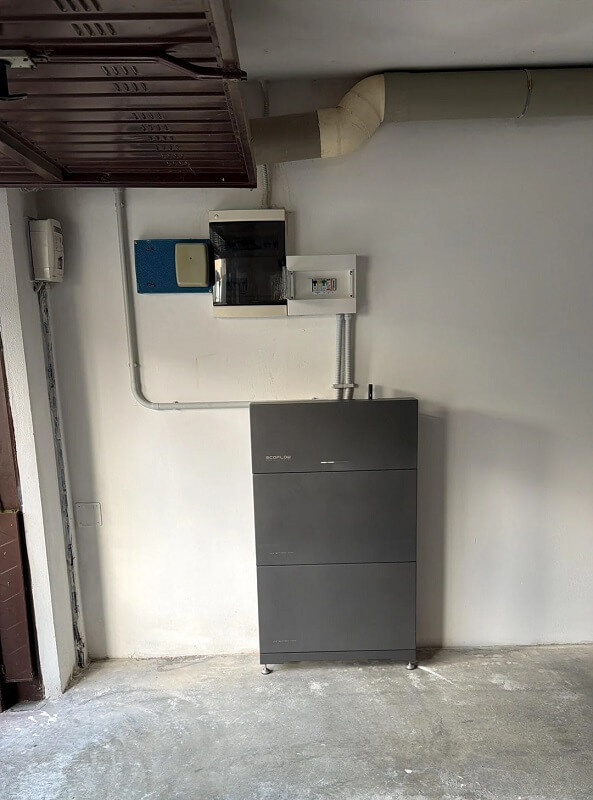
The system in question combines 14 rooftop panels with a 10-kilowatt-hour Ecoflow PowerOcean battery, and that was enough to get more seasoned solar owners comparing experiences with similar-sized systems.
What happened?
The homeowner shared an aerial photo of a grid-tied rooftop setup with 14 panels rated at 460 watts each, totaling roughly 6.44 kilowatts of capacity. They said they expect it to cover about 90% to 95% of annual electricity use, although they had only recently moved in and still had not installed all of their appliances.
In the Reddit thread, commenters quickly started grounding that optimism in real production figures. One solar owner in the Bay Area said their 9.6-kilowatt system produces around 50 to 63 kilowatt-hours per day in summer, but winter storms can push that down to roughly 5 to 30.
Some of the replies were more playful, with users jokingly wondering whether a 15th panel might have fit. The homeowner said the roof is older and not fully square, and that the panels could not be placed any lower because of safety regulations.
Why does it matter?
The advertised size of a solar system is only part of the picture. Actual bill savings depend on factors such as weather, season, roof geometry, local sun exposure, and how much electricity the home uses.
TCD Picks » Quince Spotlight
💡These best-sellers from Quince deliver affordable, sustainable luxury for all




Batteries were a tougher sell in the discussion. Commenters noted that storage can be valuable for outage backup and for shifting energy use, but many still think the economics are difficult for households right now. Some said that it could improve if supply grows and tariffs ease.
On off-grid living, though, the replies cautioned that a stretch of cloudy weather can cut production sharply for days, even if the array looks reasonably sized on paper.
What can I do?
One clear takeaway was to size solar around yearly electricity consumption while paying special attention to the worst periods, especially winter output and multiple cloudy days in a row, rather than sunny summer highs.
If backup power matters to you, it may be worth comparing batteries that can also take generator charging or vehicle-to-load charging. That added flexibility can help during longer periods when solar production stays low.
It can also be useful to collect multiple quotes and ask installers for seasonal production models instead of relying only on annual averages. Older homes or awkward rooflines may restrict panel placement, so estimates should reflect the real layout rather than an idealized one.
For homeowners still unsure about adding storage, waiting may be reasonable. Solar panels on their own can still meaningfully lower utility bills, and battery pricing continues to shift. But the strongest warning repeated in the discussion was that for true off-grid setups, you will need a generator.

Get TCD's free newsletters for easy tips, smart advice, and a chance to earn $5,000 toward home upgrades. To see more stories like this one, change your Google preferences here.






