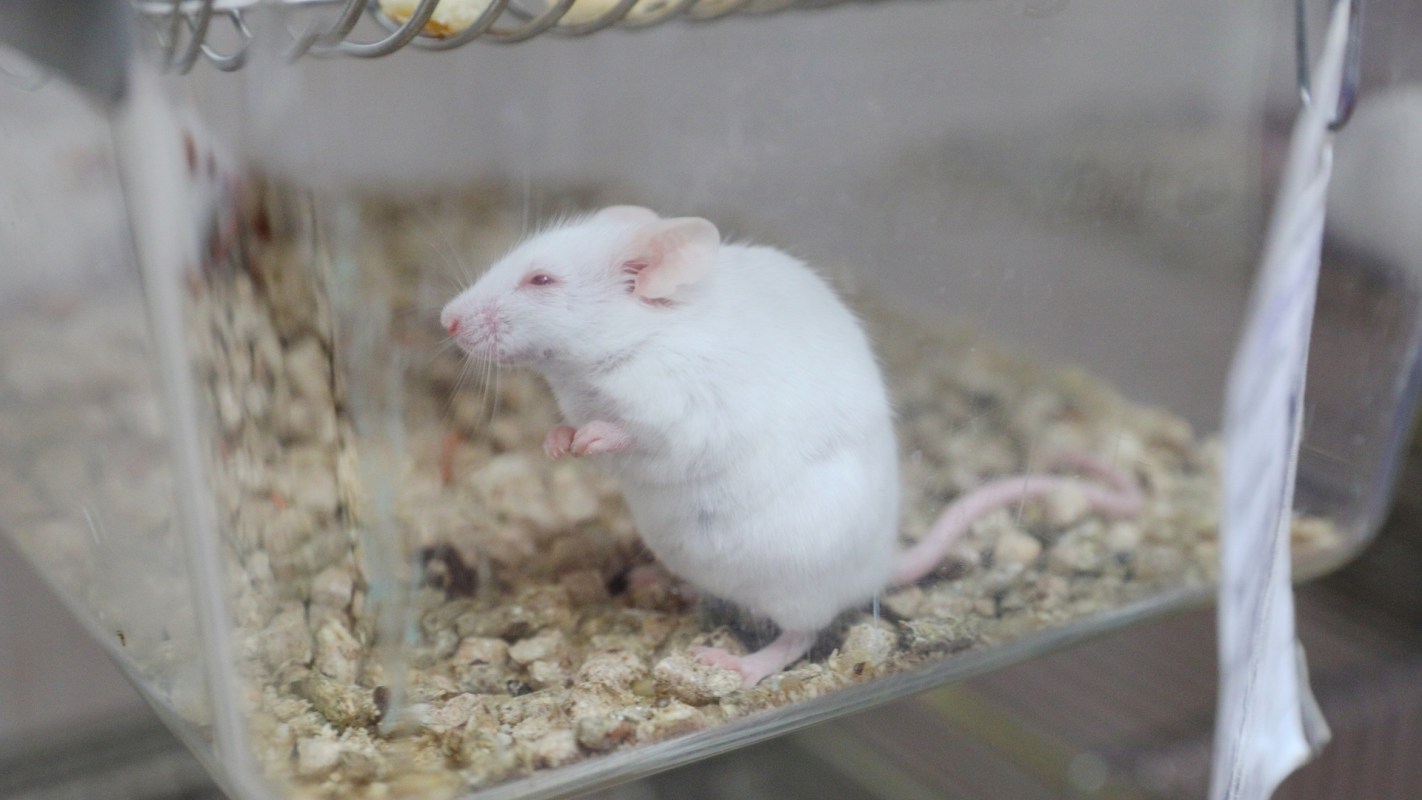
Mouse research has pointed to a possible new Alzheimer's treatment. The experimental Compound 10 appeared to help animals live longer, limit nerve cell damage, and reduce the damage caused by one of the main proteins associated with Alzheimer's.
The molecule emerged from nearly 20 years of work under ETH Zurich molecular pharmacology professor Ursula Quitterer.
What happened?
According to Science Daily, the researchers zeroed in on GRK2, a protein that normally helps cells cope with stress, after finding heavy accumulations of an inactive form of it in brain tissue from people with dementia and in Alzheimer's mouse models.
Inactive GRK2 seemed to collect into clumps that attached to mitochondria and interfered with the cells' energy production.
As Quitterer explained, "The GRK2 aggregates block the pores of the mitochondria, reducing the amount of energy they can supply and leading to a situation of stress inside the cells."
That cellular stress may raise amyloid beta production, reinforcing a harmful cycle tied to Alzheimer's progression. The study reported that Compound 10 stopped GRK2 from forming those damaging aggregates.
TCD Picks » Quince Spotlight
💡These best-sellers from Quince deliver affordable, sustainable luxury for all




Compared with untreated animals, mice given the compound had less amyloid beta buildup, healthier nerve cells, slower die-off, longer survival, signs of improved heart function, and even fewer gray hairs.
Why does it matter?
Alzheimer's has long been one of the most difficult diseases to treat. Drugs can sometimes slow the disease's course for a while, but they do not halt it or undo the damage. A therapy aimed at a different target could widen the limited set of treatment options.
Don't hold your breath, though, because the work has so far been done in mice rather than humans, meaning Compound 10 remains far from pharmacy shelves.
For researchers, the discovery offers another mechanism to investigate. The team has finished the basic research phase, filed a patent application, and ETH Zurich is looking for a company to help advance the compound into drug development.
If later studies continue to look promising, researchers believe it could eventually be used alongside existing Alzheimer's drugs for a stronger effect.
What are people saying?
Quitterer told Science Daily the long timeline was no surprise.
"It took so long simply because everything takes so long in Alzheimer's research," she said.
"It's all a great deal slower than in cancer research, for example," Quitterer added, noting that studies of age-related disease require older mice and much longer timelines.
She also said, "That's why it's so important that we've now identified a new target protein in the form of GRK2, as well as an active ingredient that operates via GRK2 and therefore via a different mechanism than existing Alzheimer's drugs."

Get TCD's free newsletters for easy tips, smart advice, and a chance to earn $5,000 toward home upgrades. To see more stories like this one, change your Google preferences here.