


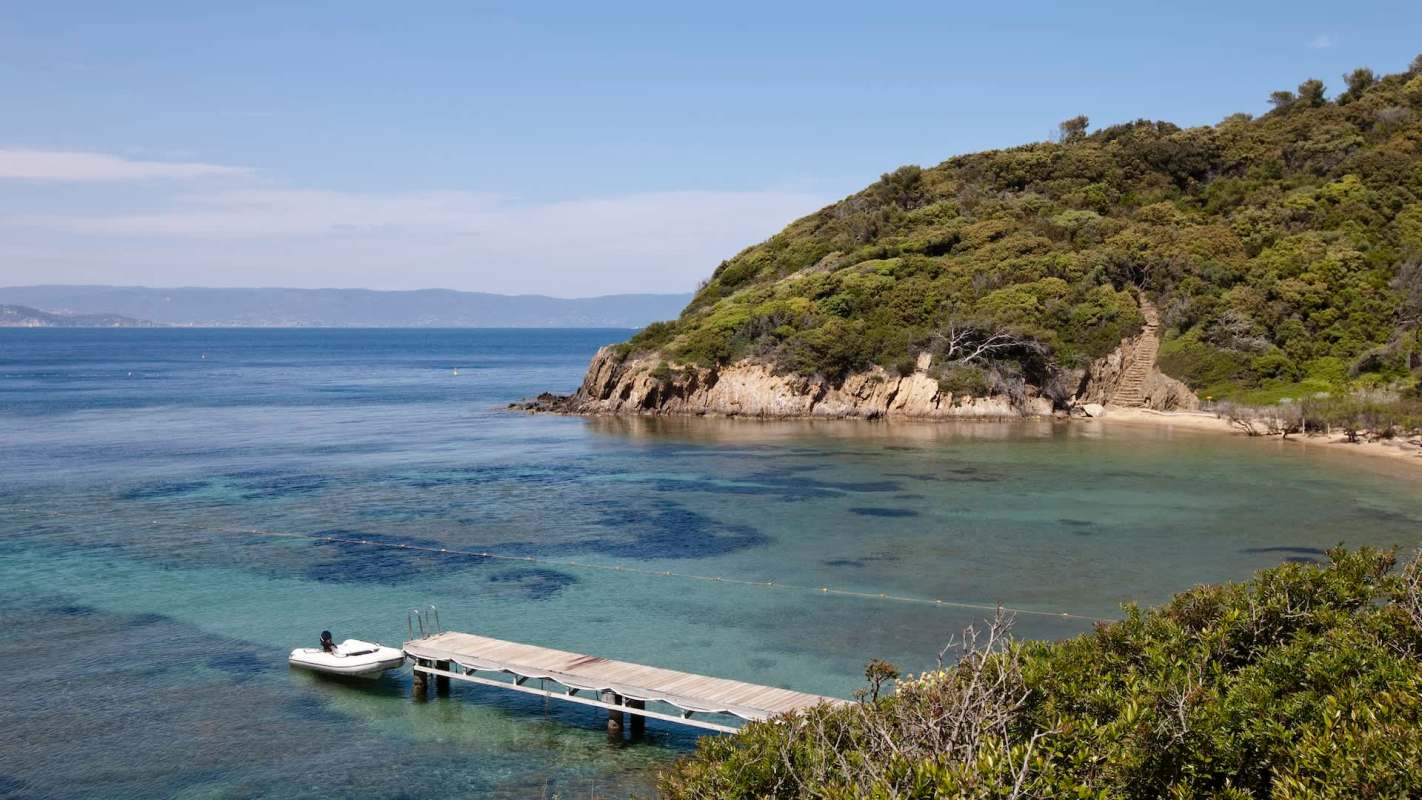
Three newly designated marine protection zones announced by France on World Oceans Day raised the strictly protected share of the country's waters to 14.68%.
For coastal communities, fishers, and anyone who depends on healthy oceans for food, jobs, and storm protection, the move matters far beyond lines drawn on a map.
What happened?
According to Radio France Internationale, the new areas span several very different environments: coral reefs in Guadeloupe that shelter sea turtles, the Bay of Audierne off Finistère — where protections are intended to support the Kentish plover — and part of the French Southern and Antarctic Lands, where the seabed lies deeper than 2,500 meters.
In zones under strict protection, activities such as fishing, extraction, and tourism are banned or heavily restricted.
At the opening of the Neptune Forum in Paris, an event billed as the "Davos of ocean exploration," Monique Barbut, the minister for ecological transition, said France is nearing its own target.
"We are moving much closer to the objective we set for ourselves at the UNOC (the United Nations Ocean Conference in June 2025) of reaching 14.8% by the end of this year."
TCD Picks » Quince Spotlight
💡These best-sellers from Quince deliver affordable, sustainable luxury for all




The step also builds on France's December rollout of a "strong marine protection zones" label at 63 sites, including the marine core of Port-Cros National Park and a reserve near the Île de Ré.
Why does it matter?
Strict marine protection can help fragile ecosystems recover from overuse and pollution, with tangible benefits for people as well. Healthier coral reefs can support fisheries and tourism while also helping buffer coastlines against damage.
Meanwhile, protecting seabirds and sea turtles strengthens the broader food web that many coastal economies rely on. That can help preserve local jobs, food sources, and the natural systems that make shorelines more resilient.
France paired the new protections with a 2026-2030 action plan to combat plastic waste. World Oceans Day 2026 was observed under the theme "Reimagine: Beyond the world we know, a new relationship with our ocean."
Cleaner oceans can mean safer seafood, stronger local tourism, and less pollution washing back onto beaches and into nearby communities.
The step also contributes to international efforts to protect the ocean. Fifty countries ratified the High Seas Treaty at the Nice summit, and French officials have said the total has already increased.
What are people saying?
Olivier Poivre d'Arvor, French ambassador for oceans and polar affairs, said treaty support has continued to grow, with more than 90 signatory countries for the treaty.
"Our goal ... is to ensure that on January 11, 2027, in New York, at the United Nations, during the first COP of the Ocean, the COP of the High Seas, we have more than 120 countries around the table," he added.
France's Ministry of Ecological Transition said: "Every year, nearly 12 million tons of plastic end up in our oceans. The fight against plastic waste at sea was therefore one of the priorities of UNOC-3 and is a major issue for the health of marine ecosystems, from inland to coastal areas."

Get TCD's free newsletters for easy tips, smart advice, and a chance to earn $5,000 toward home upgrades. To see more stories like this one, change your Google preferences here.






