


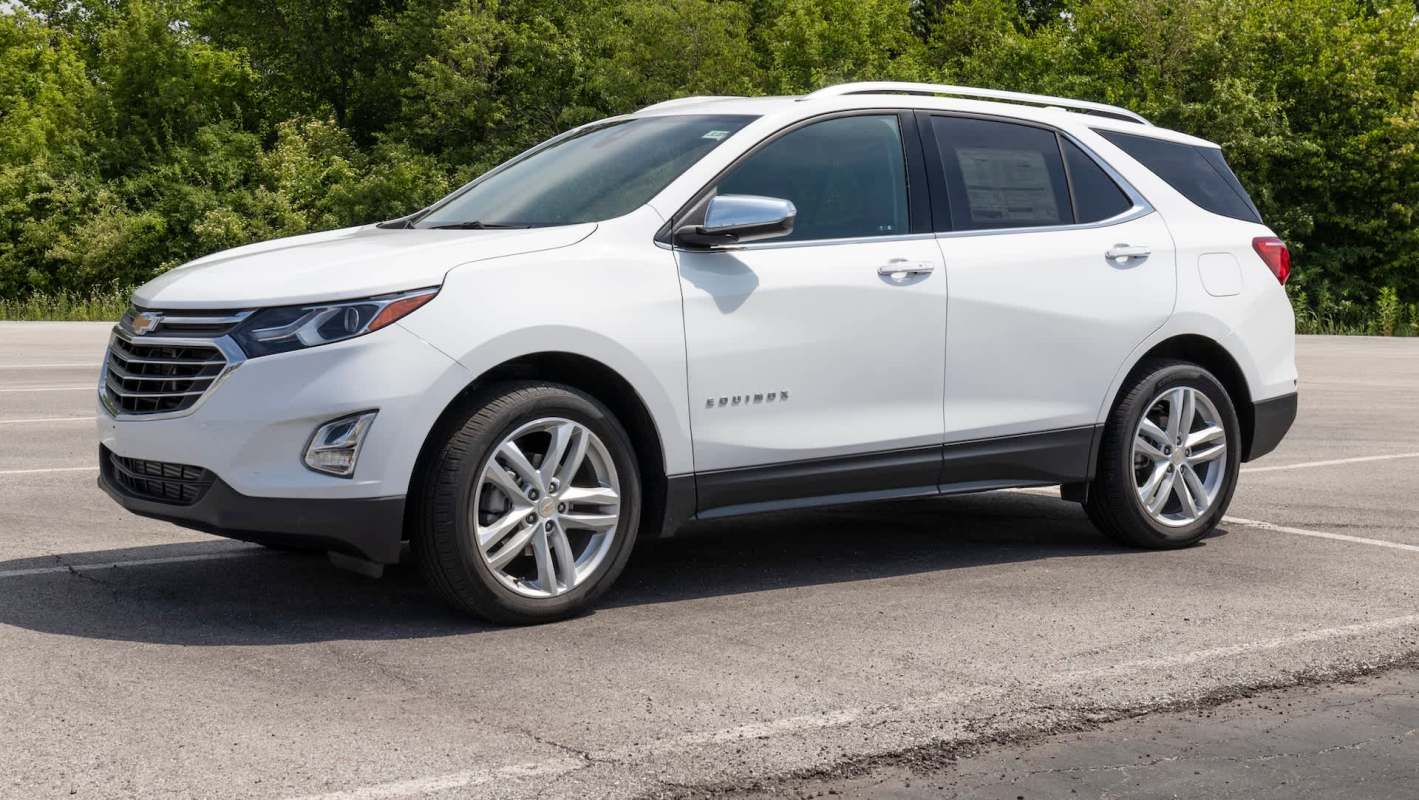
After picking up a used Equinox EV, a Las Vegas owner began second-guessing the purchase as temperatures climbed past 110 degrees Fahrenheit, and the SUV started coming on randomly for cooling. Feedback from other EV drivers, however, ended up easing those fears.
There was already one obvious upside to the switch: "I'm loving charging for free at work lol."
What happened?
The concern surfaced in a Reddit post from the buyer, who wondered whether an EV was the wrong choice for southern Nevada: "Did I make a mistake having an EV in an extreme climate? Am I in for a lot of headaches and degradation because of the heat? Or am I overthinking this?"
Replies largely framed the behavior as normal battery protection. In their view, the car turning on its cooling system in extreme heat is evidence that the thermal management setup is doing its job, not a warning sign.
Drivers from desert cities, including Phoenix, Las Vegas, and Albuquerque, added that they have spent years using EVs in similar conditions without serious trouble. Mainly, it just affects range slightly and can slow down charging speed as the battery has to manage its temperature. As one person put it, "you can't stop at an intersection without seeing one or two EVs."
Some commenters singled out GM, saying the company is known for conservative battery-temperature management. They also argued that the approach became even more cautious after the Bolt recall, which they described as stemming from cell manufacturing defects rather than hot-weather driving.
TCD Picks » Quince Spotlight
💡These best-sellers from Quince deliver affordable, sustainable luxury for all




Why does it matter?
Heat can affect any battery, so the concern is understandable. That said, owners stressed that desert performance varies by model. The main exception they mentioned was older passively air-cooled EVs such as the Nissan Leaf, which they viewed as the vehicles most vulnerable to extreme heat.
Electric already costs less than gas when charging at home, but a driver who can charge for free at work may cut fuel costs even more significantly compared with paying for gasoline, and a battery built to handle summer heat helps preserve that value.
Commenters said summer temperatures may trim range, but typically not as dramatically as winter does. In other words, some efficiency loss is possible without creating the disastrous outcome the buyer was imagining.
What can I do?
Whenever possible, leave the car in a garage or shaded spot, add a windshield reflector, and try not to leave it sitting at a full charge under direct sun for long stretches.
They also suggested moving most charging to nighttime and keeping routine charge levels around 60% to 70% unless more range is necessary. According to commenters, this can ease battery strain during prolonged heat.
Before heading out, owners said, it helps to cool the cabin in advance through the app. Starting the air conditioning early can make the car more comfortable to enter and lessen the need to crank the cooling right away after departure.
Above all, commenters urged the driver not to treat the self-activating cooling as a red flag. In their words, it is "a GOOD sign" that the system is working the way it should.

Get TCD's free newsletters for easy tips, smart advice, and a chance to earn $5,000 toward home upgrades. To see more stories like this one, change your Google preferences here.






