


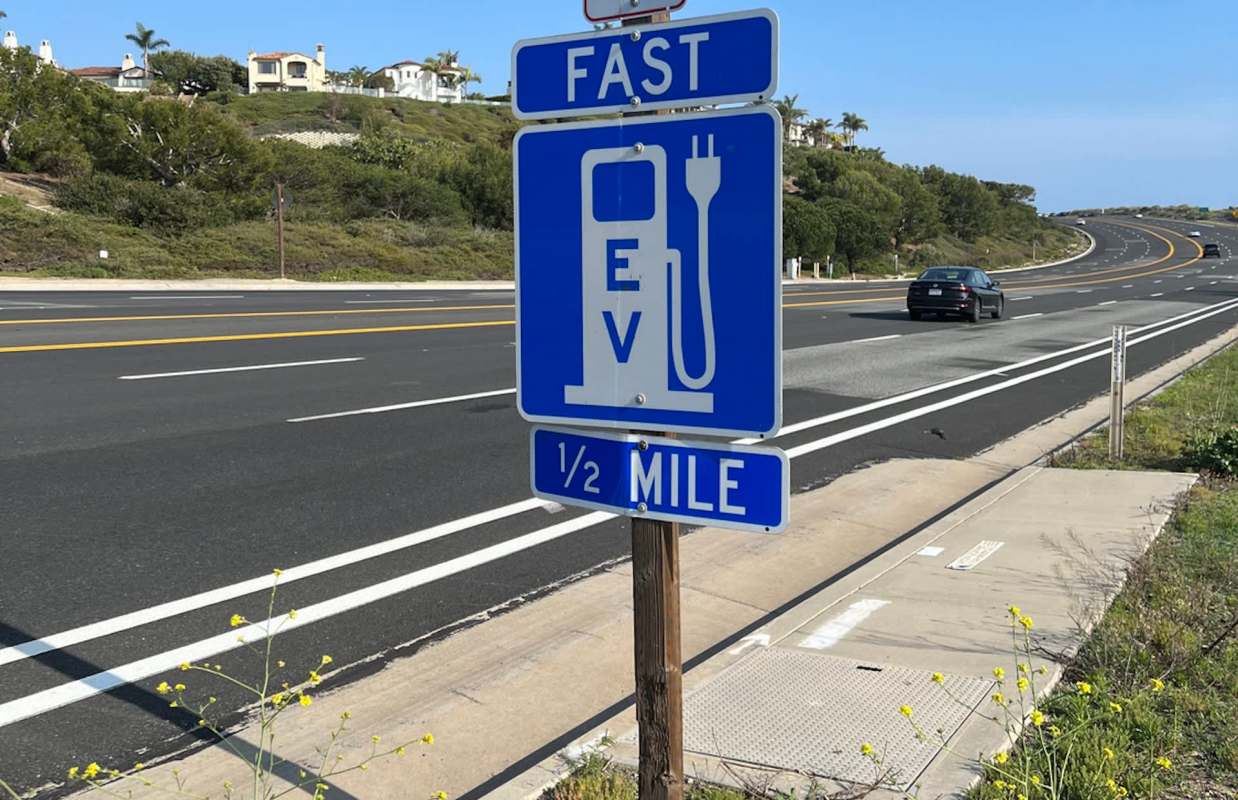
For many EV drivers, the most stressful part of a road trip is not the drive itself but the question of whether the next charger will be available, fast enough, or even working. One recent Chicago-to-Cleveland trip suggests that concern may finally be easing along at least one major corridor in the Midwest.
What happened?
In a post on Reddit, one driver said a weekend trip from Chicago to Cleveland felt far easier than earlier EV road journeys. The driver described a route where each rest stop offered more than one fast-charging choice, instead of relying on a single option and simply hoping it was operational.
"Chargers at every rest stop, with OPTIONS!" the driver wrote. "For one of the first times in my life, I could choose between two DCFC rates off one exit, and this was the case at every rest stop."
"Most stress-free road trip experience I've had yet with my EV," the post continued, adding, "Hope more roads start to feel like this soon."
Why does it matter?
Having options brings real benefits for consumers. When drivers can compare more than one fast-charging option at a stop, they have a better chance of finding a lower price, a shorter wait, or a working charger.
Some users pointed to problem regions such as northern New England, while others said chargers on the New Jersey Turnpike had become more expensive and less dependable, with one commenter saying rates had been "raised from $0.35 to $0.55/kWh."
TCD Picks » Quince Spotlight
💡These best-sellers from Quince deliver affordable, sustainable luxury for all




The post showed what EV travel can look like as charging infrastructure matures: less stress, more convenience, and potentially lower charging costs when competition exists.
What's being done?
In the comments, drivers pointed to several other routes with strong charging coverage, including Atlanta to Huntsville — where one person said "rural Alabama" was "surprisingly well-covered" — as well as Indianapolis to Milwaukee and a New York City-to-Des Moines trip through Indiana and Ohio.
That kind of consistency makes EV ownership more practical for everyday drivers, not just early adopters willing to carefully plan around charging gaps. Improved charging access at rest stops can help turn an EV from a vehicle used mainly for commuting into one that is fully capable of handling longer road trips.
Trip-planning apps and route filters can help identify corridors with overlapping charging networks, which may offer more flexibility and better pricing. Public posts about routes that remain charging deserts can also point to the biggest gaps.
After years of range anxiety dominating the conversation around EV road trips, the experience on some routes is starting to improve — exactly "what we need more of," as one commenter put it.

Get TCD's free newsletters for easy tips, smart advice, and a chance to earn $5,000 toward home upgrades. To see more stories like this one, change your Google preferences here.






