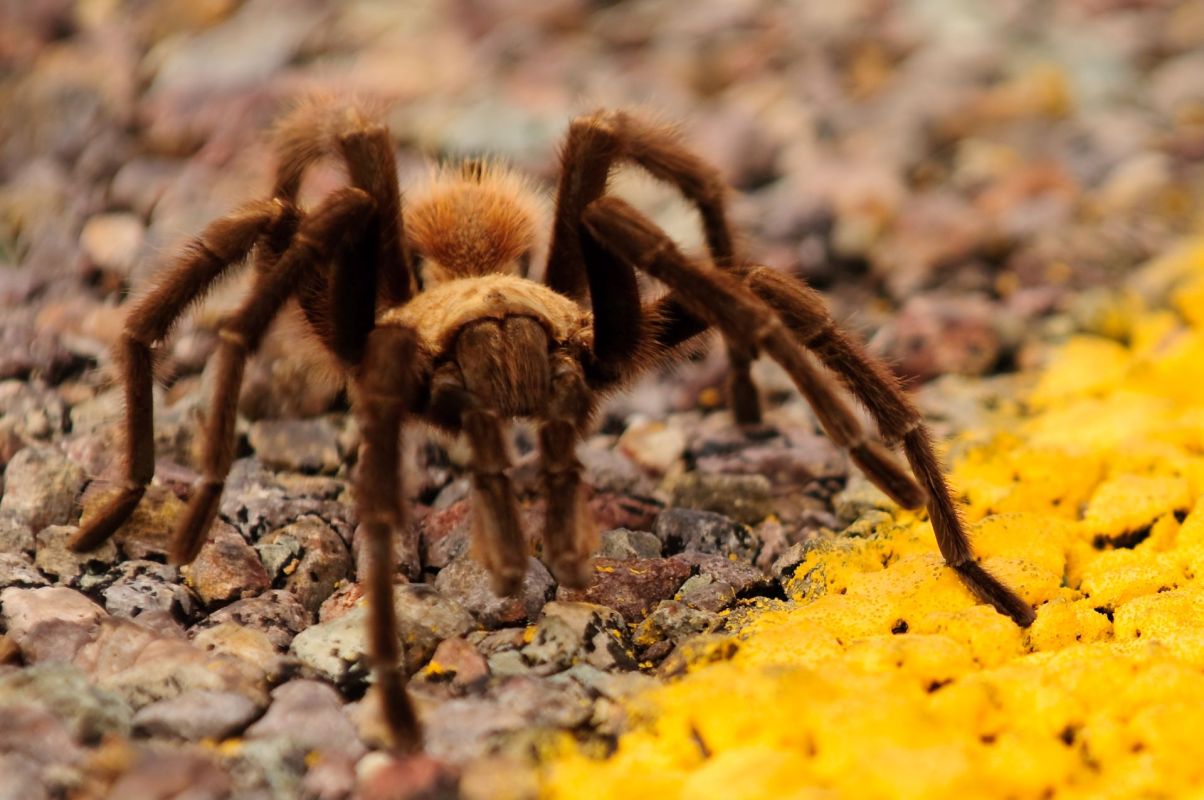
In Colorado, autumn is when male brown tarantulas leave their burrows to look for females. The season is perilous, and for some spiders, it ends with the female eating them.
As NPR reported, the 2025 mating period ran from mid-September to mid-October, when adult males emerged from their burrows and roamed in search of females.
Researchers say it is less a migration than a seasonal mating trek.
Maturity also changes how the males look.
"They get to this nice, reflective color on their exoskeleton. They'll look a lot prettier," said Chandler Peters, an entomology keeper at the Arizona-Sonora Desert Museum.
While the males roam, females can remain in their burrows for decades. Before getting too close, males signal from outside with taps and vibrations so they are identified as potential mates rather than intruders.
TCD Picks » Quince Spotlight
💡These best-sellers from Quince deliver affordable, sustainable luxury for all




That still does not make the encounter safe. After mating, the male needs to leave quickly because an agitated or hungry female may eat him.
On their search, the males also face predators, exhaustion, and cars when they cross roads.
Tarantulas are usually not dangerous to people, and they can help by eating pests such as cockroaches.
Scientists are paying attention to how these spiders respond to changing environmental conditions. Dallas Haselhuhn, who studied Colorado brown tarantulas, said the species may be relatively resilient because "they're used to such swings in temperature."
Even so, researchers still do not know some surprisingly basic details. NPR reported that questions remain about what sends the males out of their burrows and how far they go.
Researchers are working to fill in those gaps by tracking tarantulas in the field. Cara Shillington has tagged several tarantulas to collect data, and Haselhuhn has also used radio transmitters in his research.
Haselhuhn said, "We quickly found that it was pretty hard to track them down because they would be half-eaten inside the female's burrow."
Peters noted that their hairs help them sense the world around them and defend themselves, while Shillington said there is still much to learn about these solitary predators.
"It's just so amazing that everybody knows what tarantulas are," Shillington said. "They're these big top predators within their environment, and yet, some basic questions, we still don't know."

Get TCD's free newsletters for easy tips, smart advice, and a chance to earn $5,000 toward home upgrades. To see more stories like this one, change your Google preferences here.