


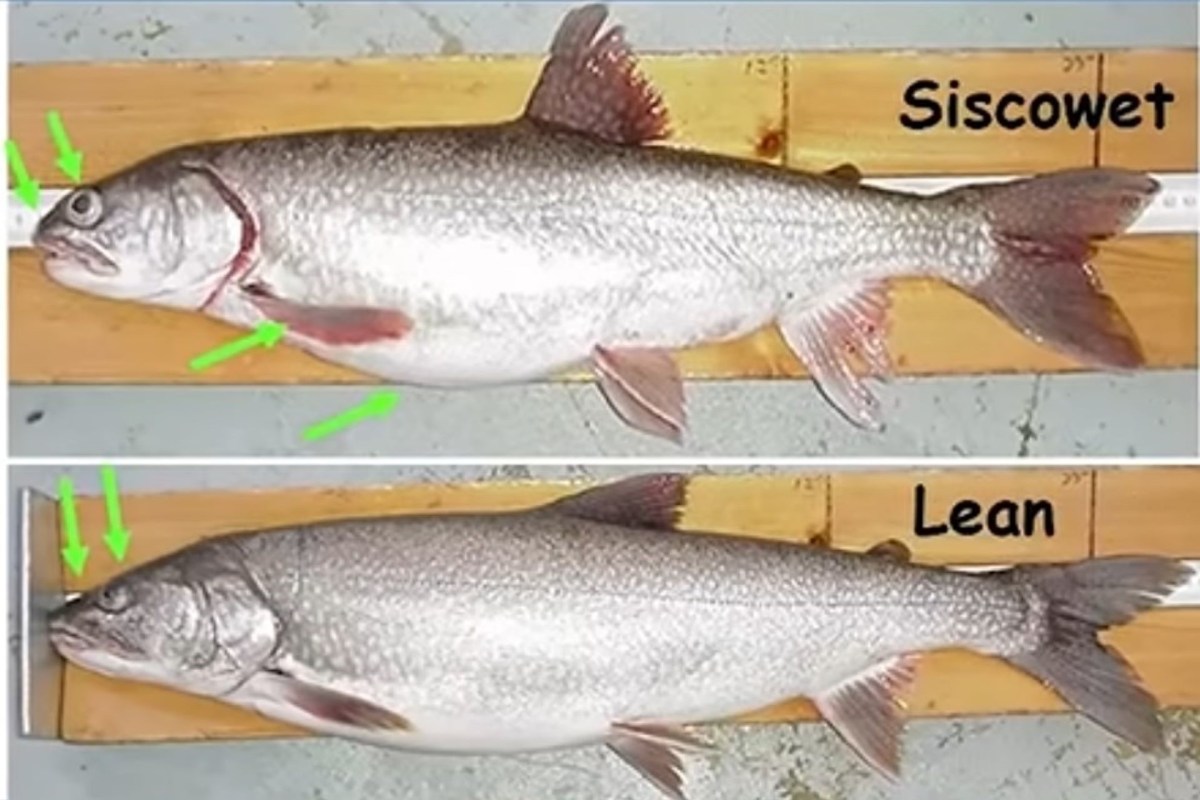
An increasing number of unusually thin lake trout in Lake Superior's deepest waters has prompted an ecological investigation into a marine animal species nicknamed "zombie fish."
WLUC reported that state biologists and fish pathologists will head out to study what is happening far below the lake's surface.
What happened?
The Michigan Department of Natural Resources and fish pathologists from Michigan State University are planning a June expedition near Superior Maximus, Lake Superior's deepest point. They will examine siscowet lake trout that live in waters about 600 to 1,320 feet deep and try to determine why so many appear severely emaciated.
The DNR said these trout made up about 3% of the catch in 2015 during deepwater surveys, compared with about 20% in 2024 and 2025. In the agency's press release, the fish are described as "zombies" because of their "thin and undernourished bodies."
WLUC reported that one goal of the expedition is to determine whether a fish pathogen is behind the condition.
Why does it matter?
The lake supports recreation, local economies, and communities across the Great Lakes region.
TCD Picks » Quince Spotlight
💡These best-sellers from Quince deliver affordable, sustainable luxury for all




When researchers notice a significant change in a deepwater creature such as lake trout, it can signal that broader shifts may be underway in the food web, far from public view.
If the fish are struggling because food is becoming harder to find in deep water, scientists can use that information to better understand how Lake Superior's ecosystem may be changing.
That kind of monitoring can help fisheries managers make decisions based on stronger data, protect the lake's health, and provide clearer answers for anglers and nearby residents.
Luckily, in its press release, the agency also said there is no cause for alarm, as unlike zombies in movies, these fish aren't thought to have a contagious disease.

Get TCD's free newsletters for easy tips, smart advice, and a chance to earn $5,000 toward home upgrades. To see more stories like this one, change your Google preferences here.






