


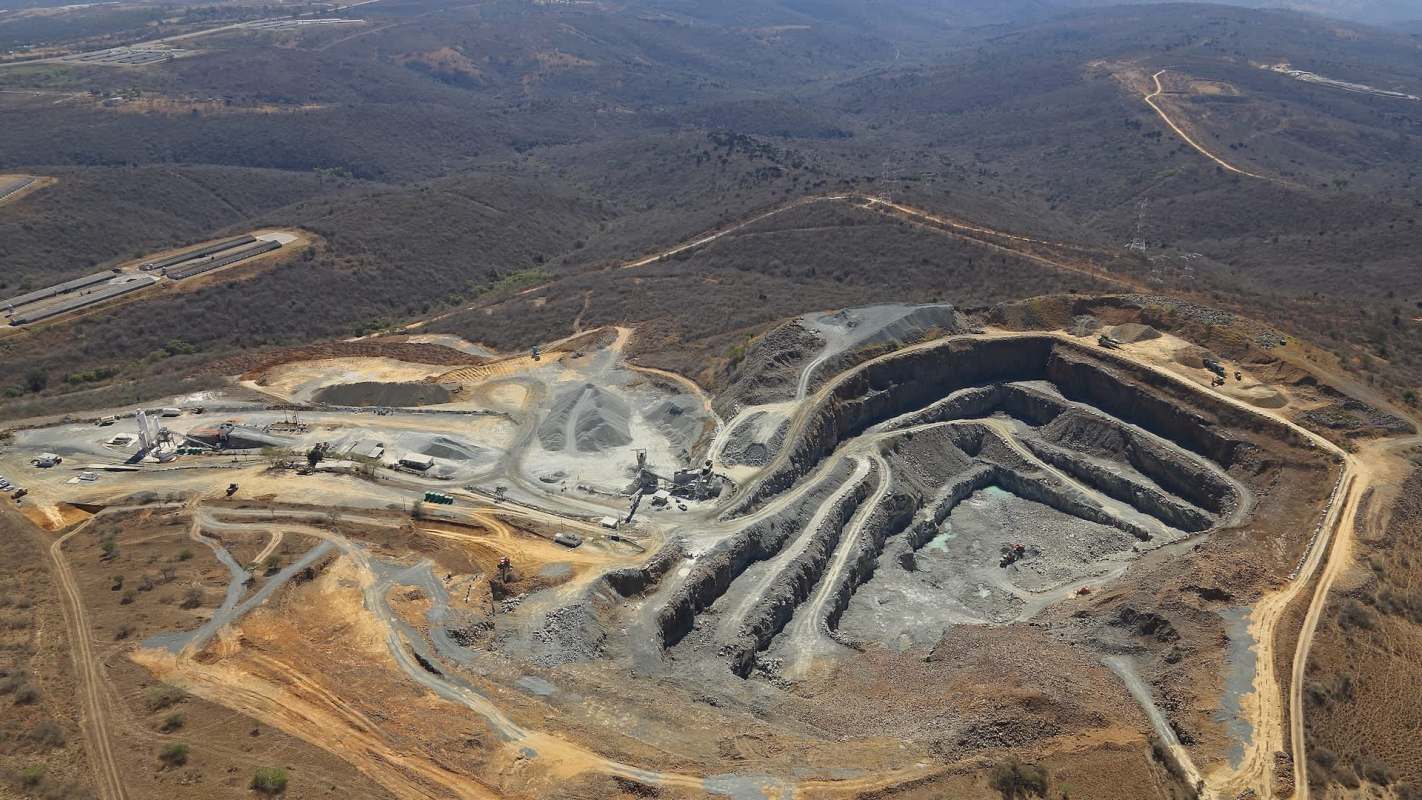
South Africa's shift away from coal is bringing an expensive and hazardous problem into sharper focus: hundreds of shuttered mines lack sufficient funds to repair polluted land and waterways.
Mongabay said all 412 coal mines closed between 2006 and 2023 fell short on cleanup funding, a gap that could leave nearby communities exposed to harm for decades.
What happened?
At the center of the findings is "No More Ghost Towns: Lessons From Mpumalanga's Mine Closure Crisis," a report from the Centre for Environmental Rights examining South Africa's coal belt, where mines and power plants have shaped the regional economy for years.
According to Mongabay, while South African law has said mining companies must set aside money for rehabilitation after operations end, the report described weak enforcement, years of missing government records, and a framework that allows firms to leave behind waste and polluted water, with taxpayers potentially stuck with the bill.
CER mining program head Tarisai Mugunyani said the problem begins long before mines close, with companies failing to restore land during operations.
"The cumulative impact is that we are constantly seeing communities that do not have any benefits from mining," Mugunyani said, per Mongabay. "They're just living in environmentally degraded spaces where they bear the brunt of whatever the mining companies have done."
TCD Picks » Quince Spotlight
💡These best-sellers from Quince deliver affordable, sustainable luxury for all




Why does it matter?
The damage from coal mining can persist well after extraction stops.
Mariette Liefferink of the Federation for a Sustainable Environment told Mongabay: "Coal mines are considered to be among the most polluting of mines. Coal co-occurs with iron pyrite, so it generates acid mine drainage that will continue for many years after closure."
That pollution can threaten drinking water, farmland, and public health in nearby towns.
The harms tied to coal, gas, and oil extraction and burning also extend far beyond mine sites.
They can worsen extreme weather disasters that destroy homes, livelihoods, and local economies; drive air and water pollution linked to asthma, heart disease, cancer, and premature death; and keep household energy costs high even as corporate profits soar.
Industry lobbying can also slow the shift to cleaner, cheaper energy, which would better protect families and communities.
As coal employment fades in Mpumalanga, the region is also confronting the fallout from mines left behind.
The report said closures should proceed only with credible cleanup plans, stronger oversight, and support for workers and towns affected by the energy transition.
What are people saying?
Speaking about an abandoned site near Ermelo, Khuthala Environmental Care Group spokesperson Zethu Hlatshwayo told Mongabay: "It was left unfenced. They didn't even put up a sign to say that the shafts were still open. Rainfall has filled the shafts over the years and has now formed a toxic [pool] on the surface."
He also said, "It is a criminal act to abandon a mine, but we have not seen any mining company owners being arrested, charged, or fined for degrading the land."
Liefferink put it even more bluntly: "The abandoned mines still have owners. They are not ownerless, they are simply abandoned."

Get TCD's free newsletters for easy tips, smart advice, and a chance to earn $5,000 toward home upgrades. To see more stories like this one, change your Google preferences here.






