


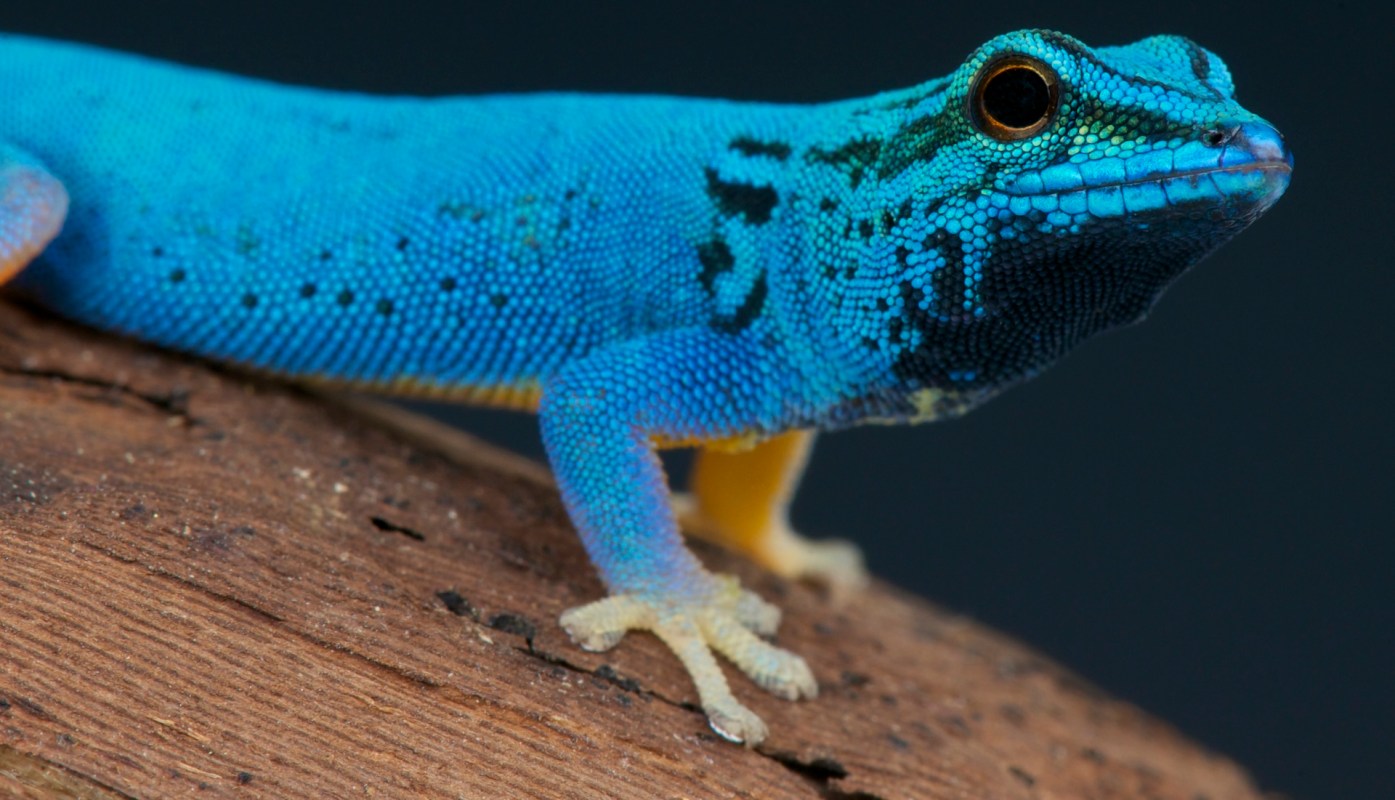
Years of demand from exotic pet collectors nearly drove the electric blue gecko out of the wild, with the reptile's striking color making it especially coveted.
But, as Mongabay reported, the species is now beginning to recover in Tanzania after trade restrictions and years of on-the-ground conservation work.
What happened?
Also called the turquoise dwarf gecko, the electric blue gecko lives only in two small forest reserves in Tanzania.
Collectors were especially drawn to the vivid blue adult males, and an estimated 40,000 geckos were captured and exported for the exotic pet trade between 2004 and 2009.
Herpetologist Dennis Rödder recalled how quickly the species spread through Europe's pet market.
"I think within three or four years, the species appeared everywhere across Europe. You could buy them in every pet shop," he told Mongabay.
TCD Picks » Quince Spotlight
💡These best-sellers from Quince deliver affordable, sustainable luxury for all




Poaching harmed more than the geckos themselves. The animals depend on screwpine trees, and poachers often cut those trees down to make the reptiles easier to catch, destroying their only habitat.
Researchers estimated the wild population at about 150,000 by 2009. The species was later listed as critically endangered by the IUCN, and Mongabay reported that it was placed on CITES Appendix I in 2017, which banned international trade.
Why does it matter?
Because the gecko exists in such a tiny range, trafficking and habitat loss pushed it especially close to extinction.
Even after the pet trade threat declined, other dangers remained, including illegal logging, firewood collection, fires, and invasive Spanish cedar, which displaces the screwpines the geckos need.
Mongabay reported that forest ecologist Charles Kilawe and people from villages near Kimboza Forest Reserve have removed nearly 100,000 invasive cedar trees since 2016, lowered forest fires by about 80%, and planted around 5,000 native trees each year since 2018.
Local "ambassadors" are paid to do conservation work, and tourism offers another source of income connected to protecting the forest.
The restoration is also improving the wider habitat, helping support animals such as blue monkeys and native birds.
What are people saying?
Kilawe said screwpines are central to the gecko's survival, explaining, "It's the perfect environment for them."
He said the situation was much worse when he first arrived: "When I started to work there in 2016, it was difficult to spot them."
Rödder said the rebound is obvious: "Population sizes are back to pre-collecting events. So that's the good part."
Kilawe said the progress highlights the importance of local involvement, adding, "It is very important and effective to work with the community in conservation."

Get TCD's free newsletters for easy tips, smart advice, and a chance to earn $5,000 toward home upgrades. To see more stories like this one, change your Google preferences here.







